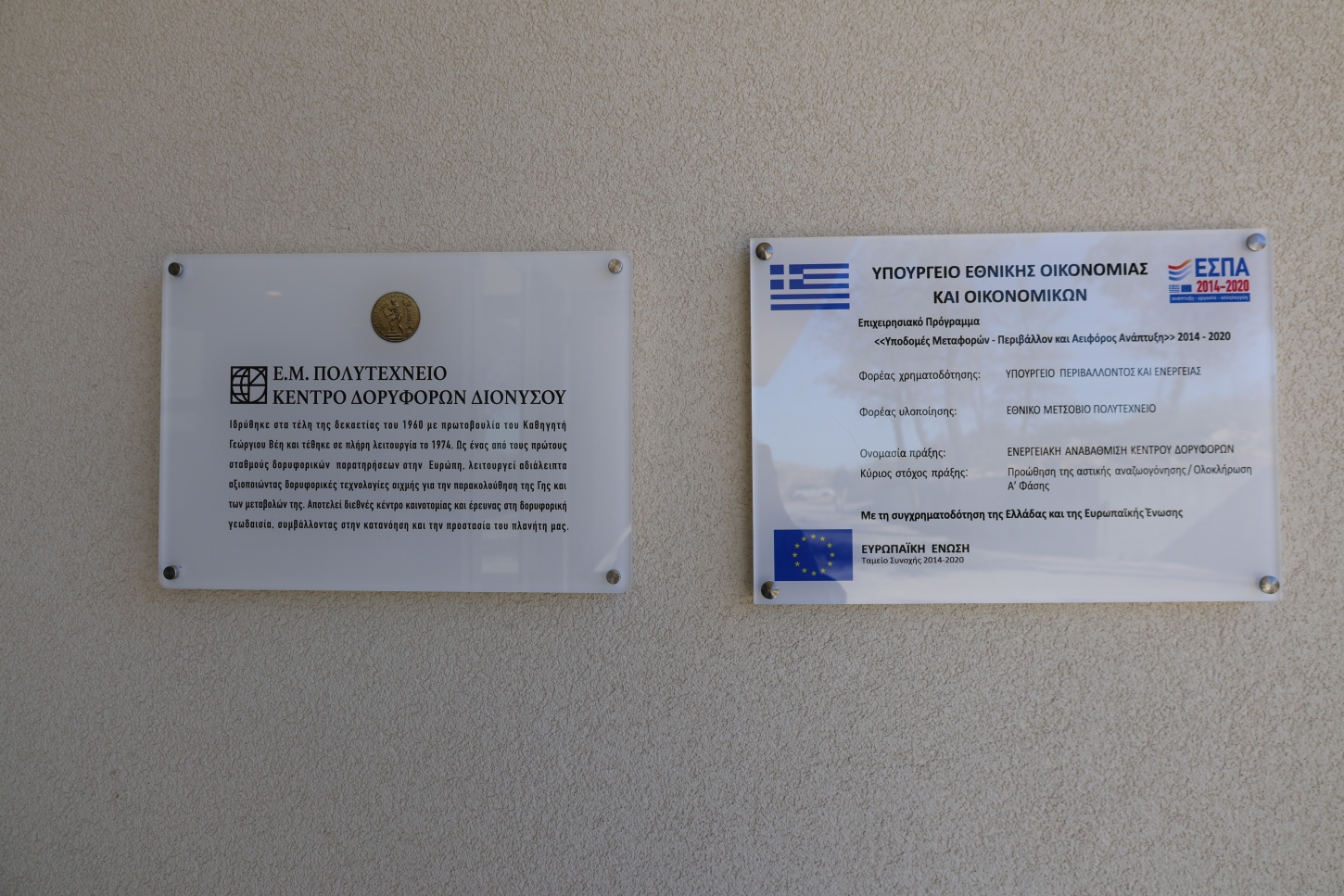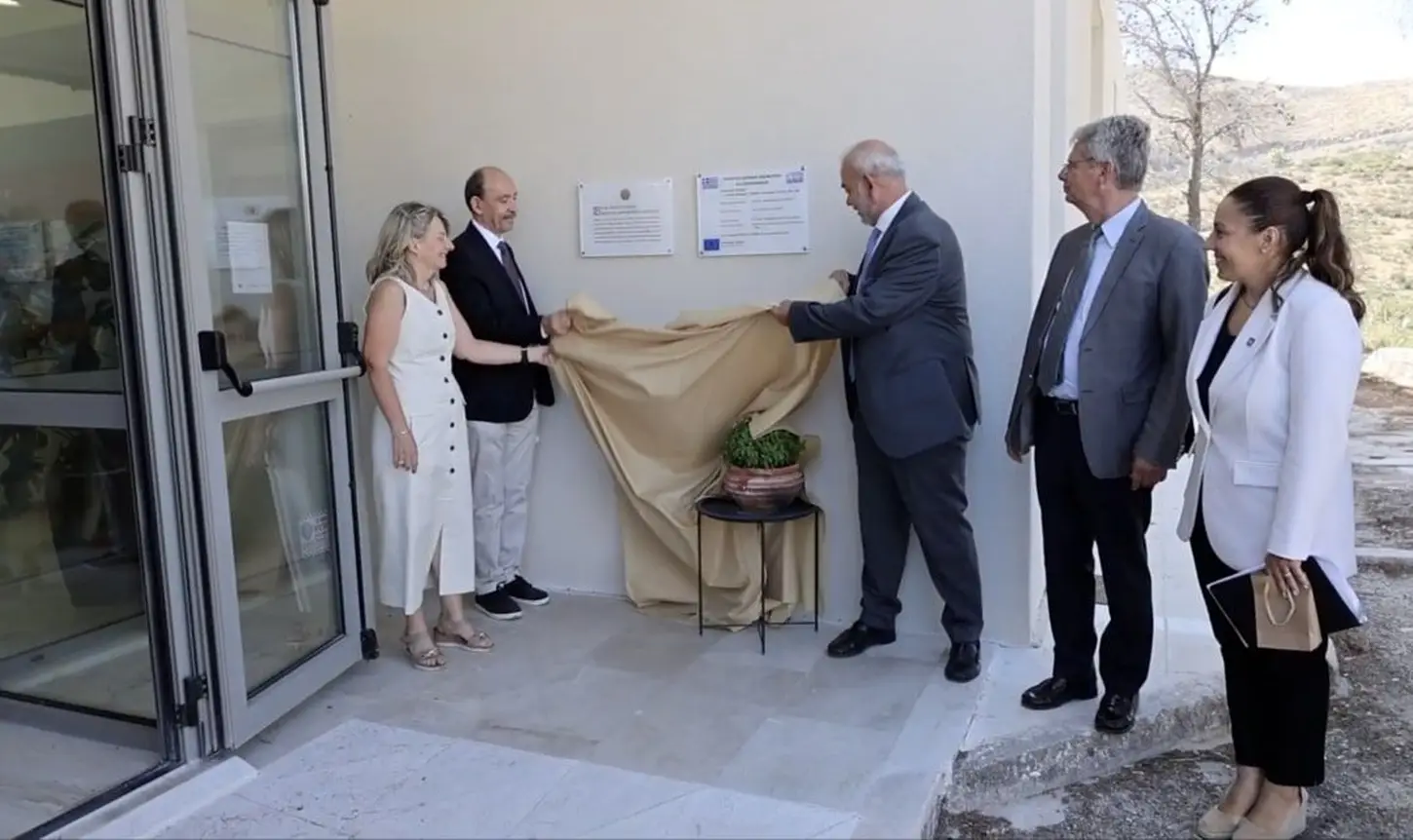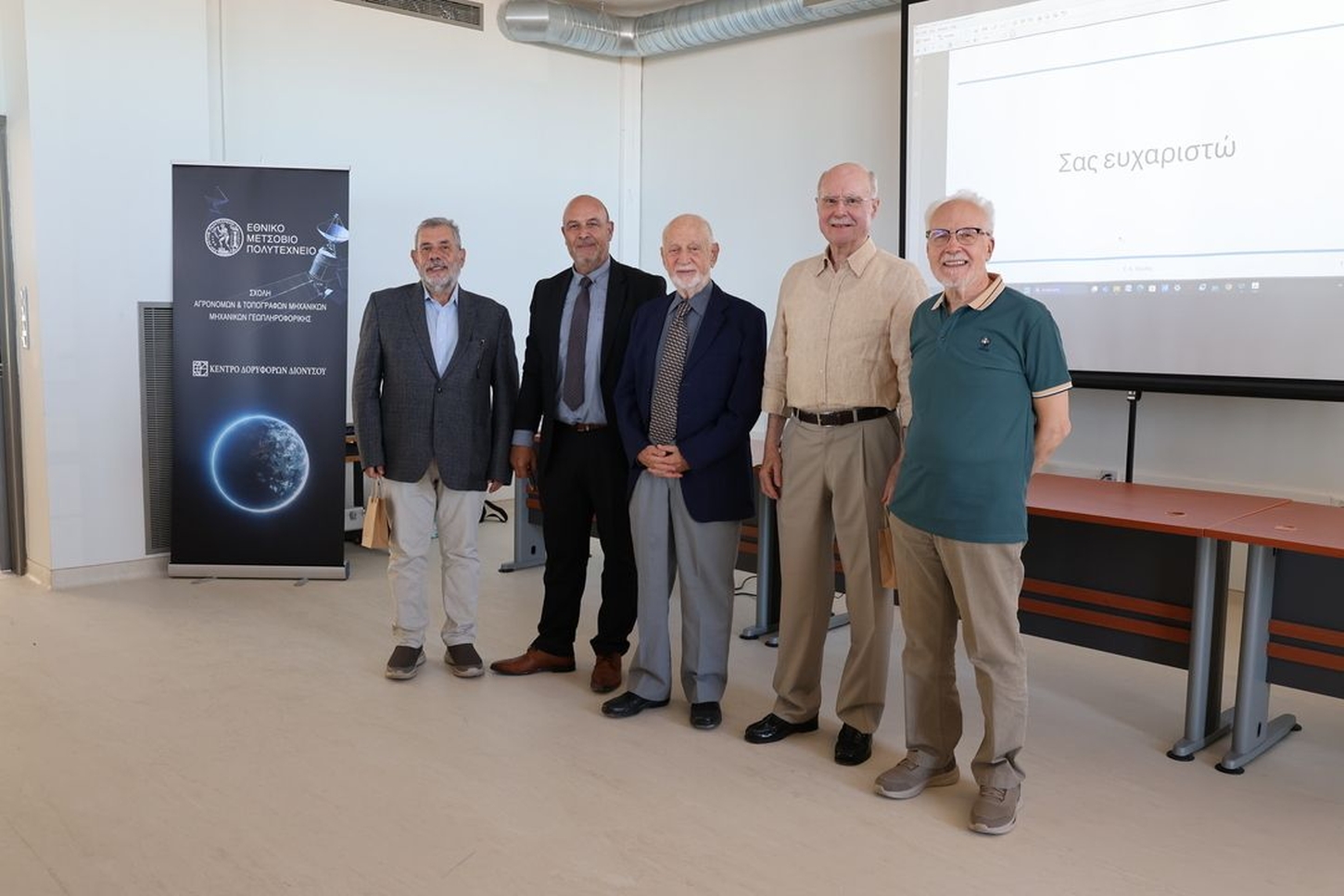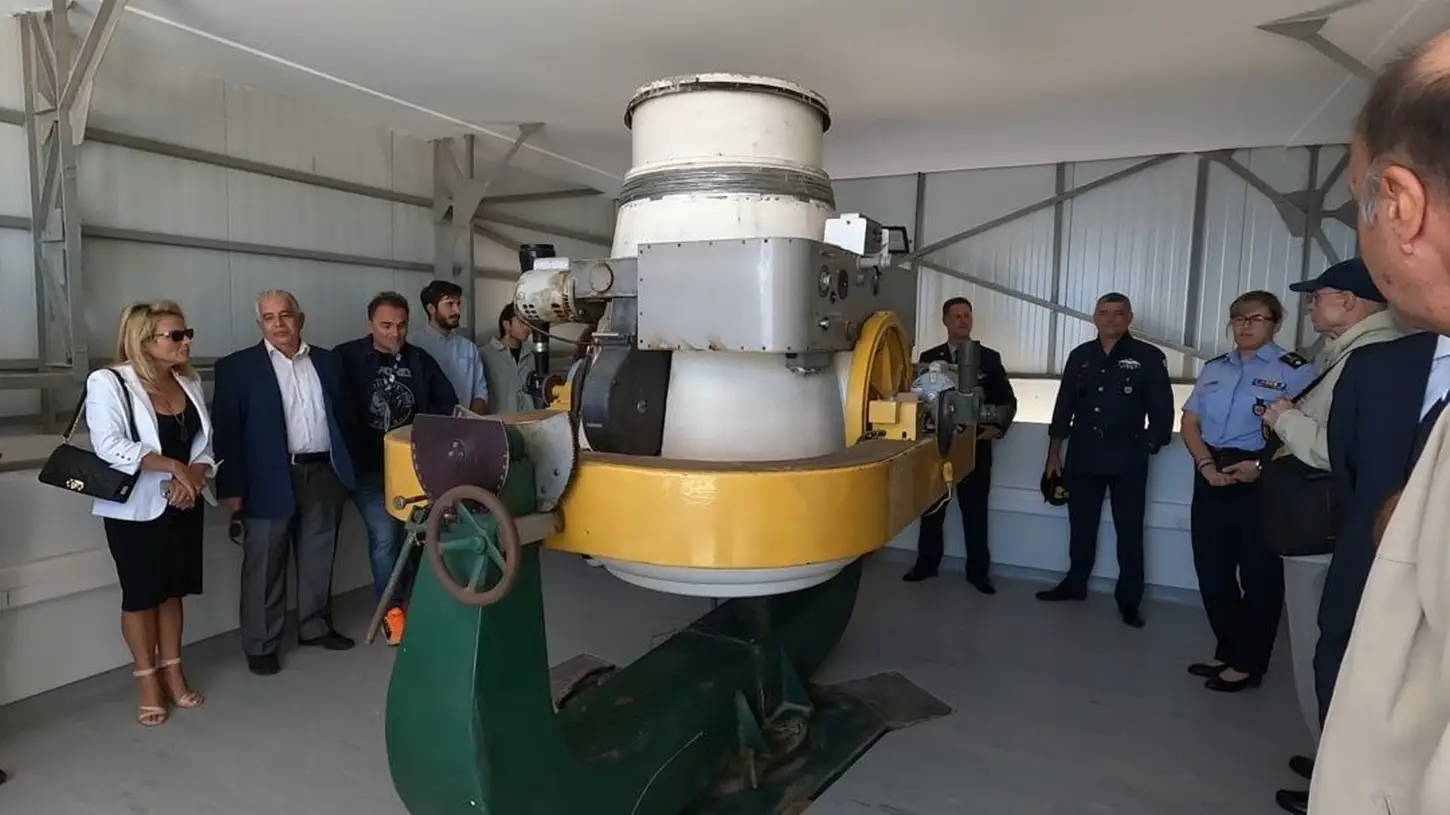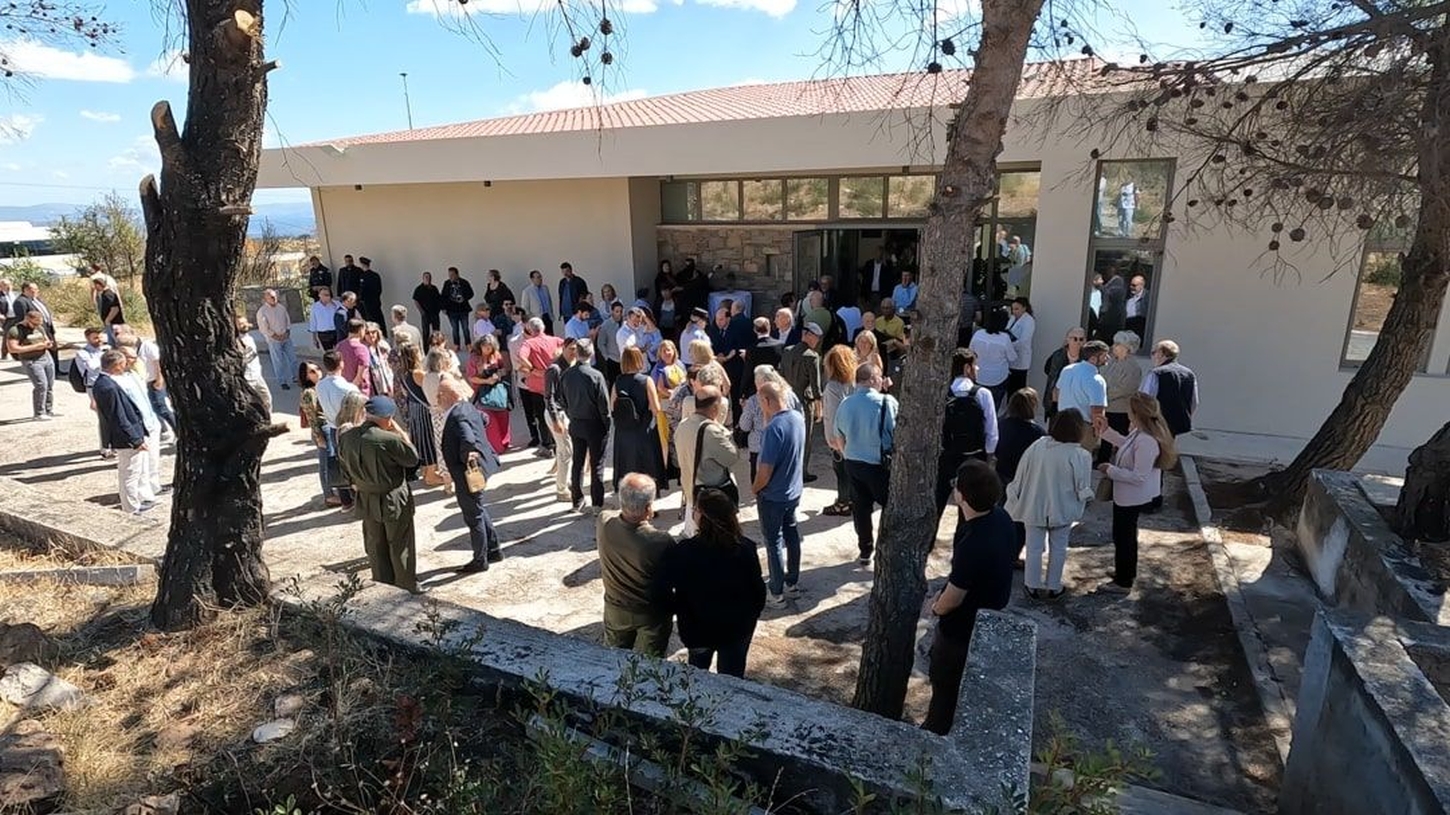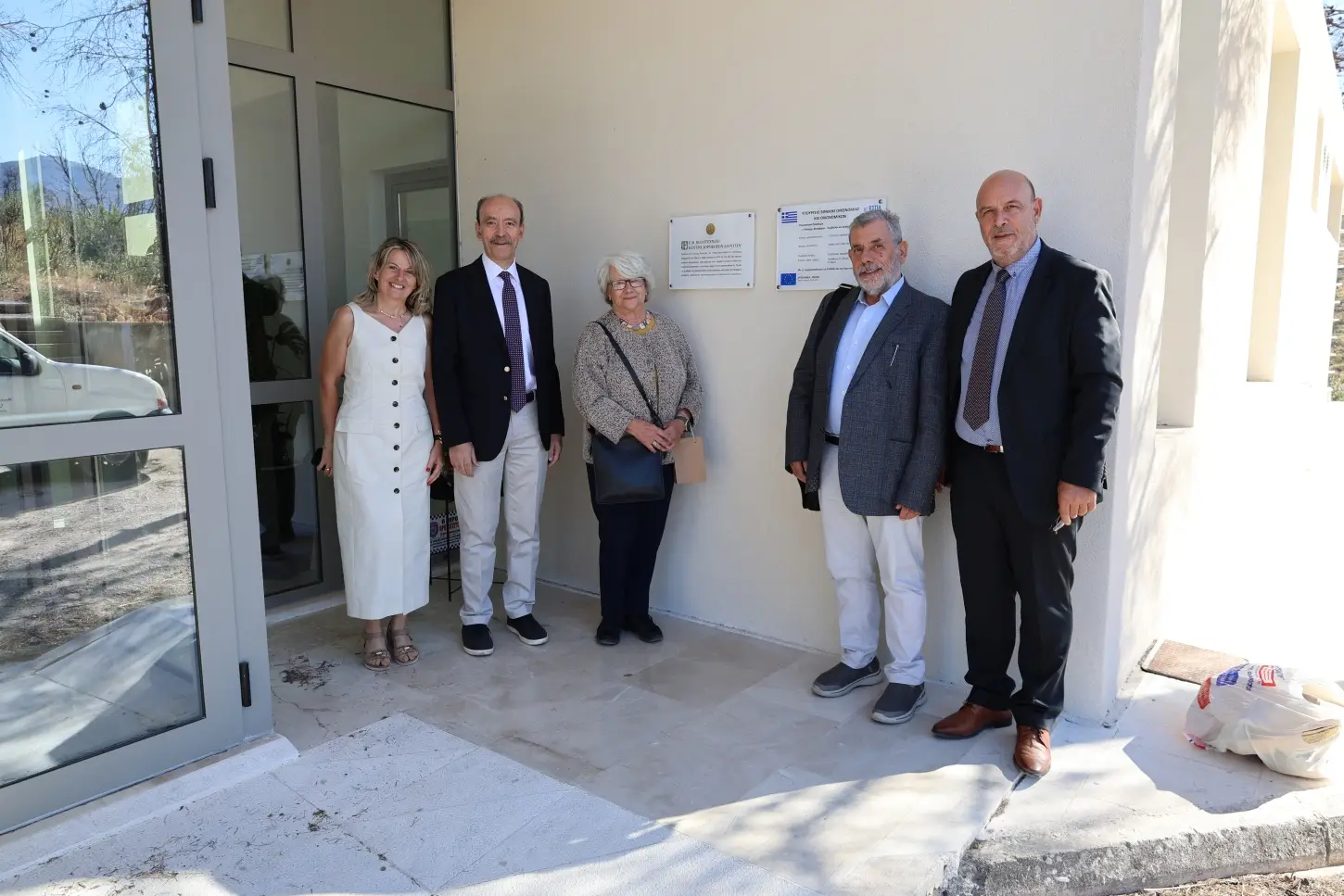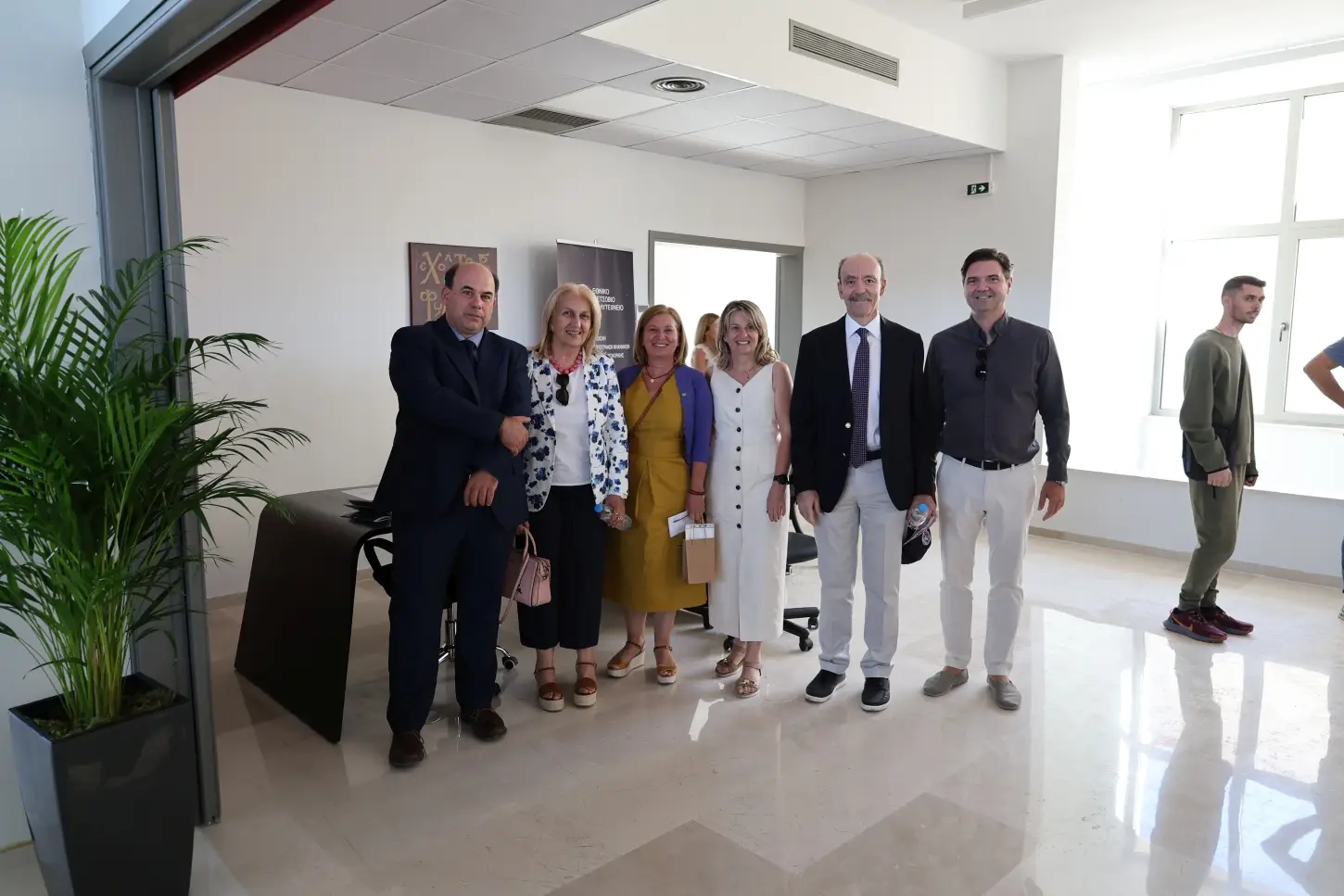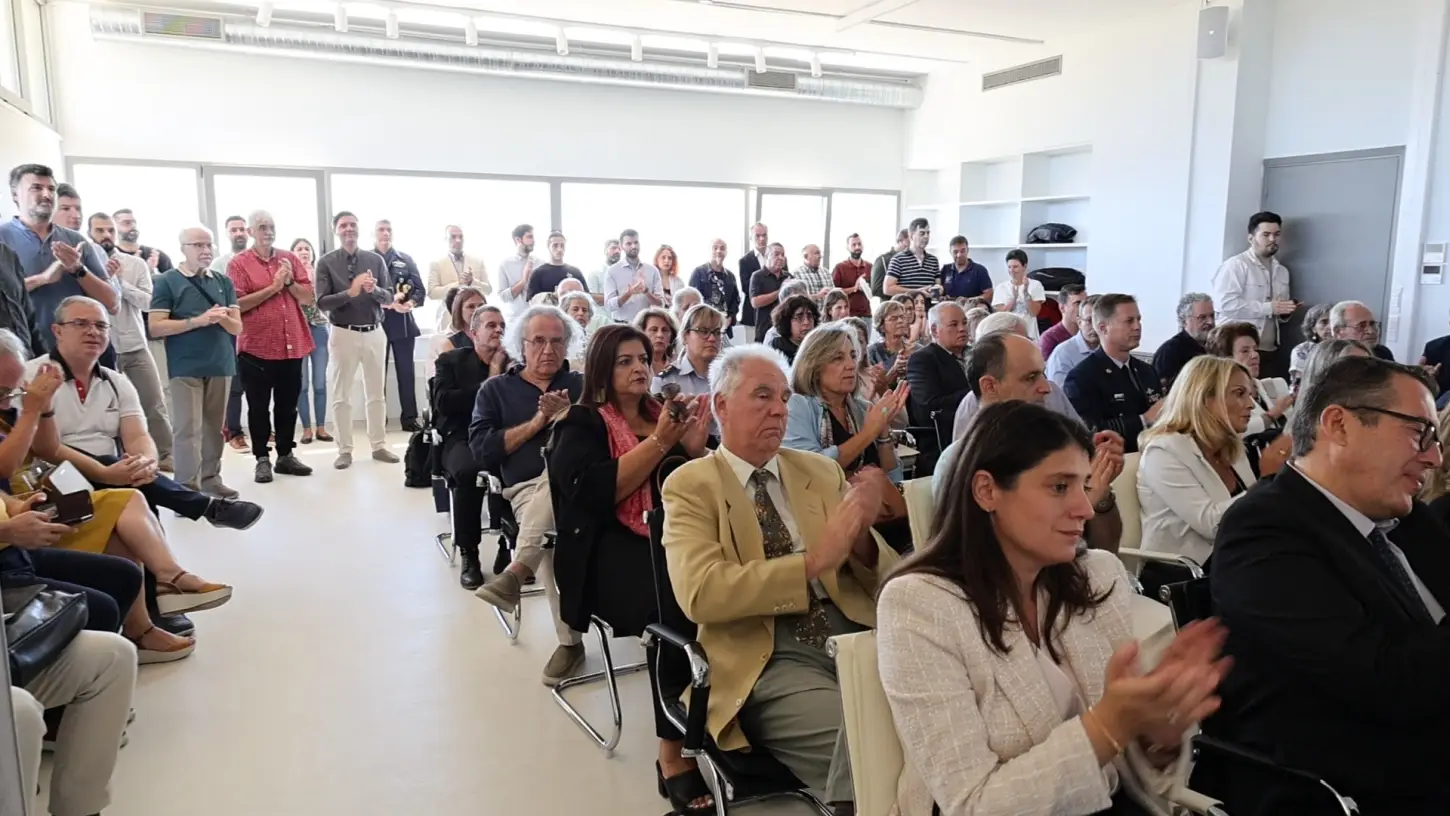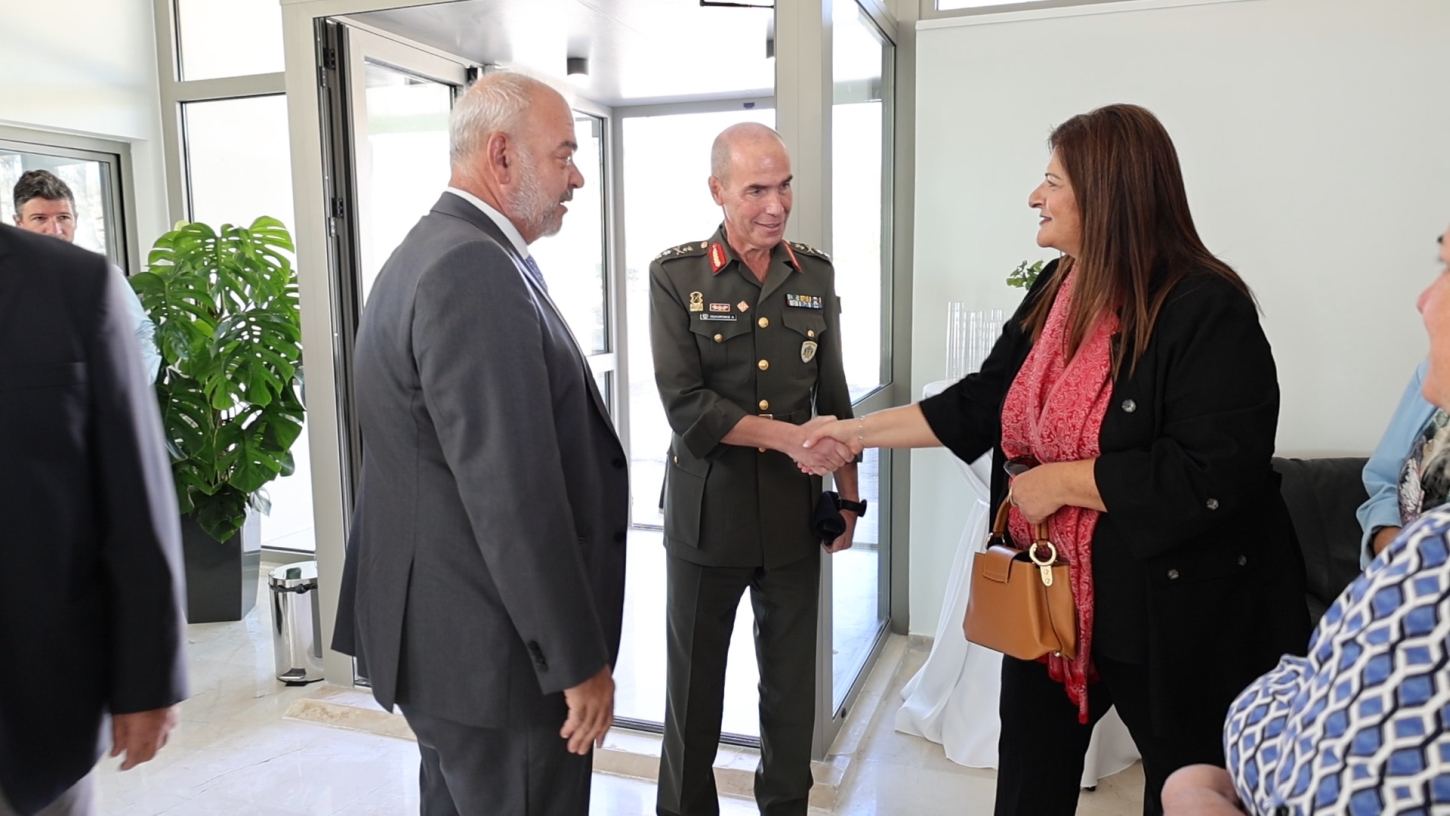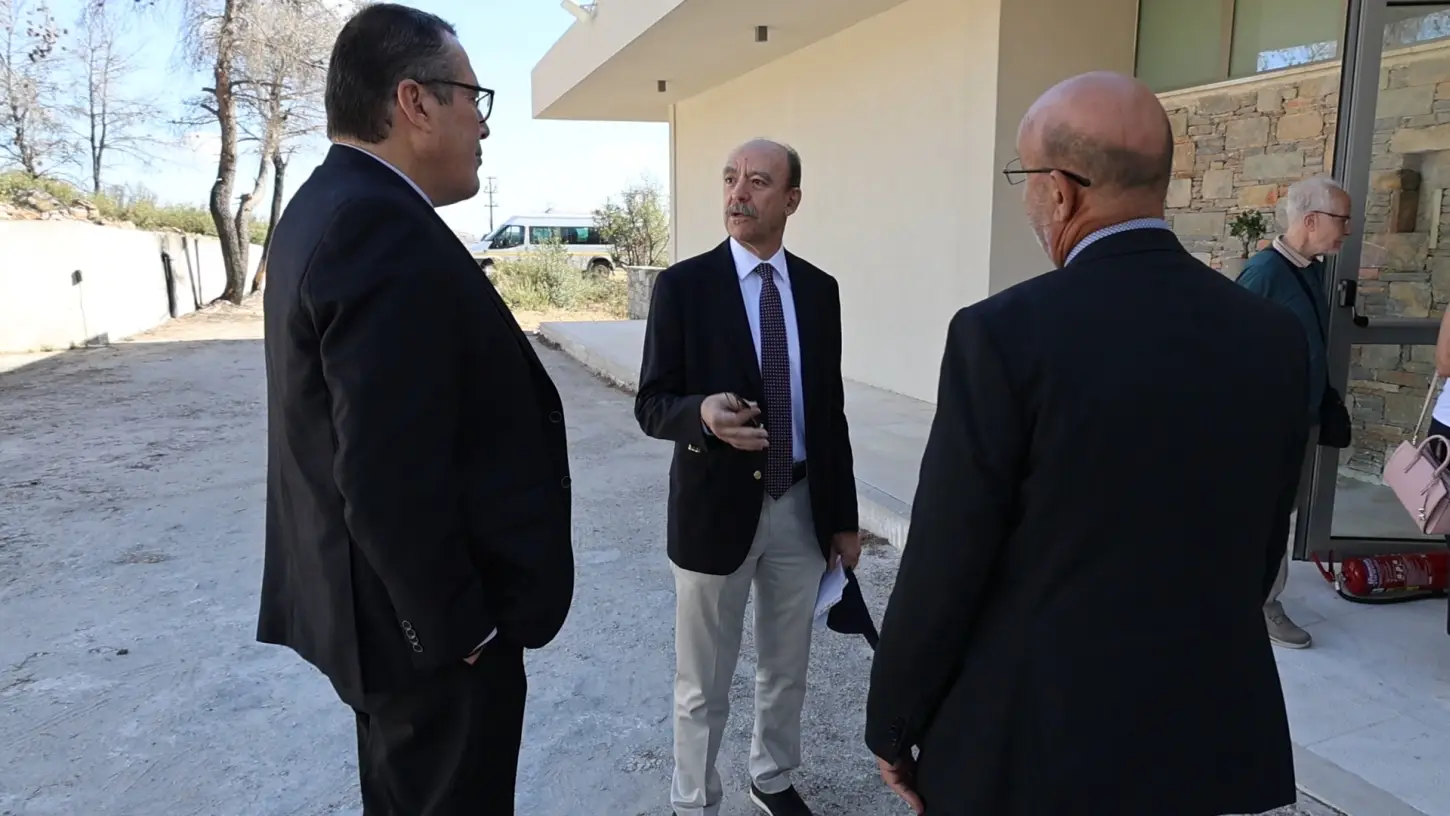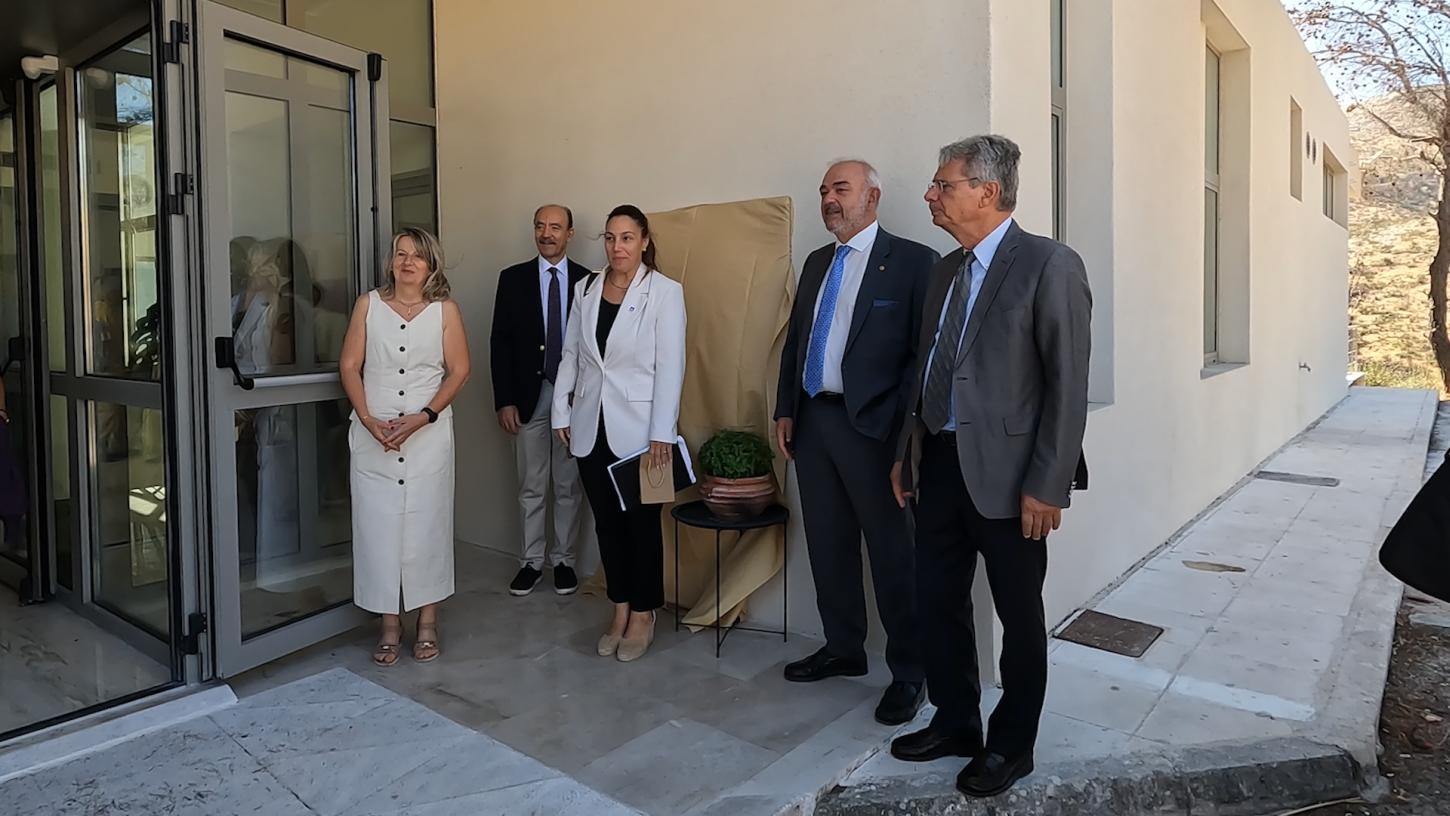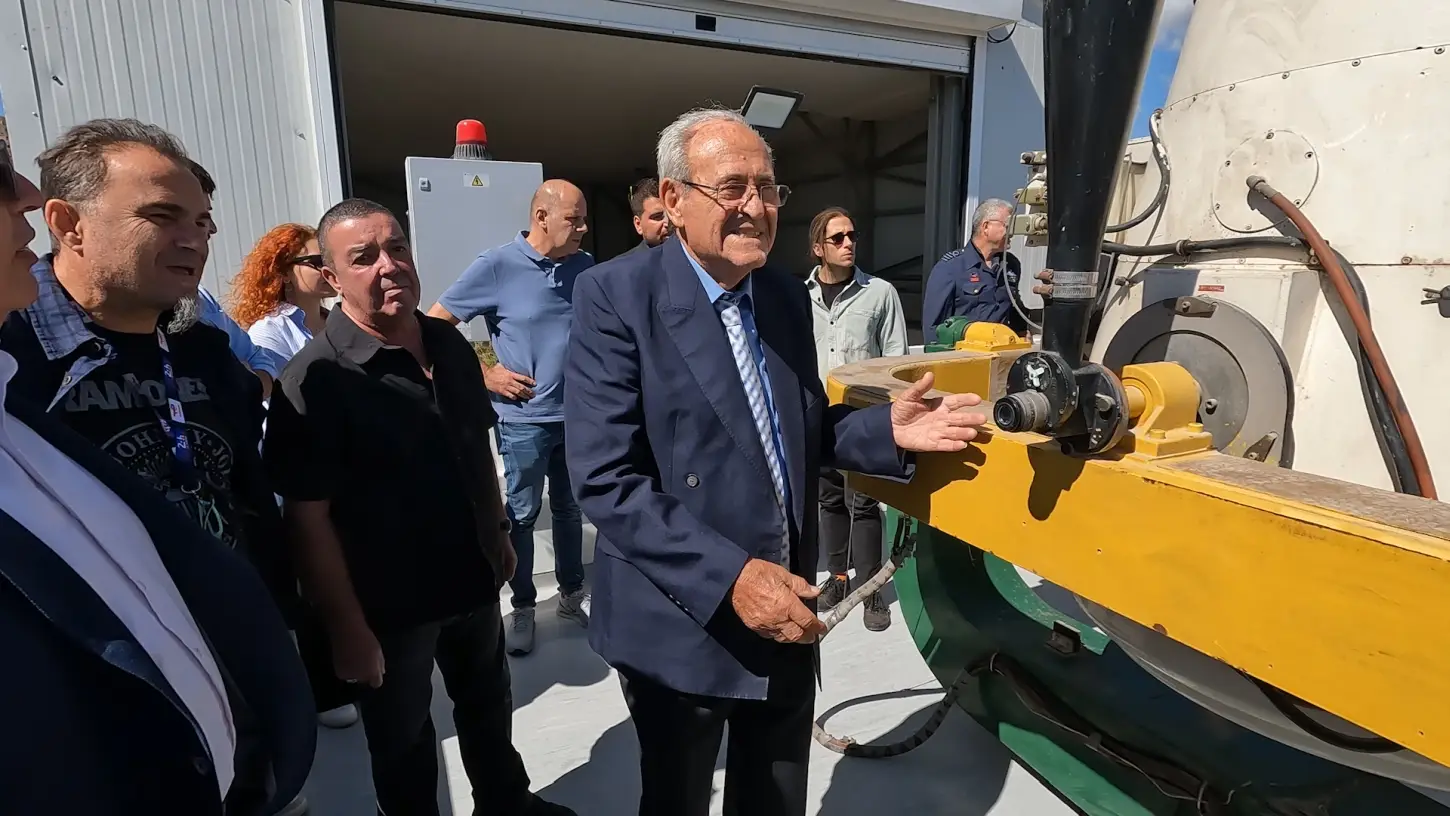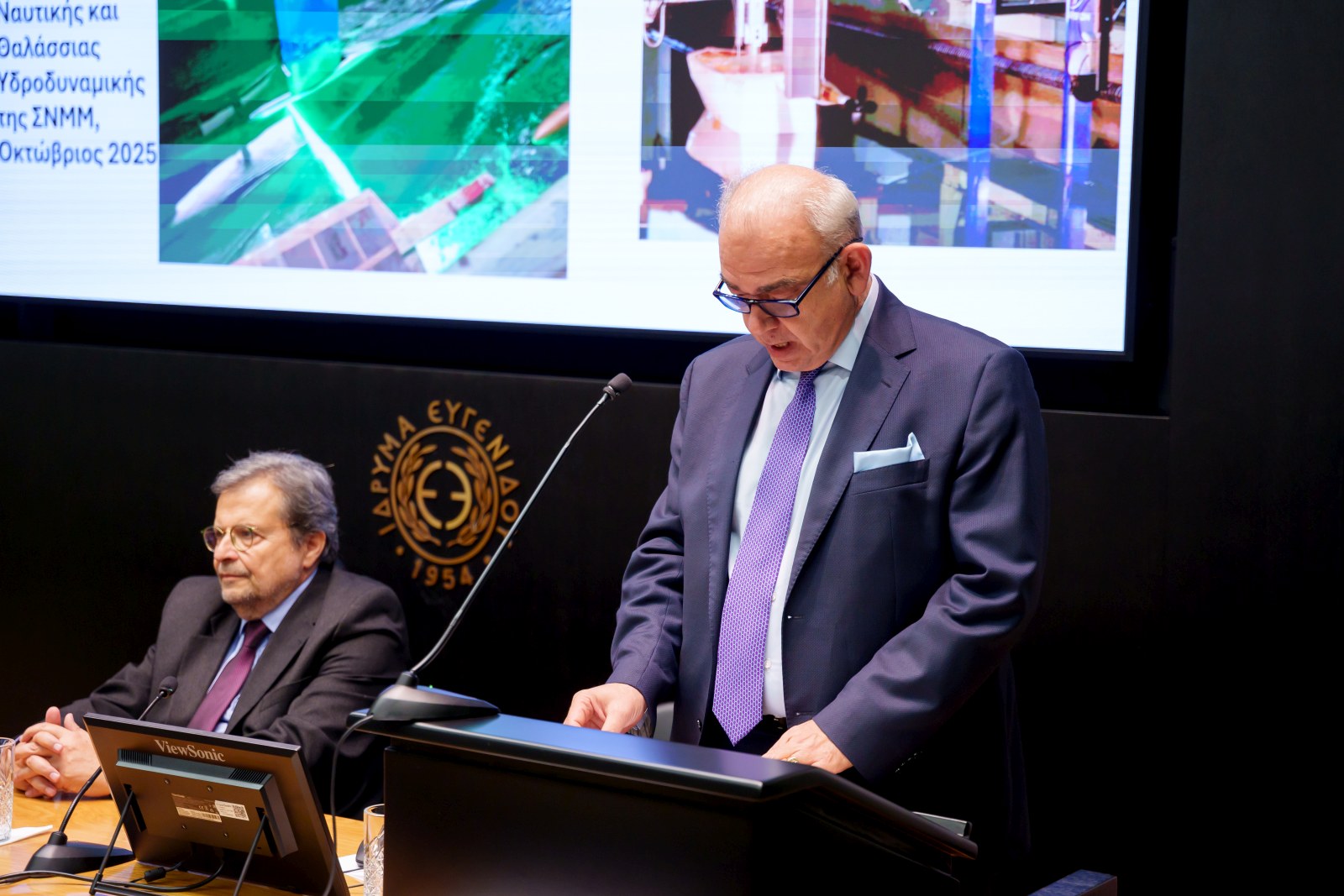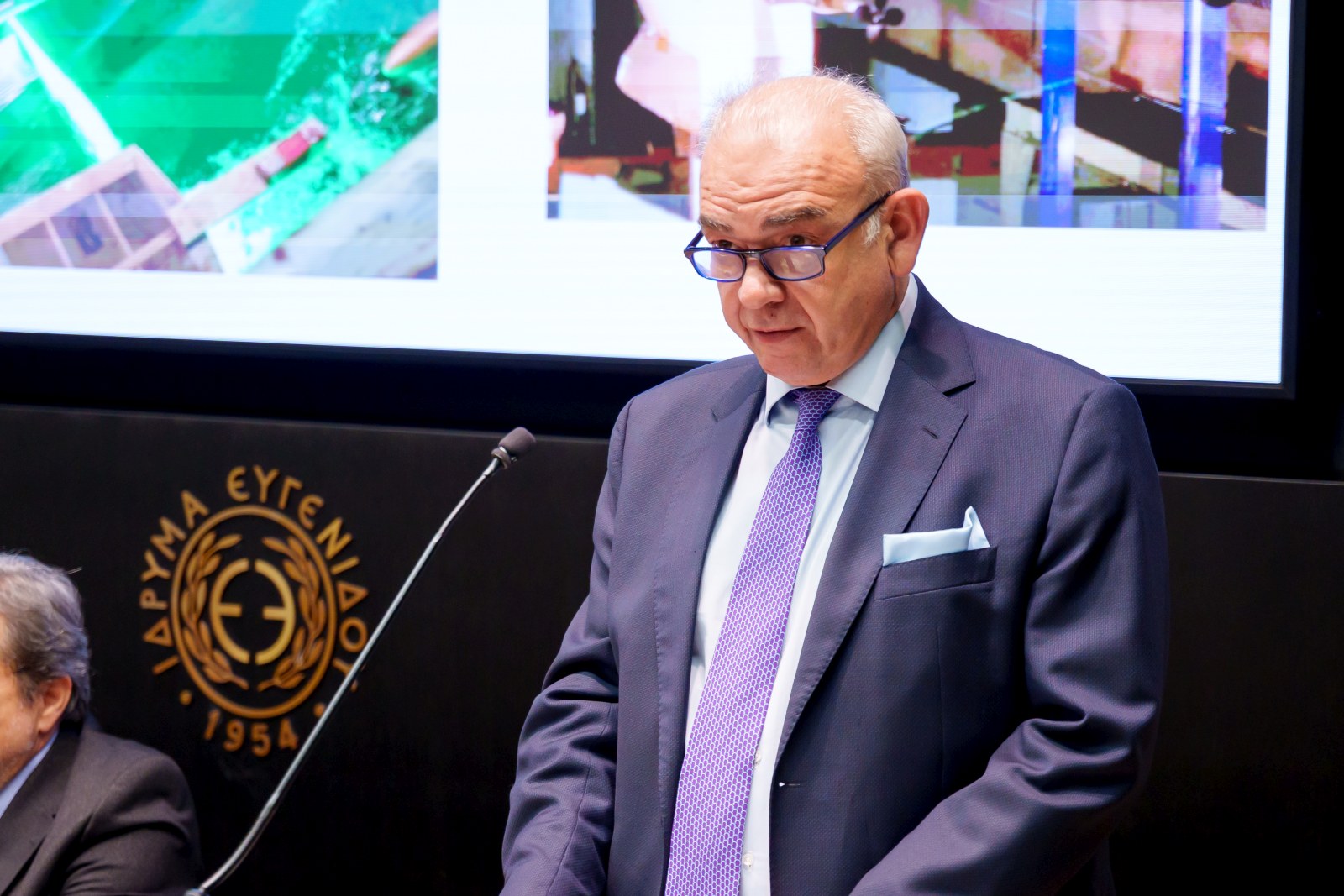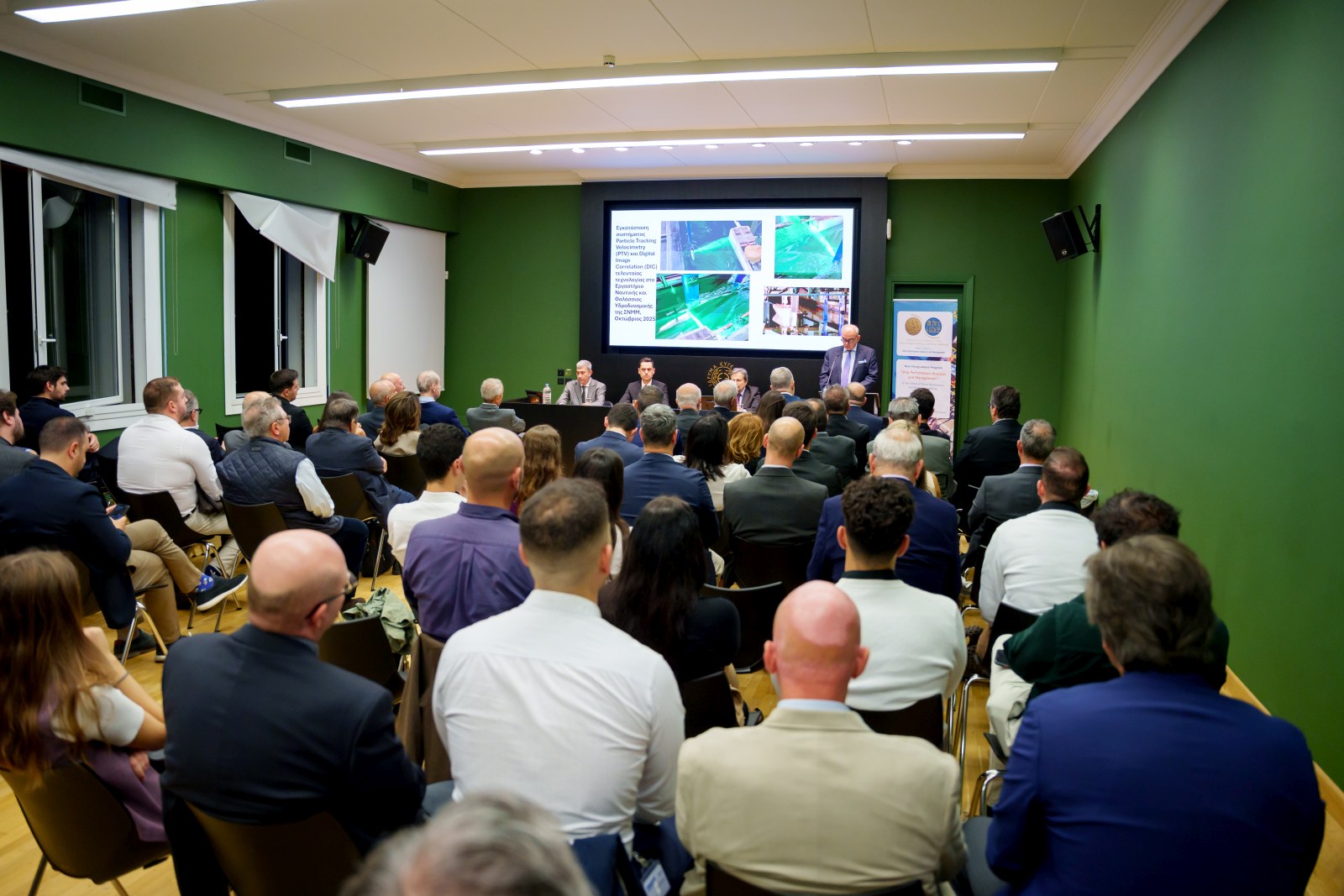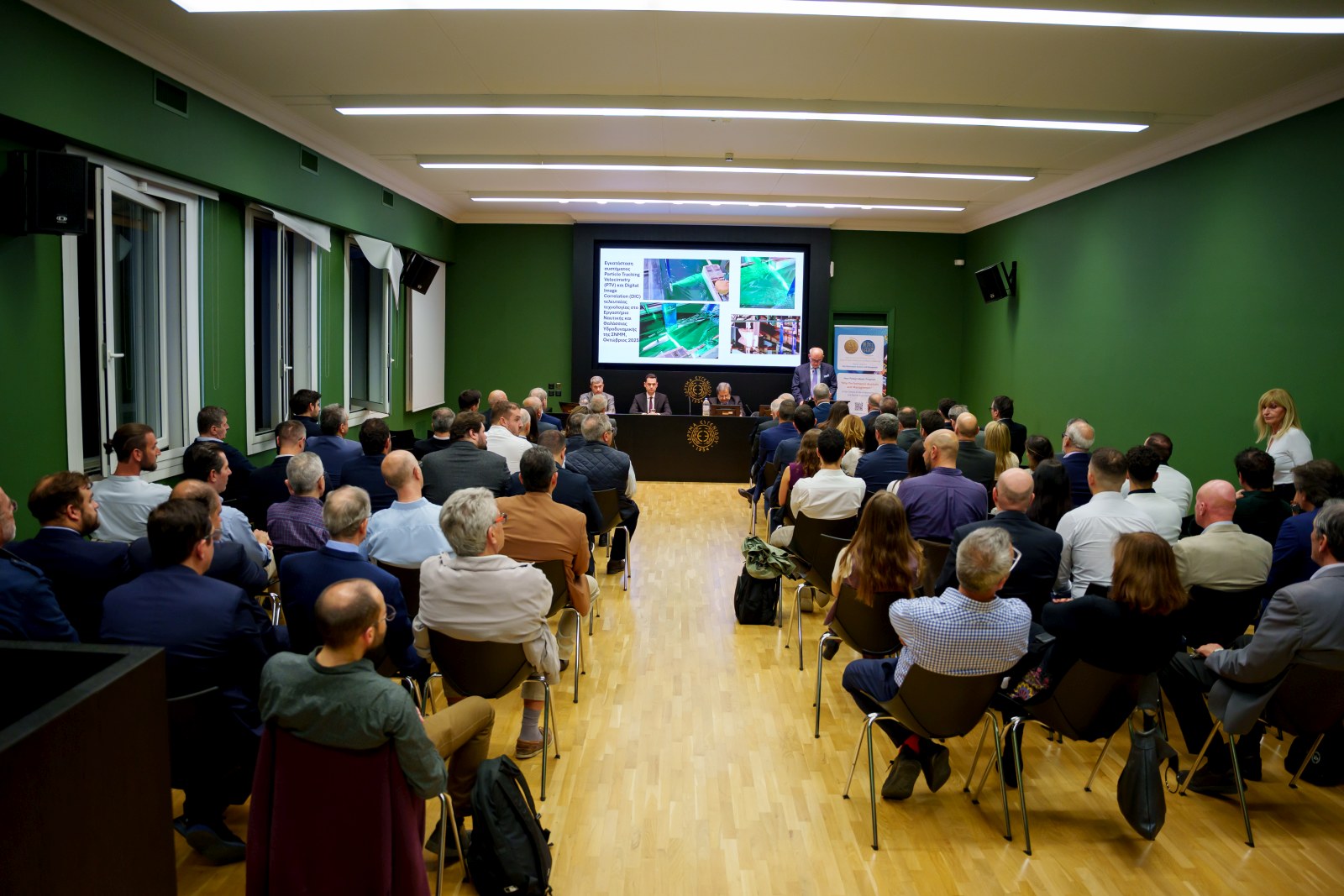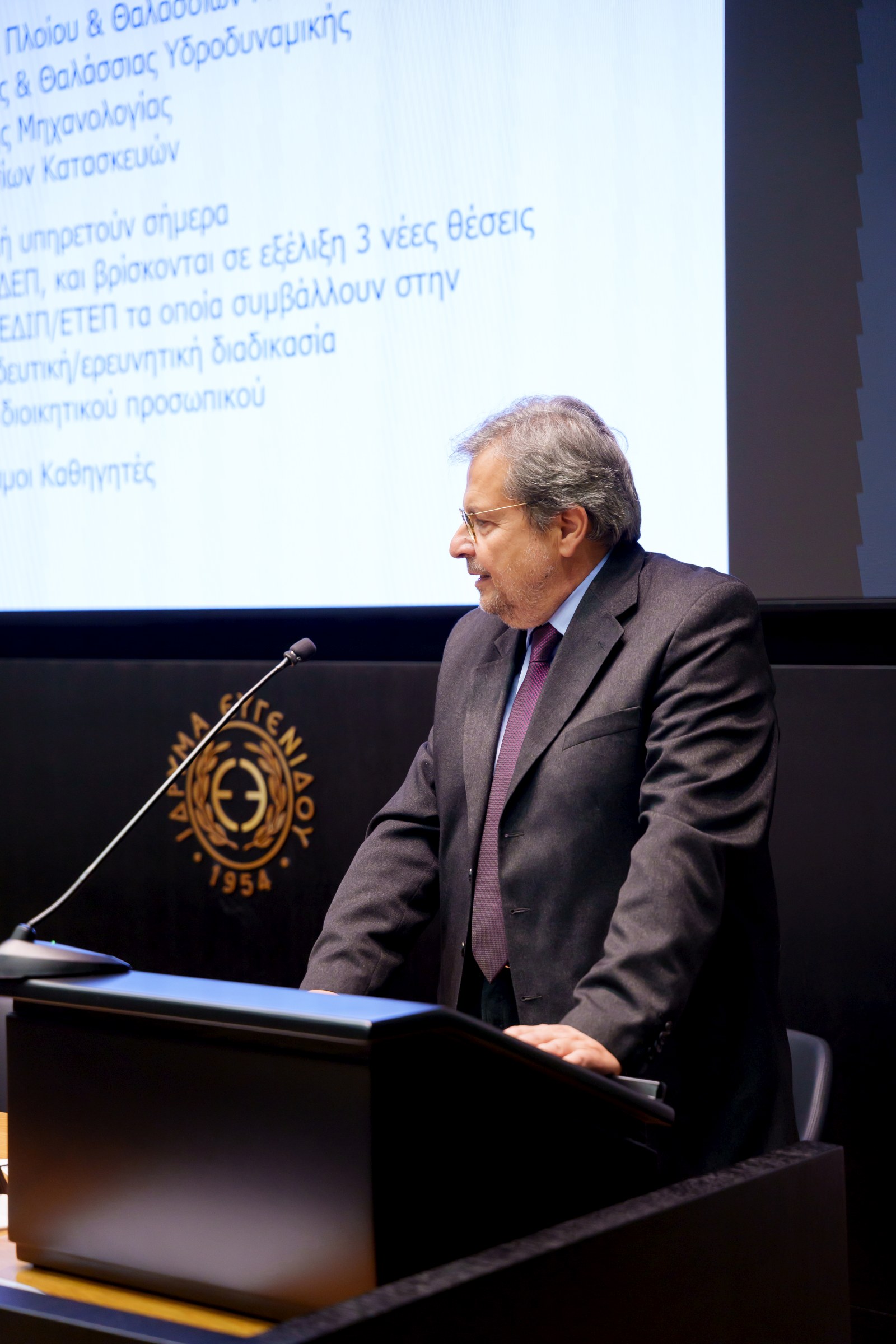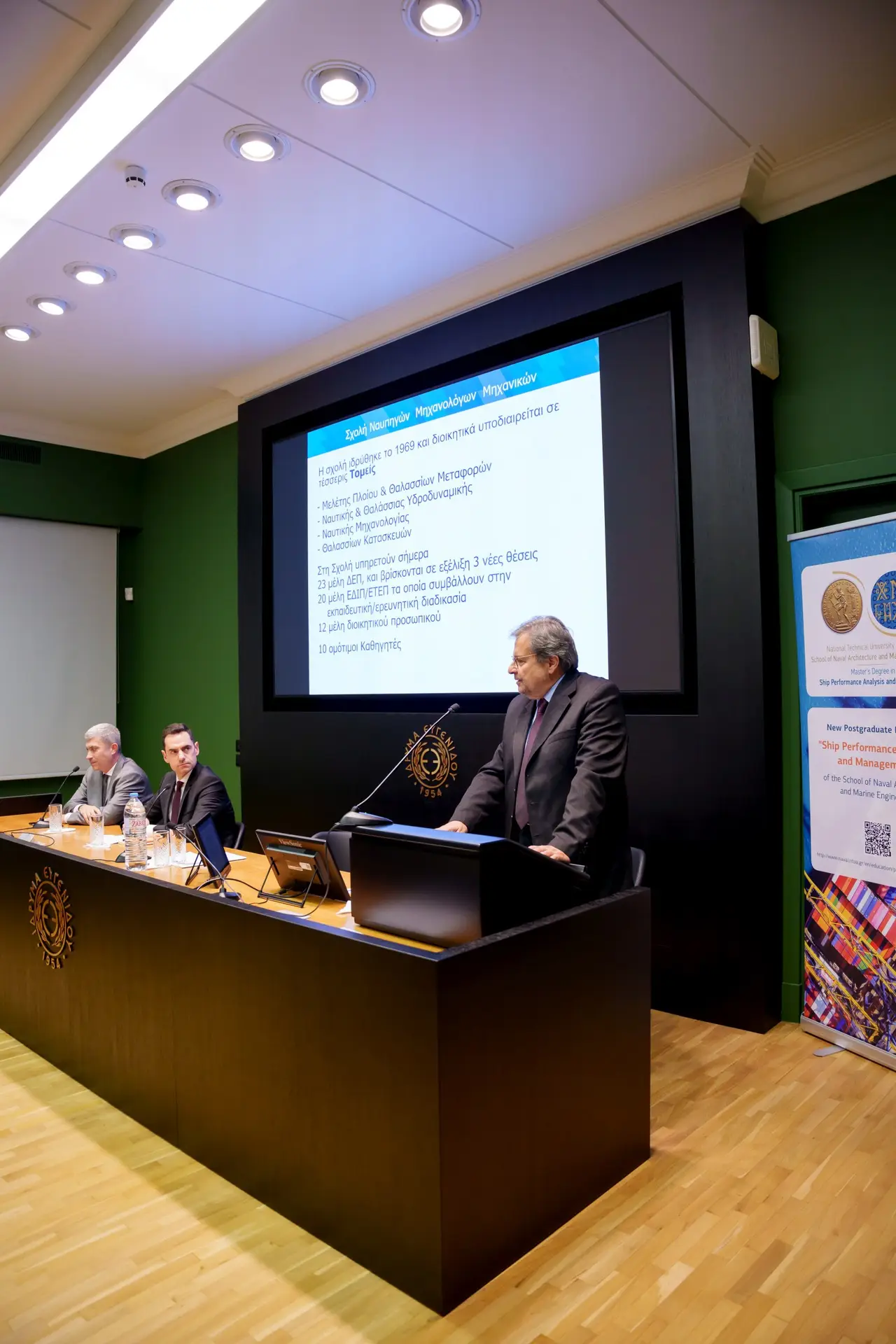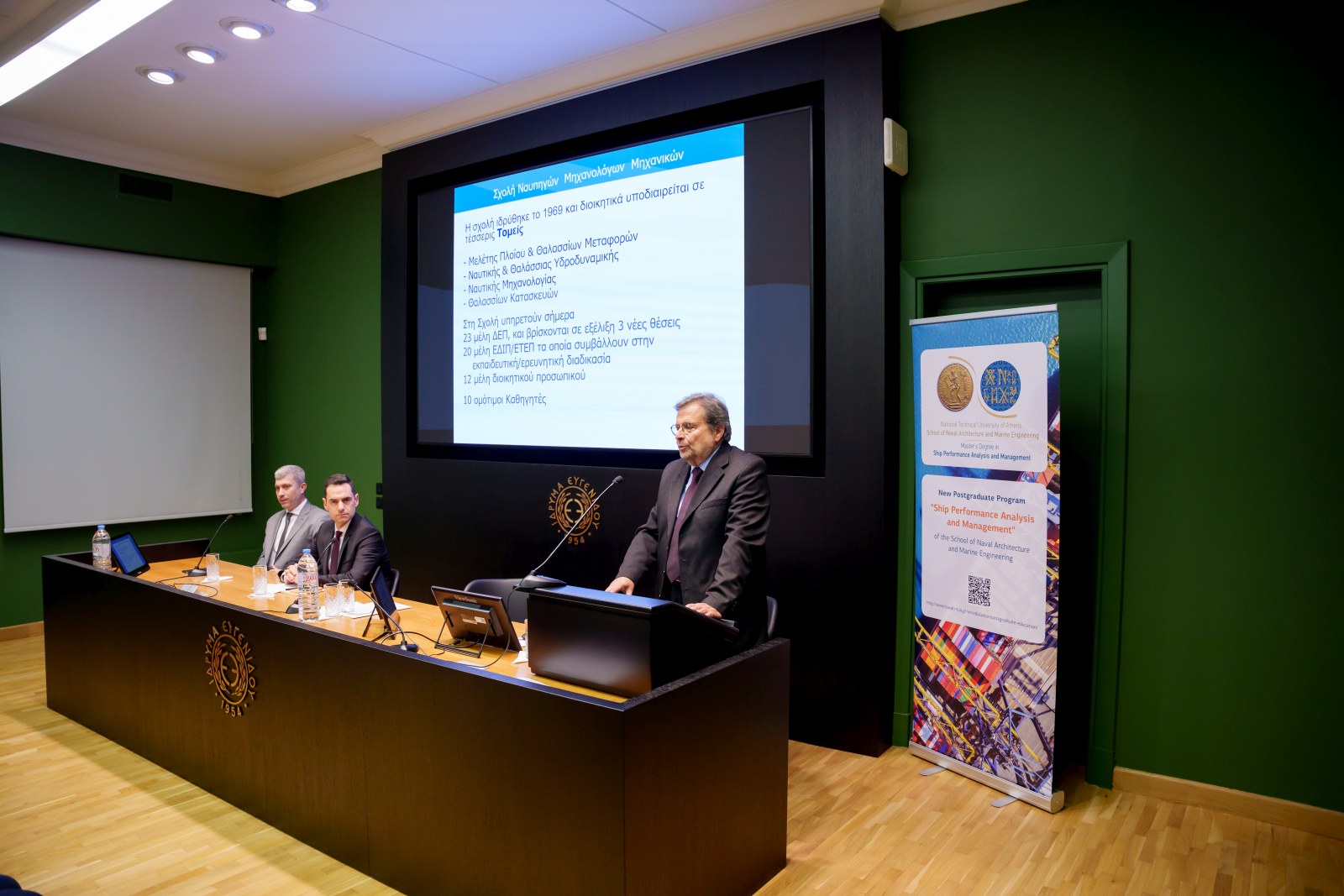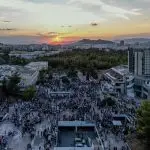
On Friday, 19 September 2025, the inauguration of the renovated building facilities of the Dionysos Satellite Observatory (DSO) took place following the completion of the Project “Energy Upgrade and Modernization Interventions at the Building Complex of the NTUA Dionysos Satellite Observatory”, which was included in the Operational Programme “Transport Infrastructure, Environment and Sustainable Development 2014–2020”.
The interventions included energy upgrades, the utilization of renewable energy sources, renovation and modernization of the buildings. The aim was to achieve energy savings and reduce pollutant emissions, while also creating a modern space that respects the original design of the buildings and showcases the Observatory’s vision.
The renovation project amounted to €1,710,000 including VAT and was funded by the Operational Programme “Transport Infrastructure, Environment and Sustainable Development 2014–2020”.
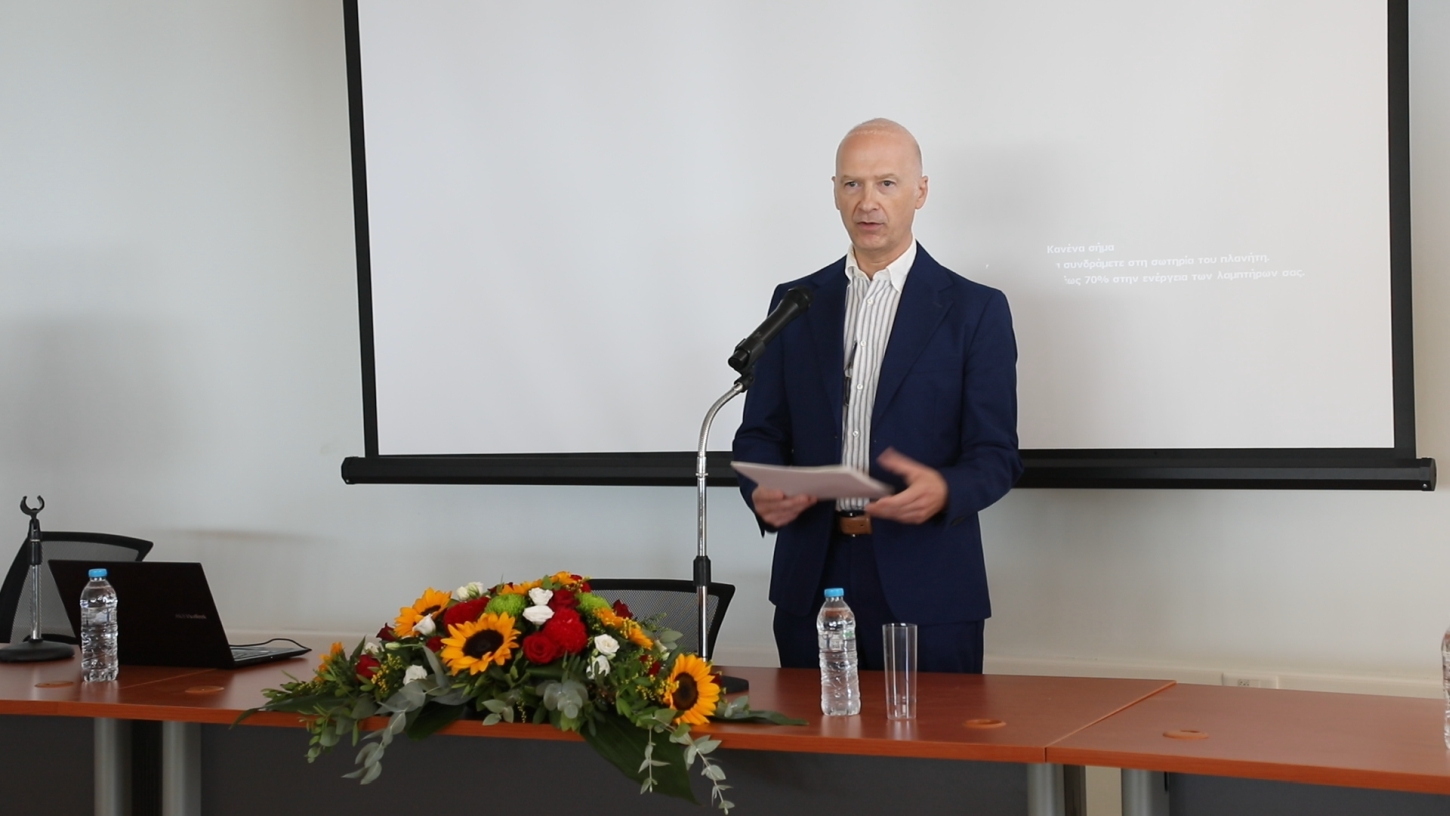
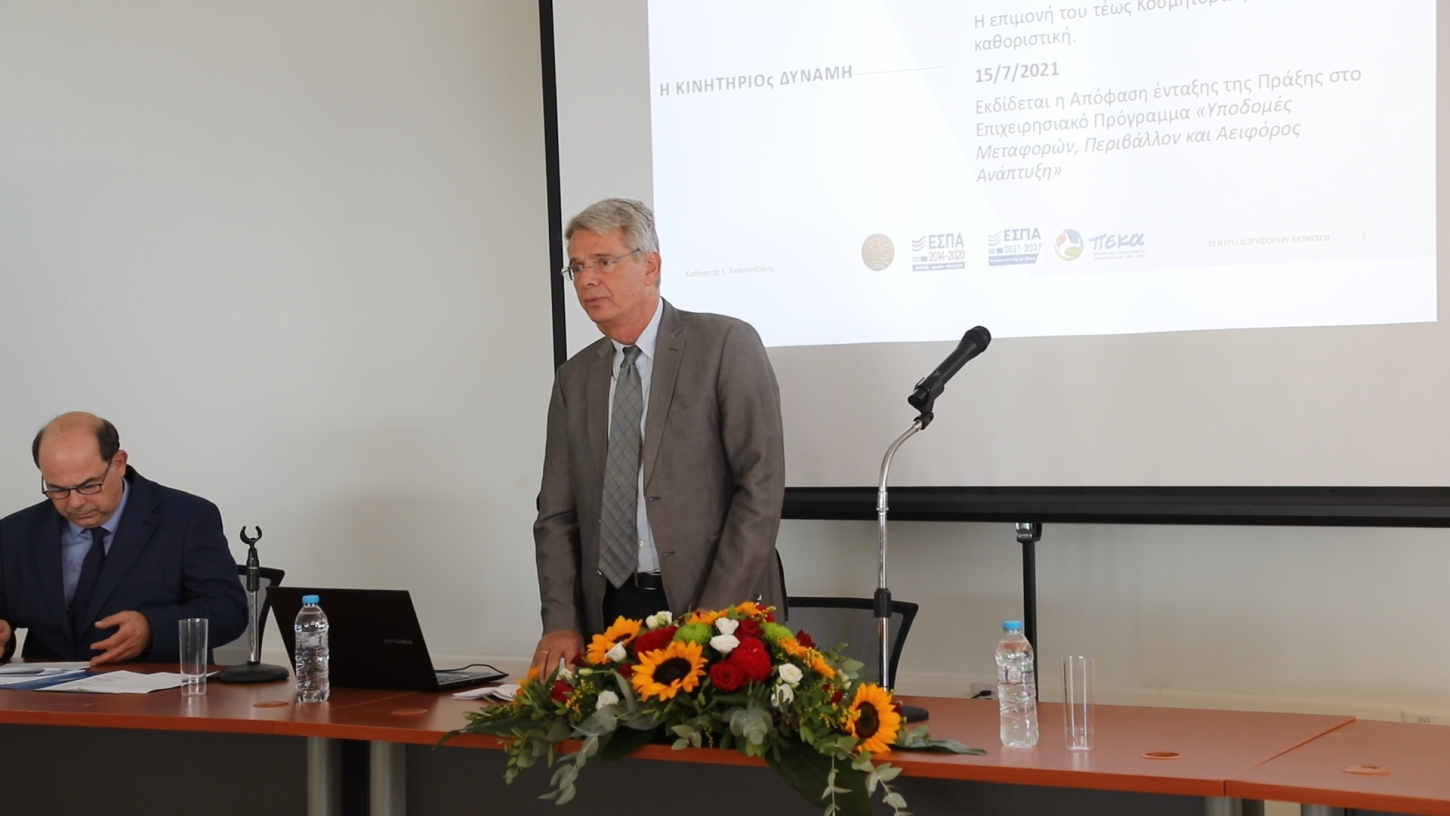
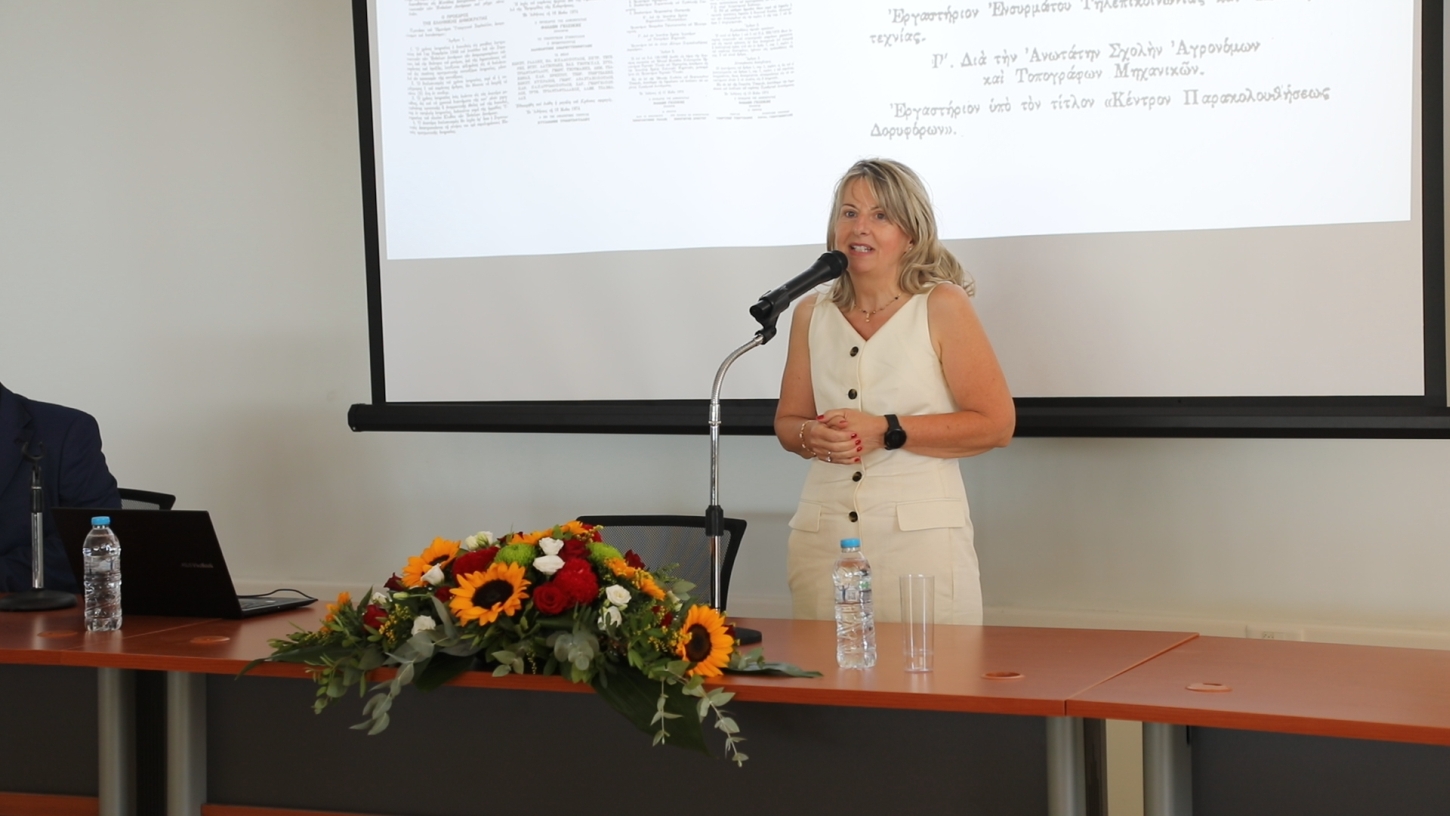
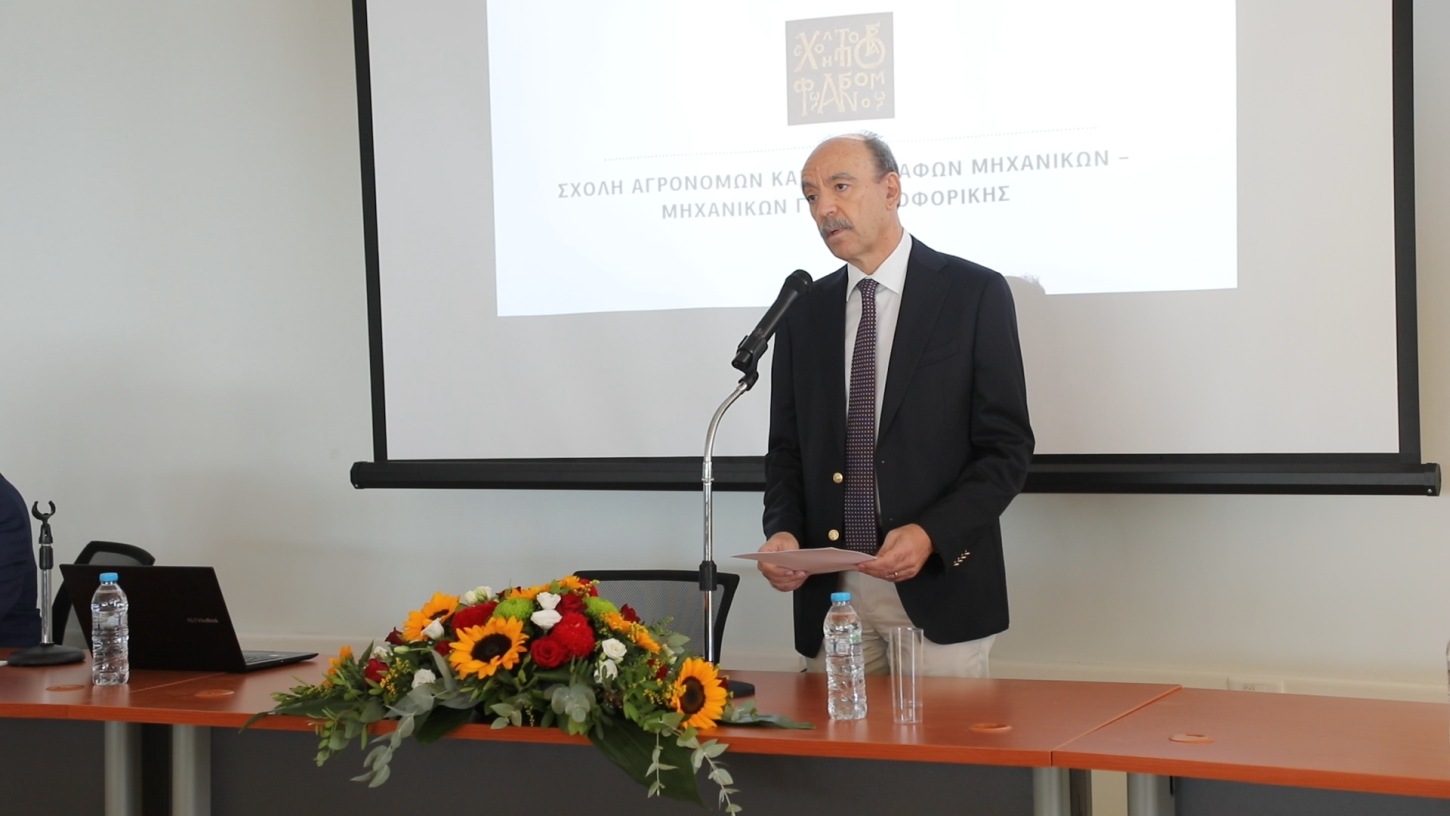
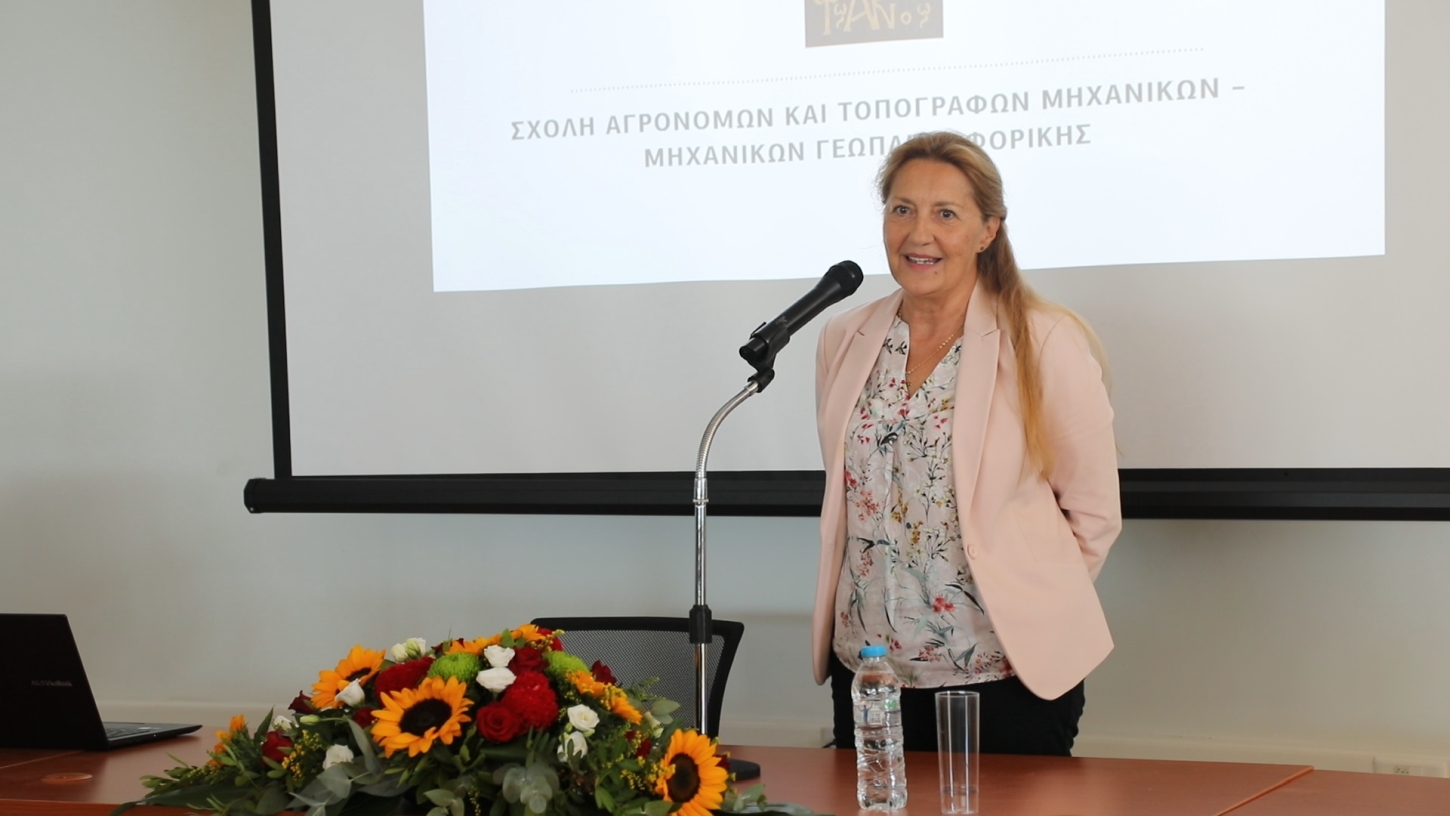
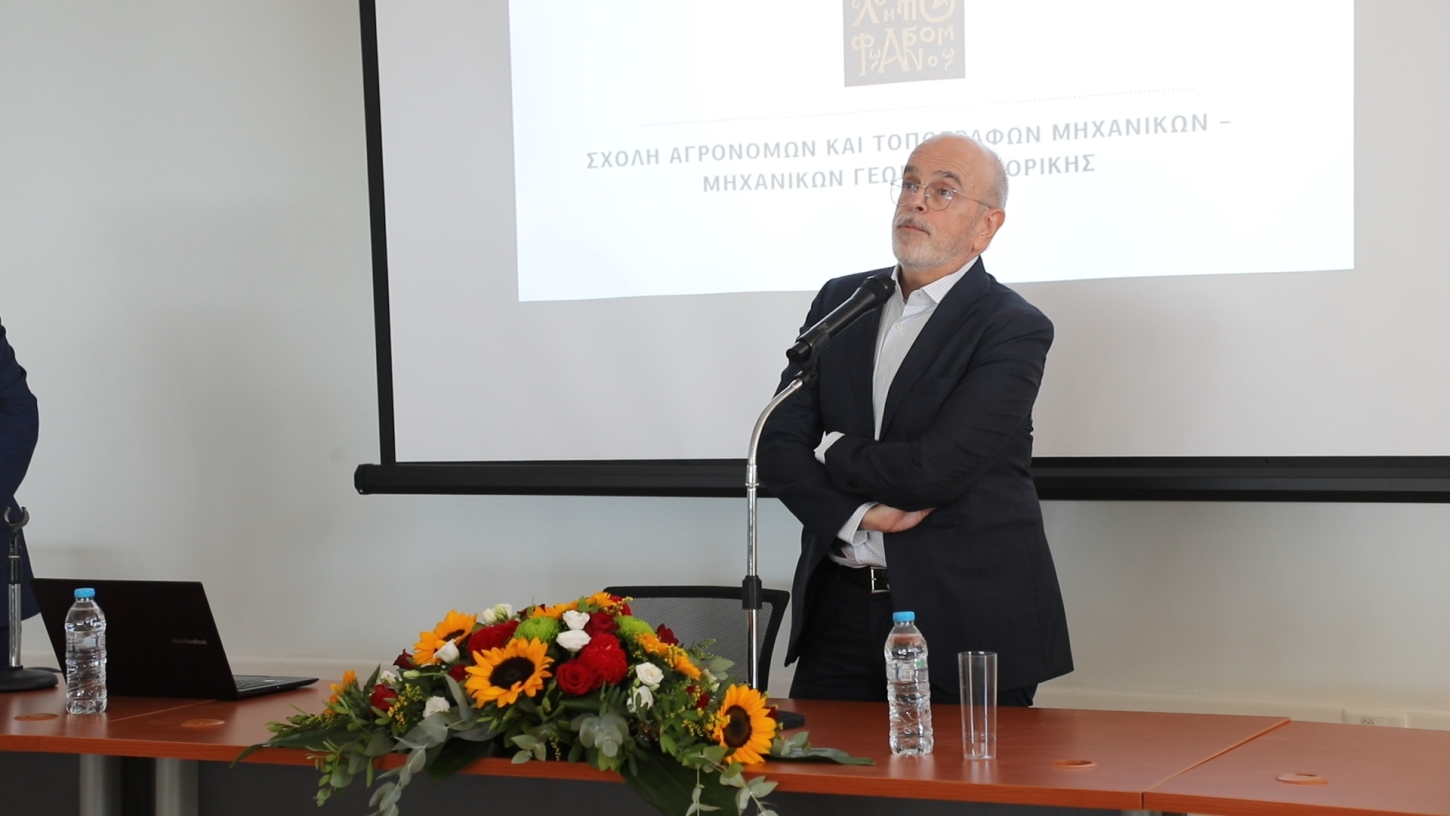
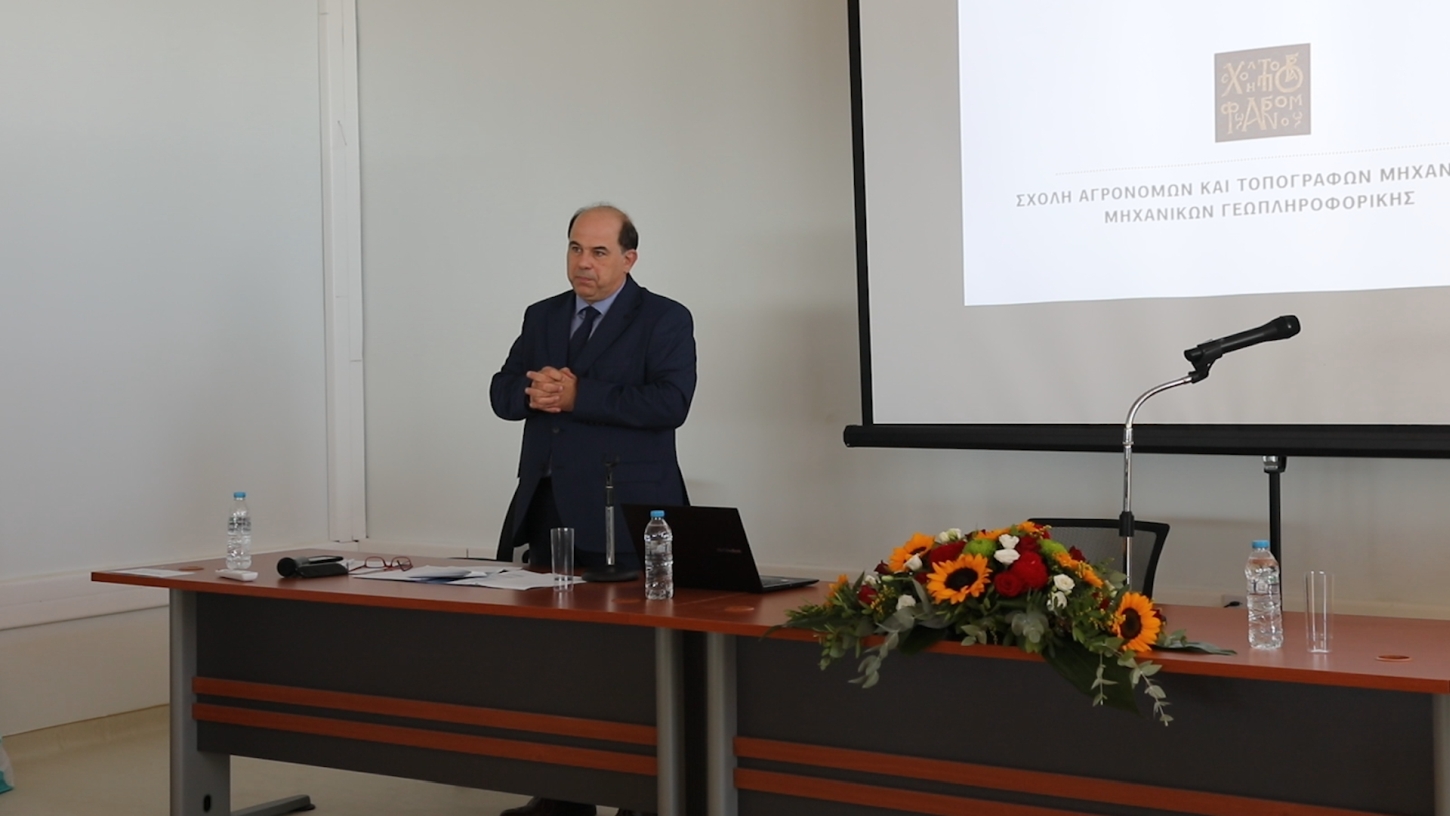
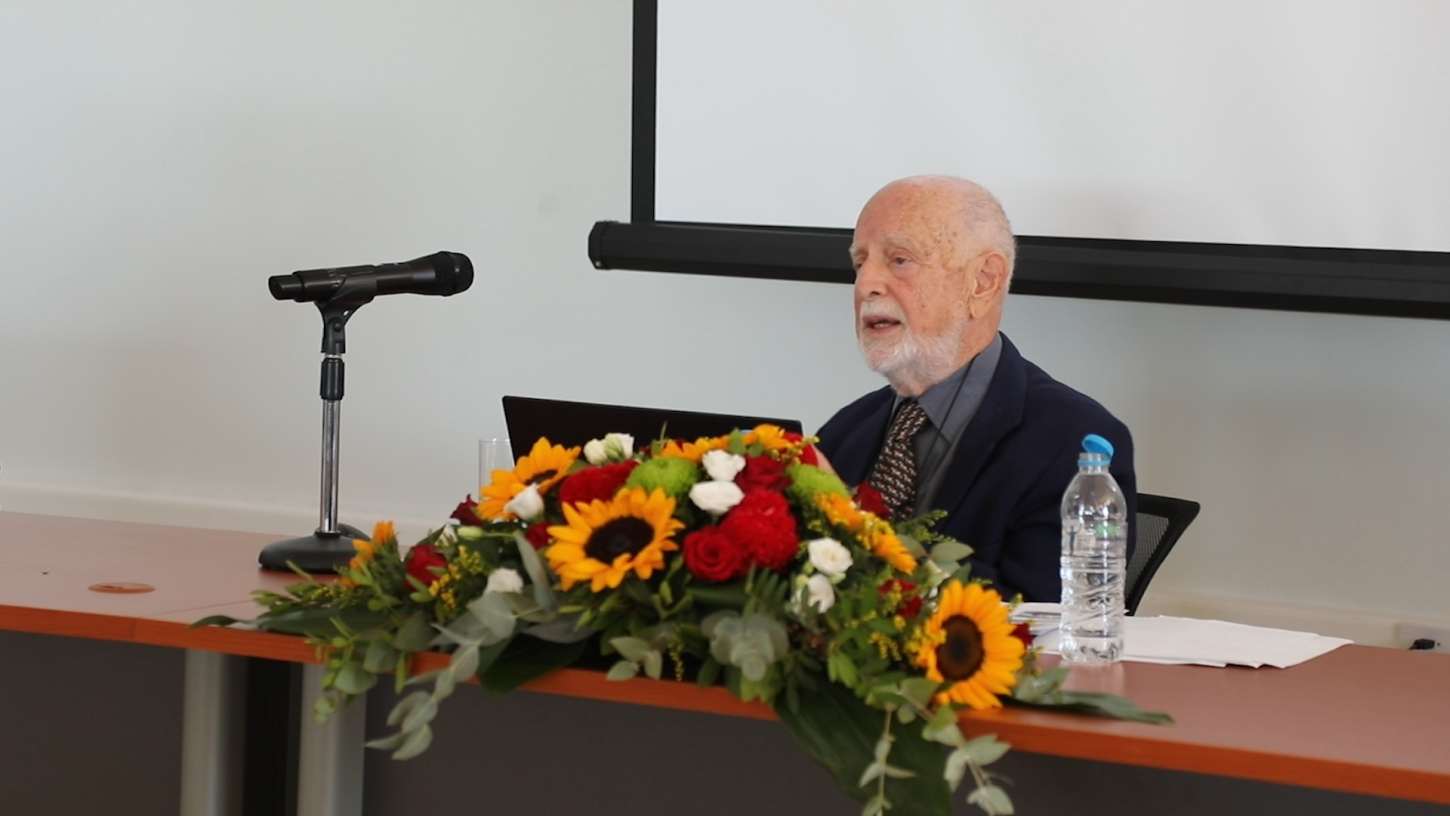
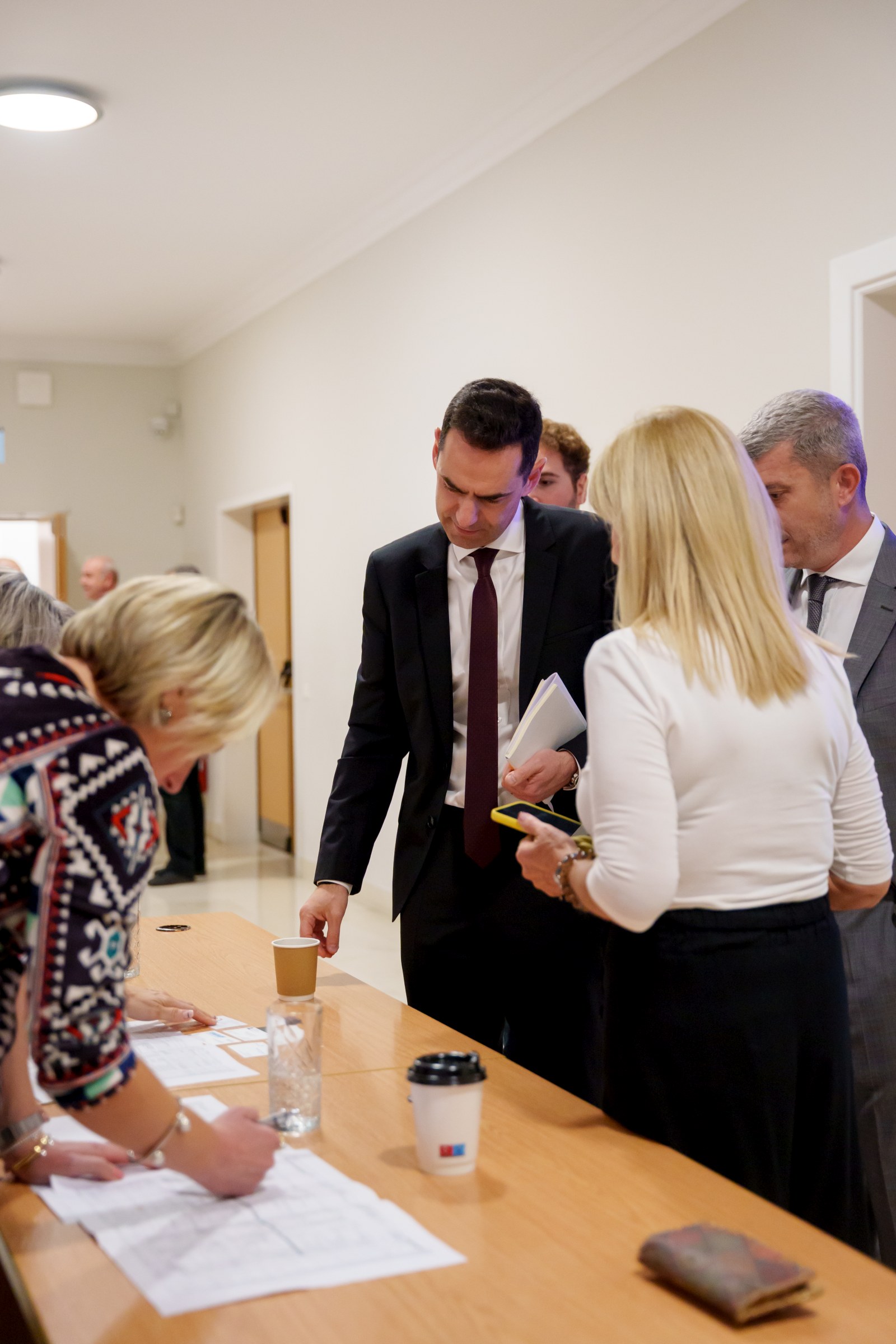
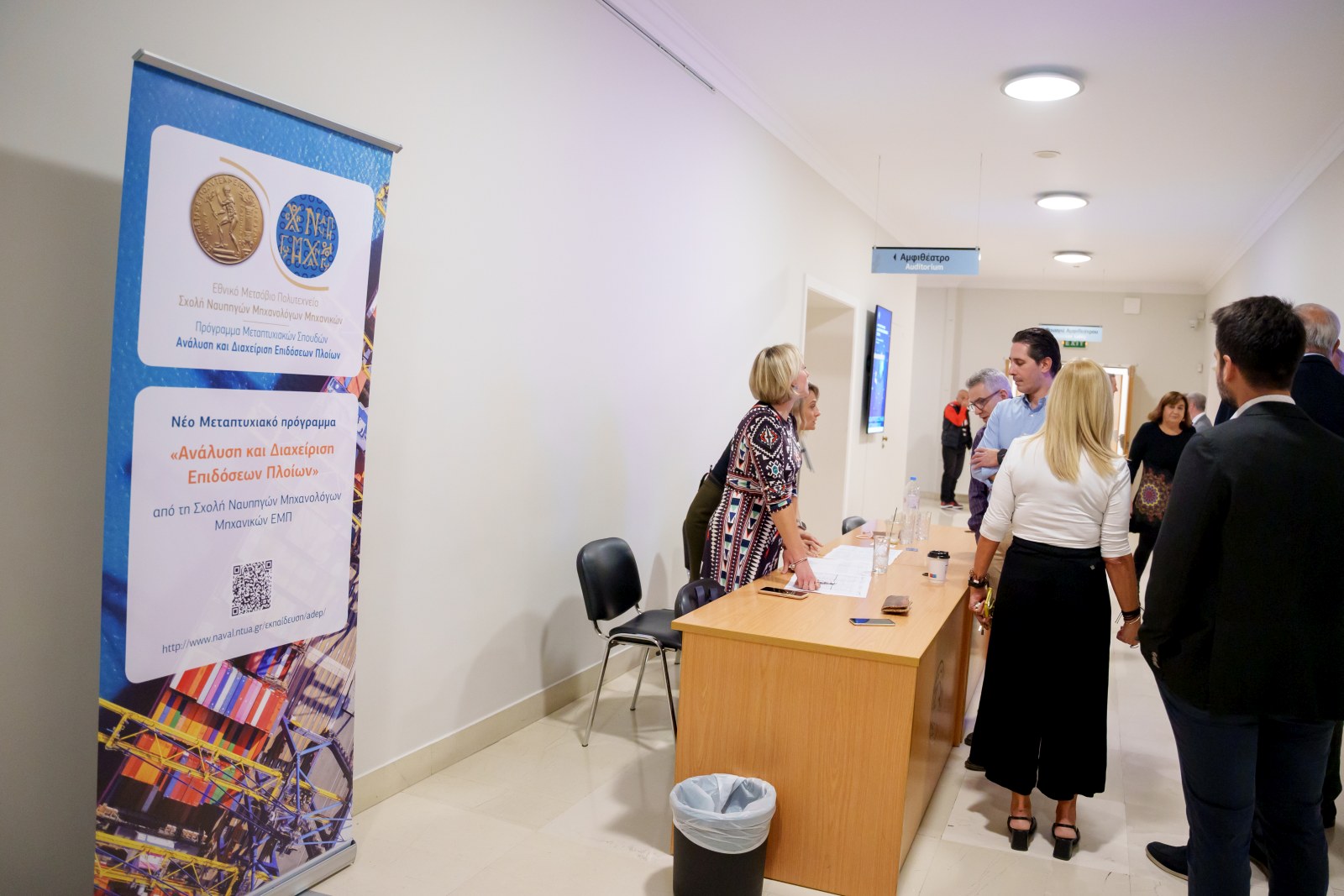
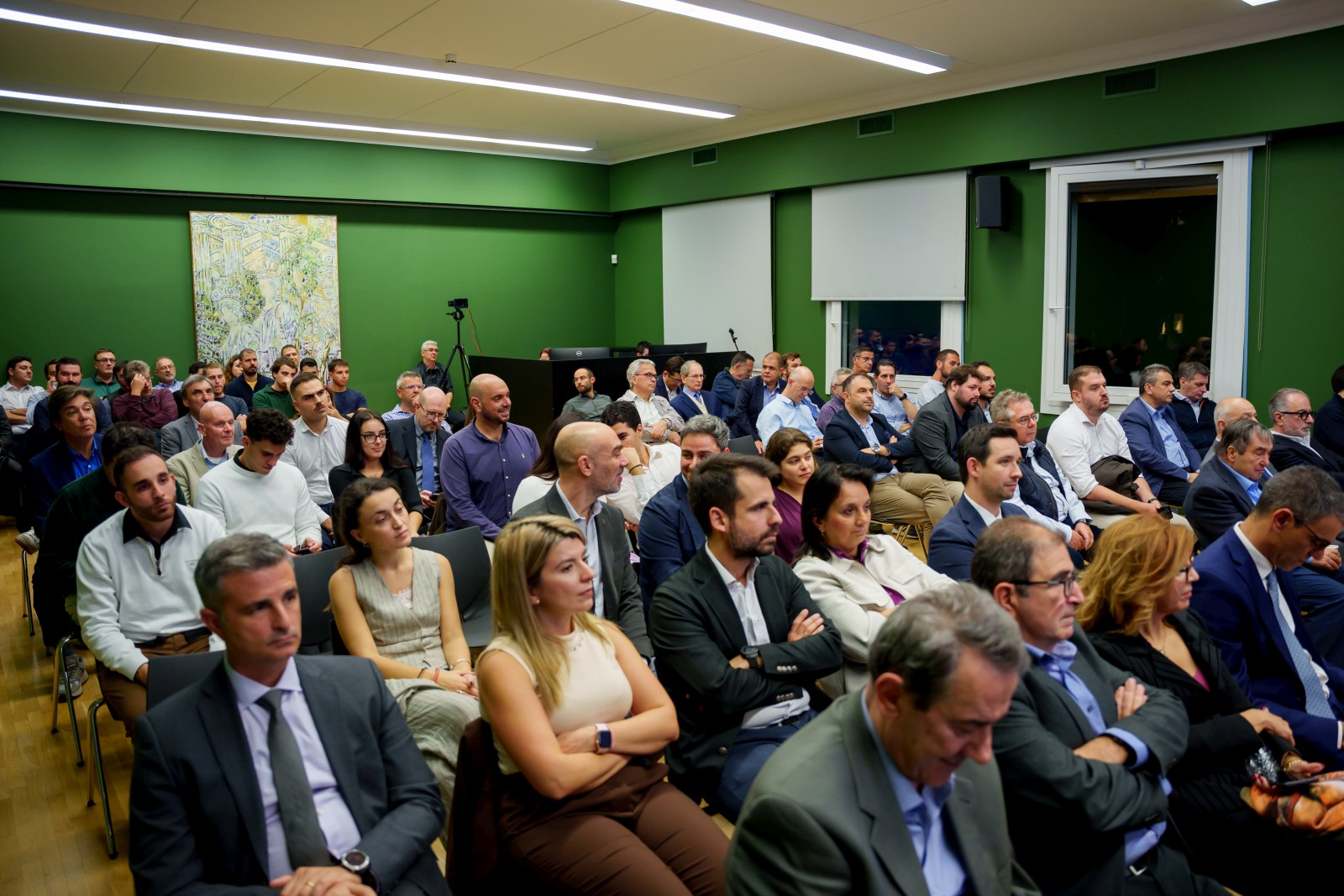
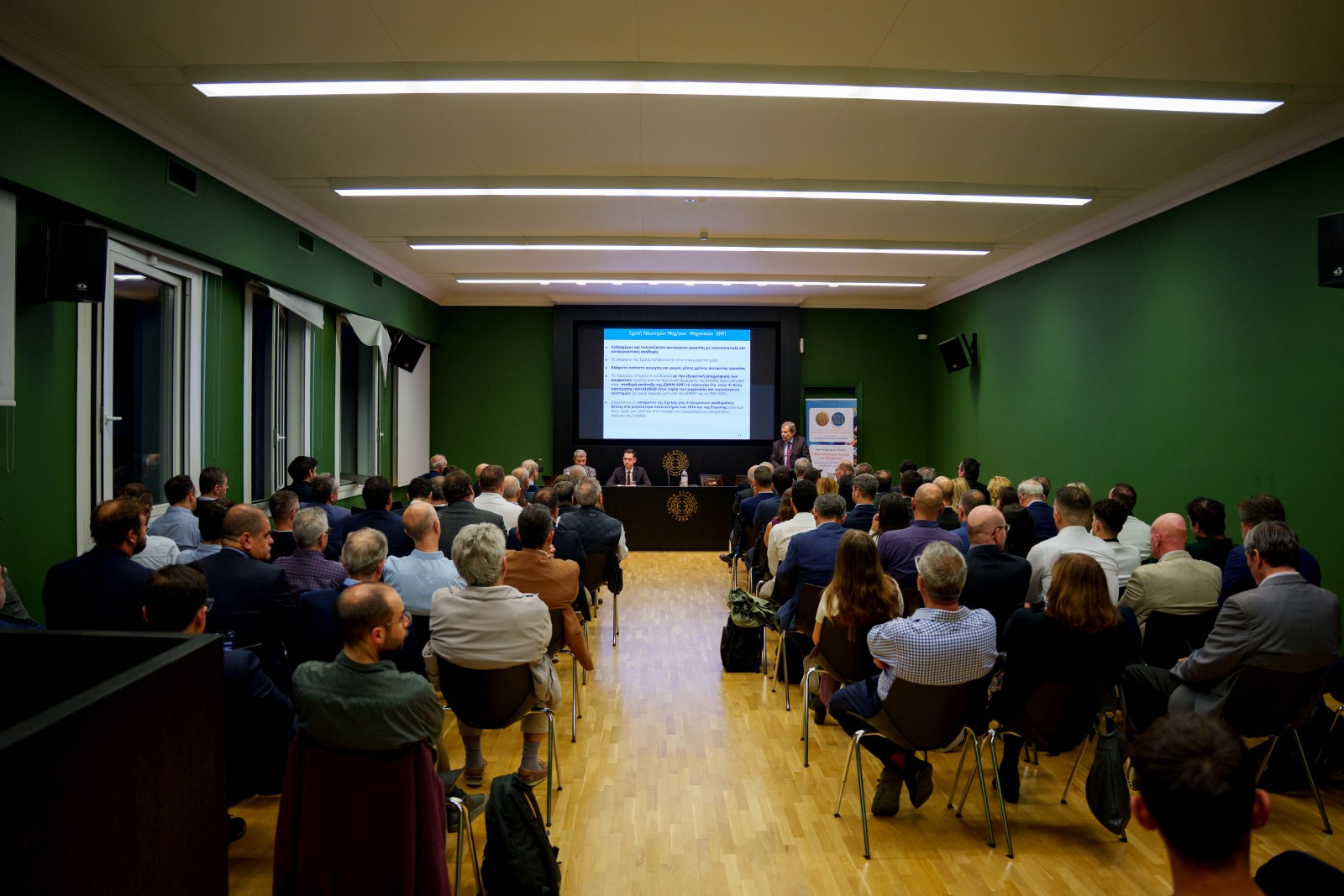
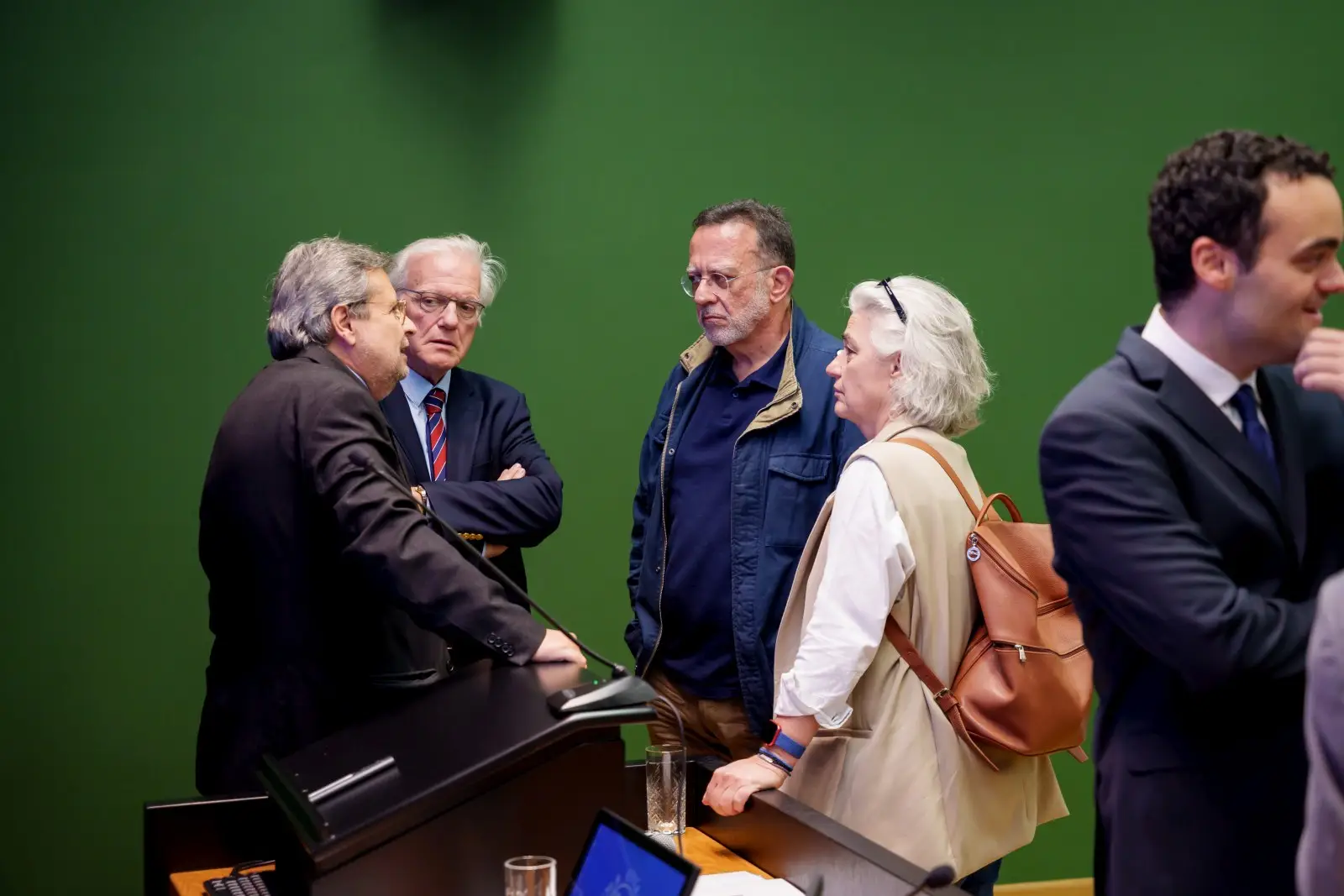
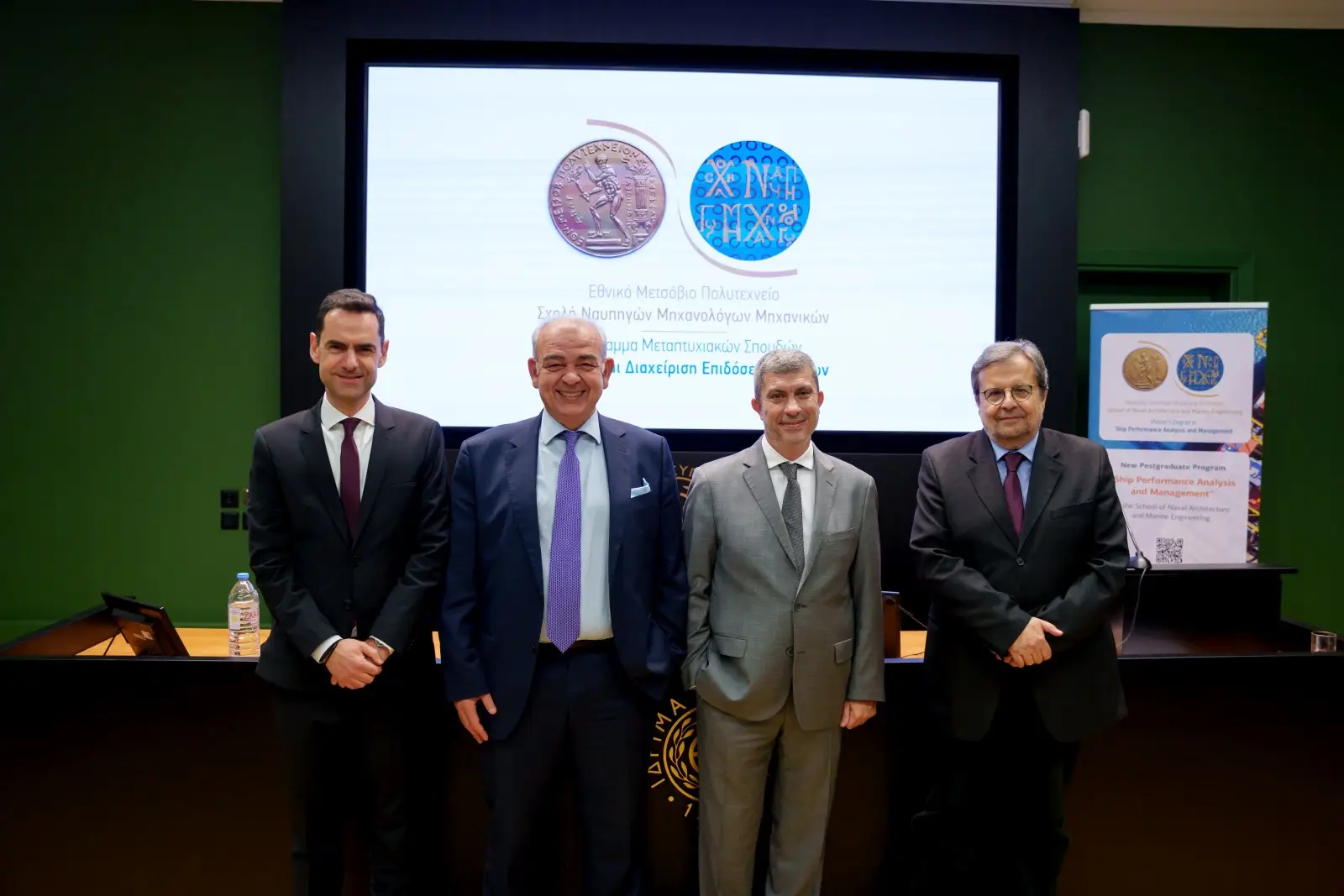
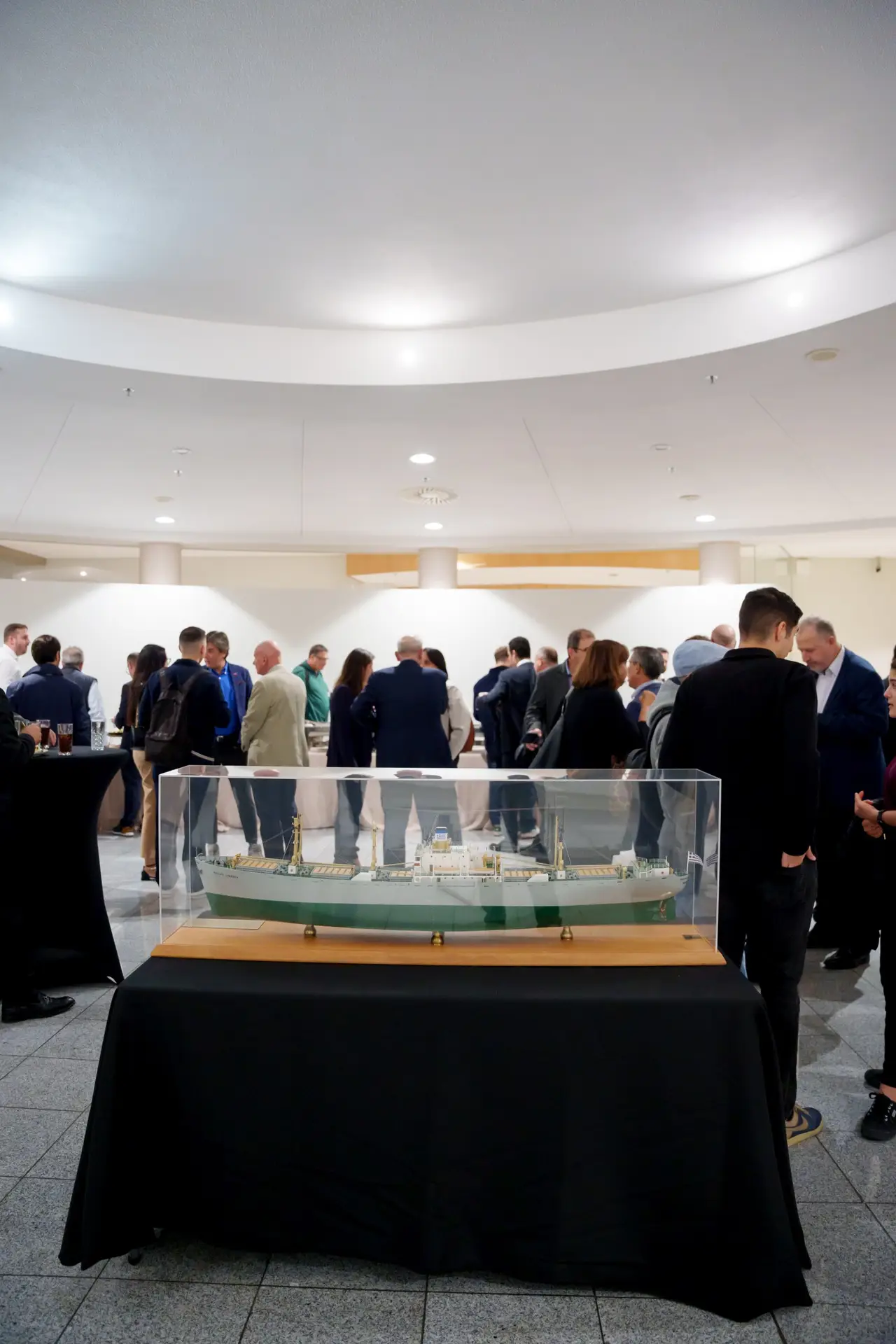
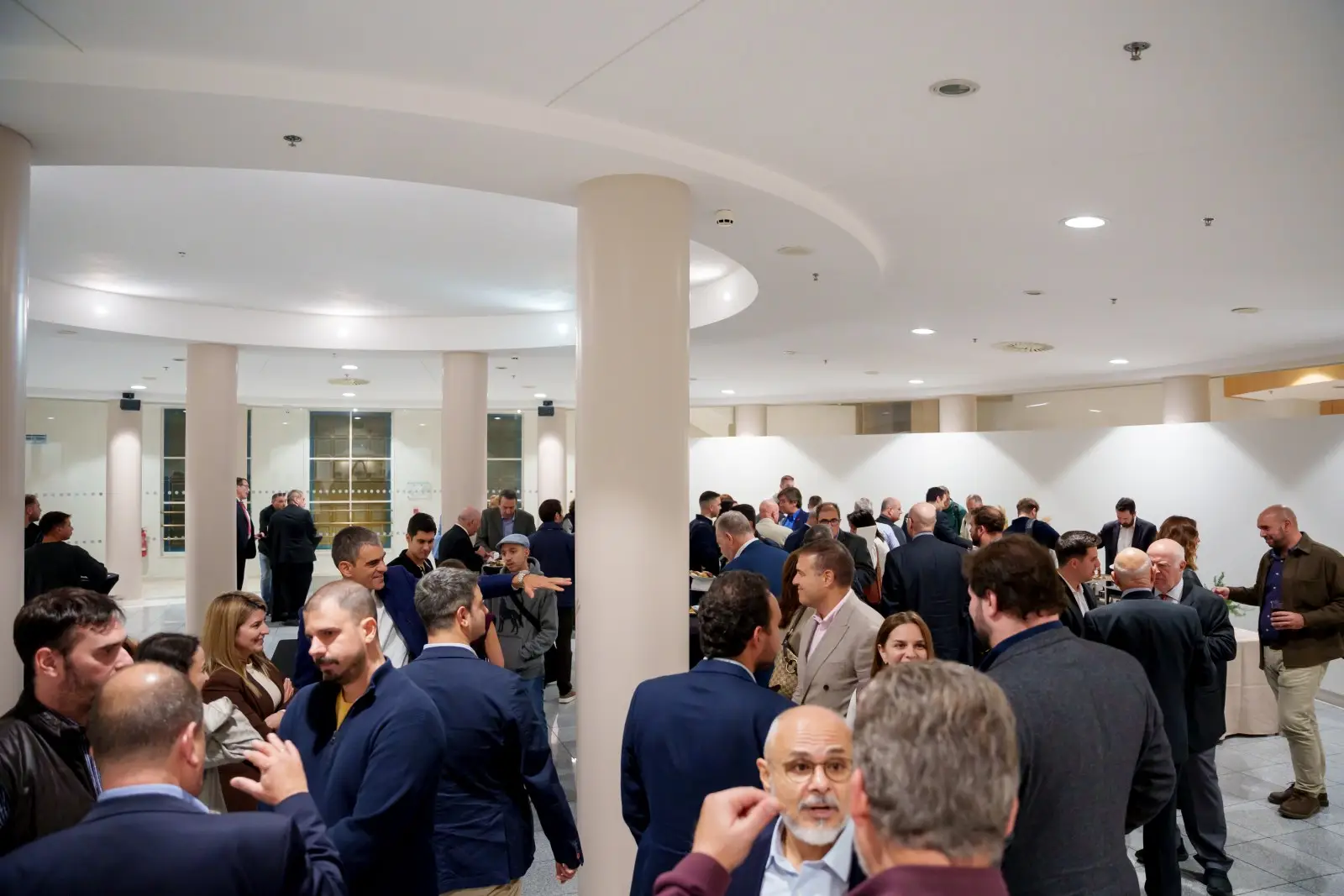
The ceremony was attended by more than 130 guests, including representatives from universities, research centres, military academies, government agencies, and private organizations.
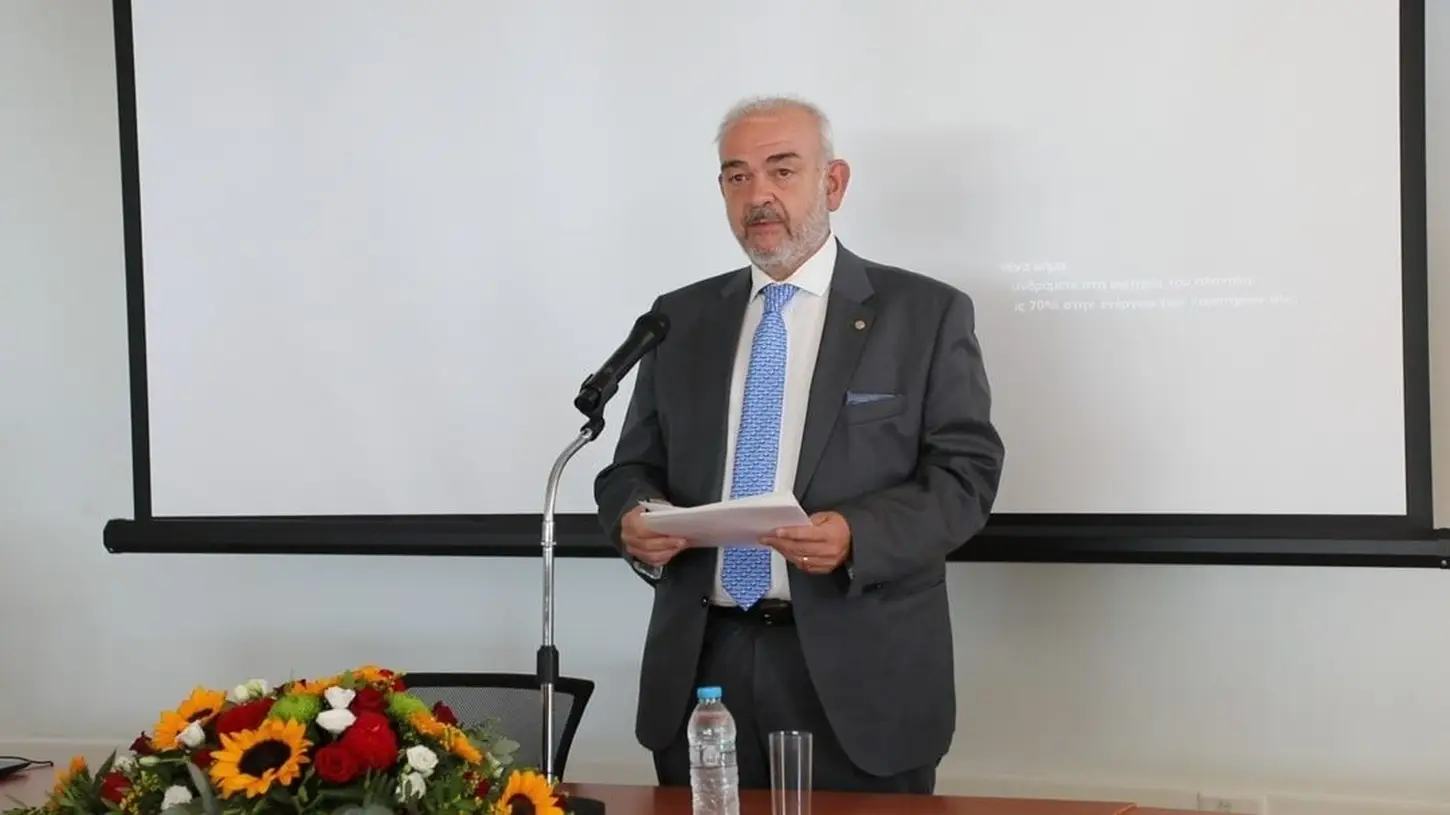
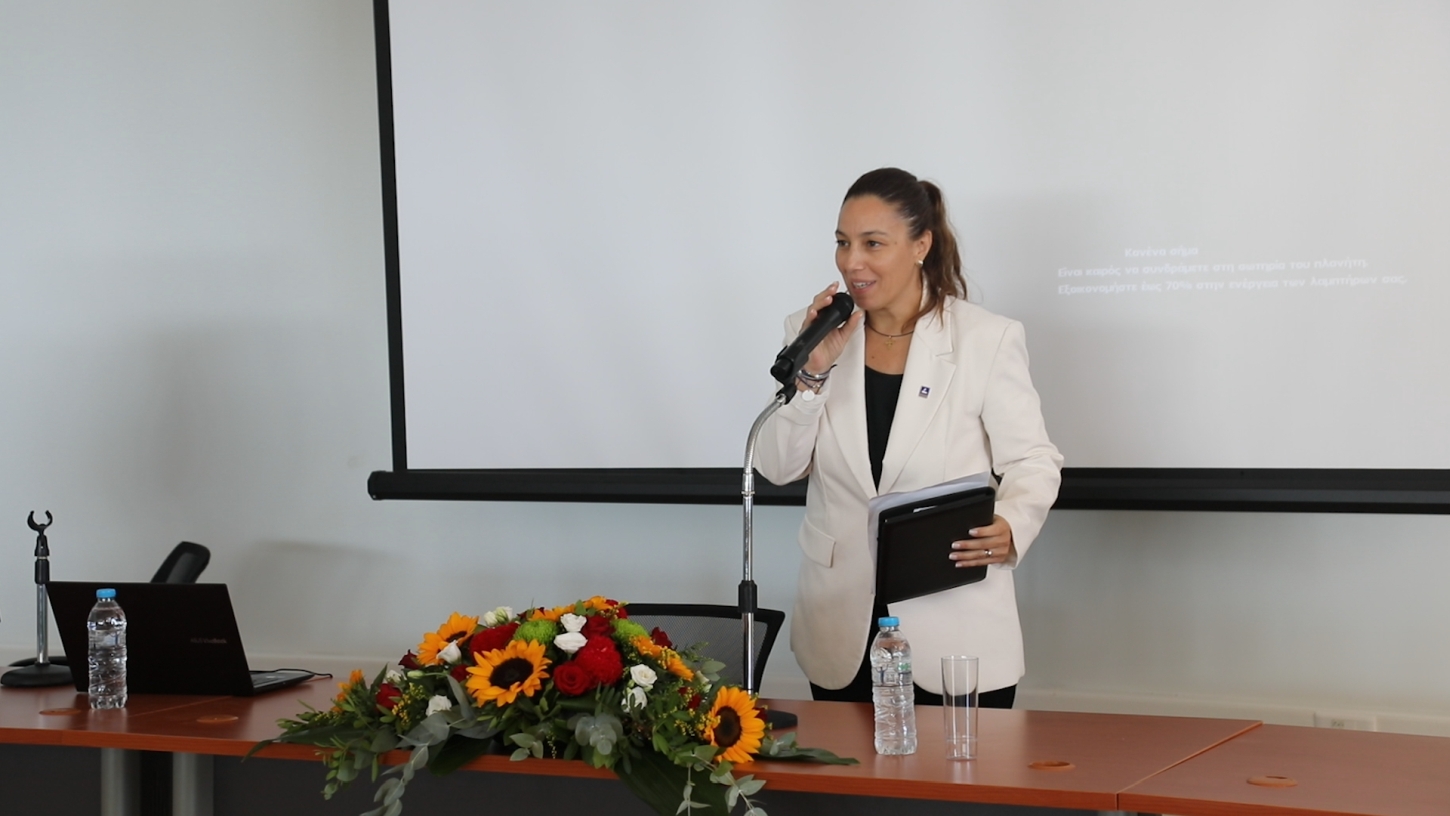
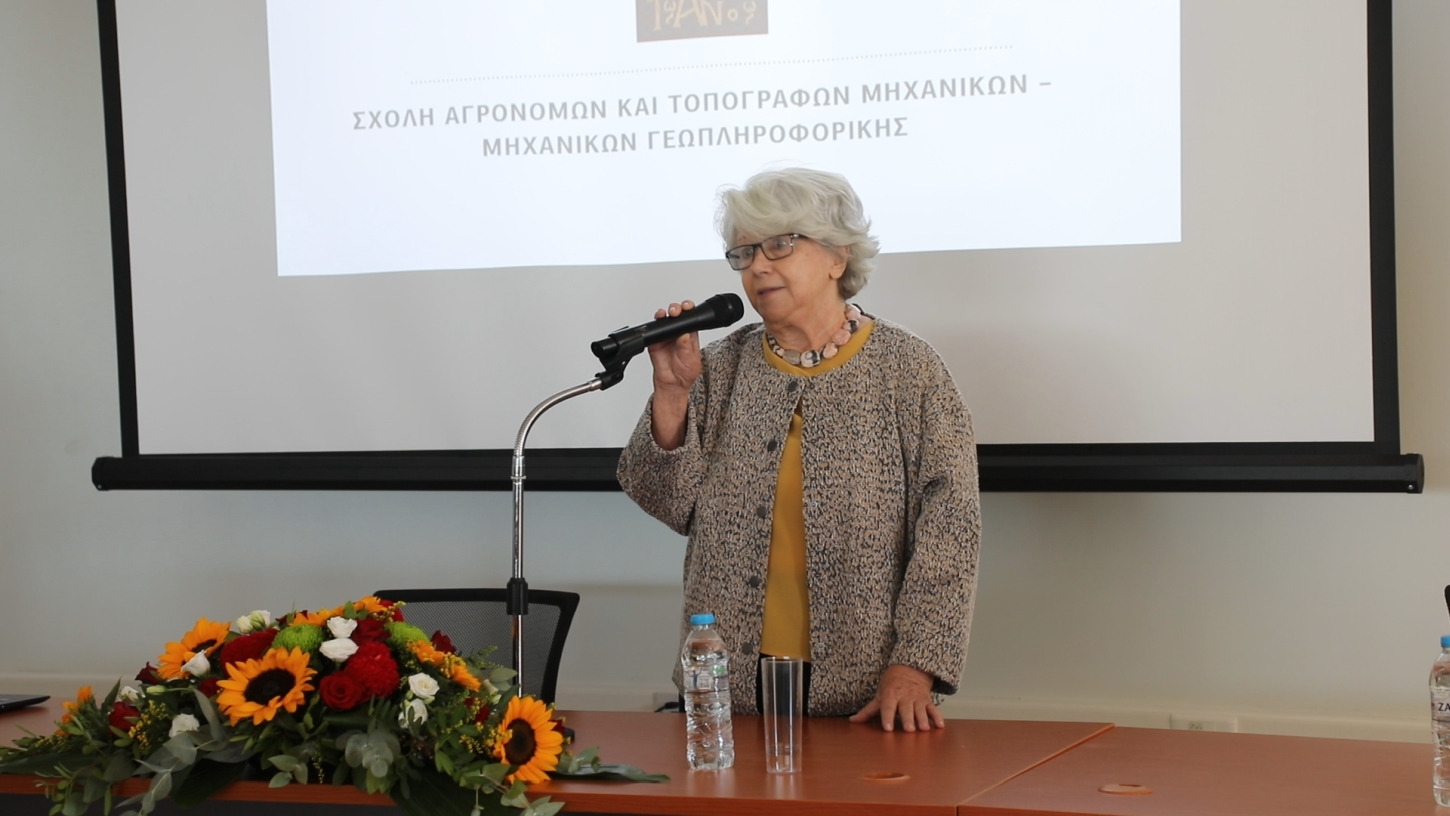
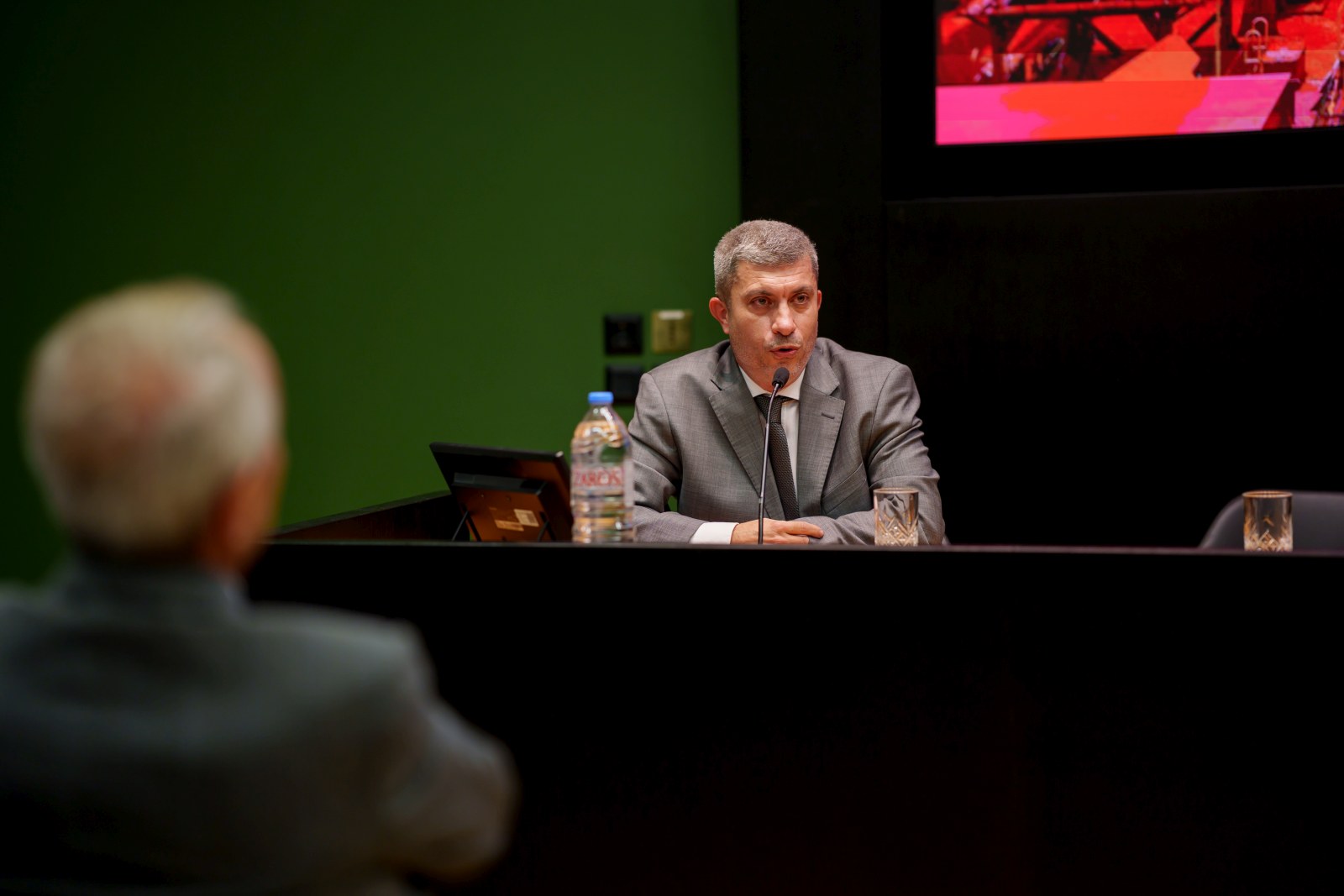
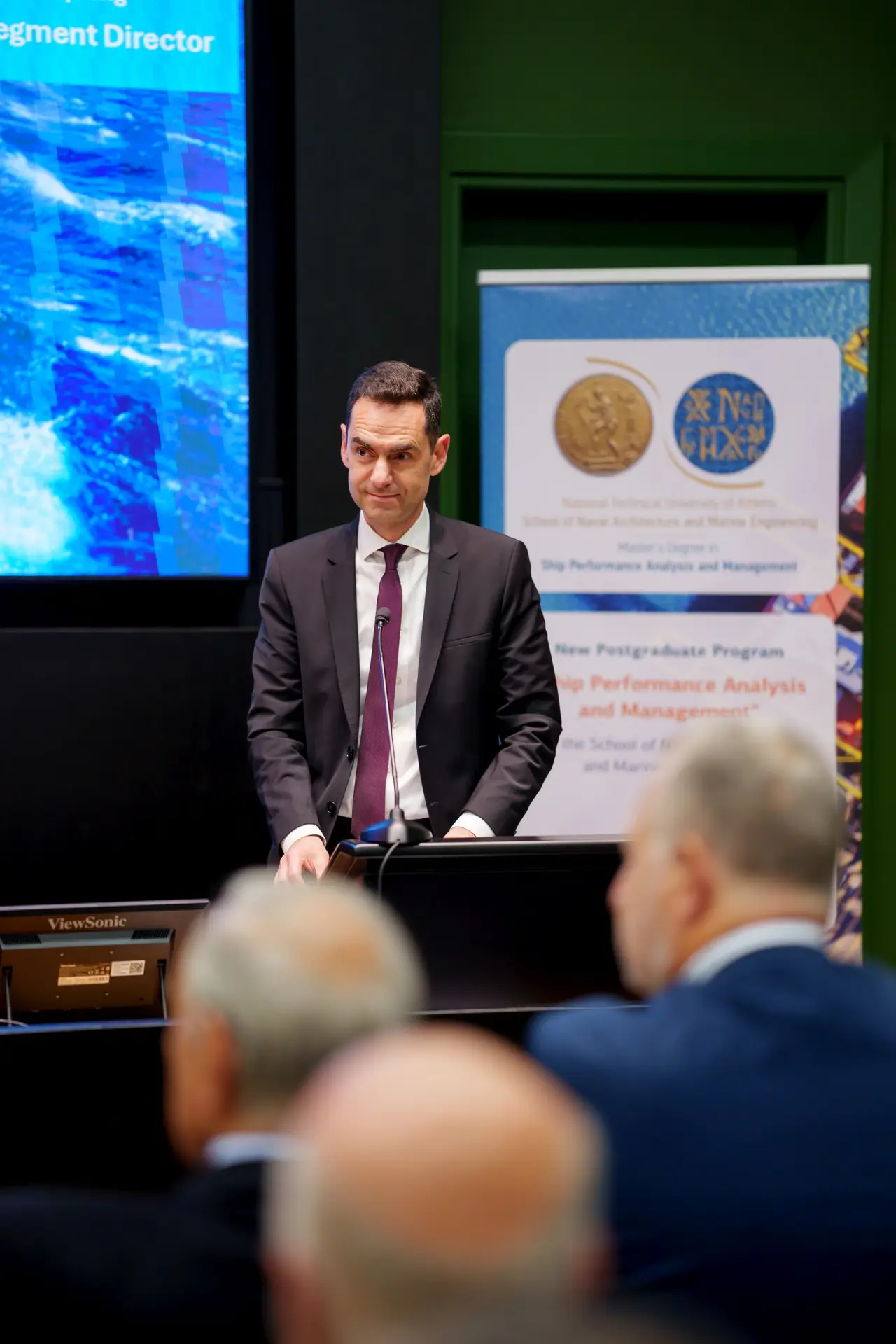
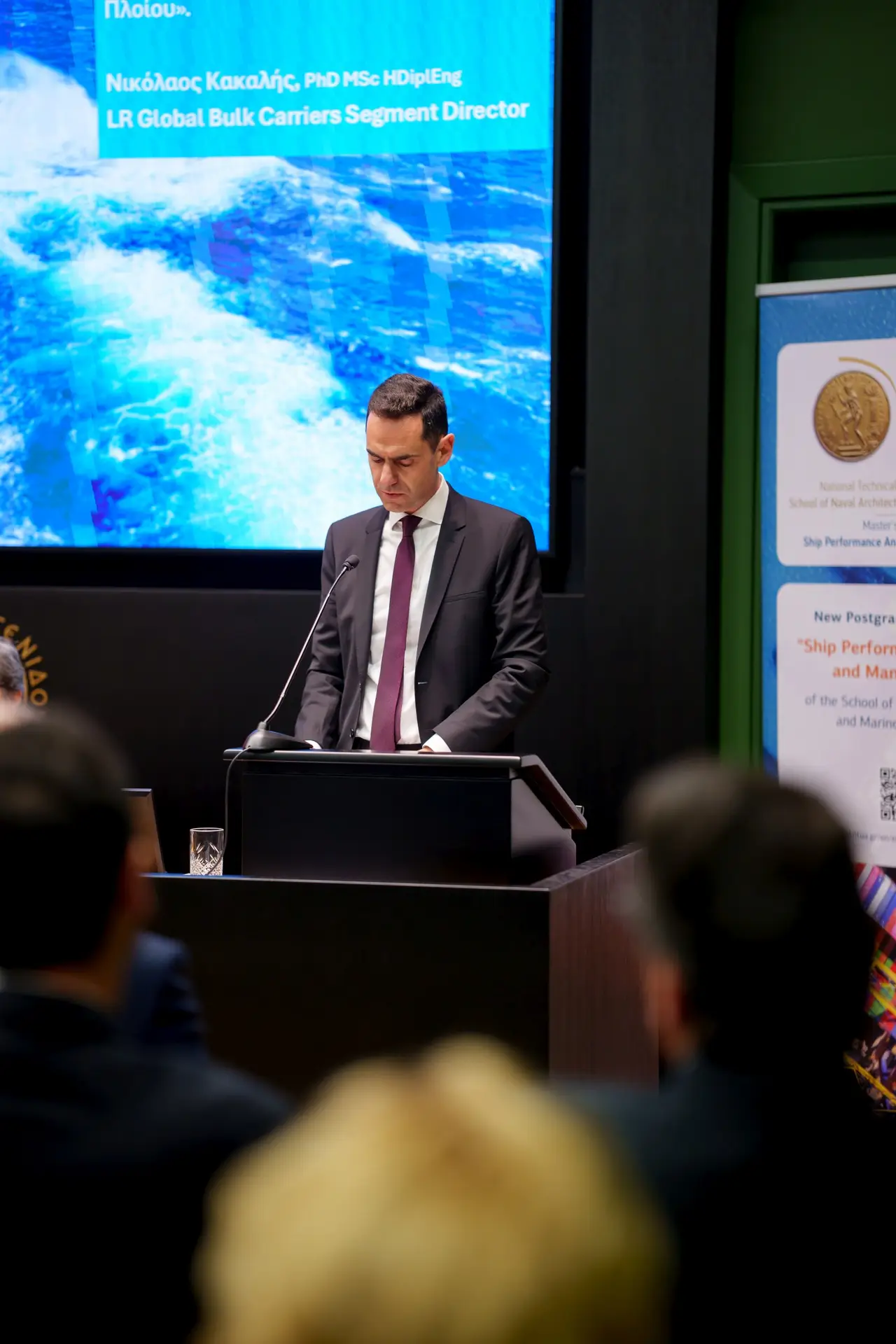
Greetings were delivered by:
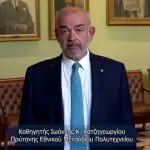
- the Rector of NTUA, Professor Ioannis Chatzigeorgiou,
- the Deputy Regional Governor of Northern Athens, Ms. Margarita Varsou,
- the Vice Rector for Finance, Infrastructure and Development, Professor Nikolaos Lagaros,
- Professor Evangelos Sapountzakis, member of the NTUA Board of Directors,
- the Dean of the School of Rural, Surveying & Geoinformatics Engineering (SATM-MG), Professor Maria Tsakiri, and
- Professor Charalampos Ioannidis, former Dean of the School
Significant contributions were made by Ms. Elpiniki Vogiatzis, Head of the NTUA Technical Services Directorate, Mr. Athanasios Paliatsos, representative of the Telecommunications and Postal Services Directorate of the Ministry of Digital Governance, and Mr. Manolis Mylonakis from the Hellenic Space Centre.
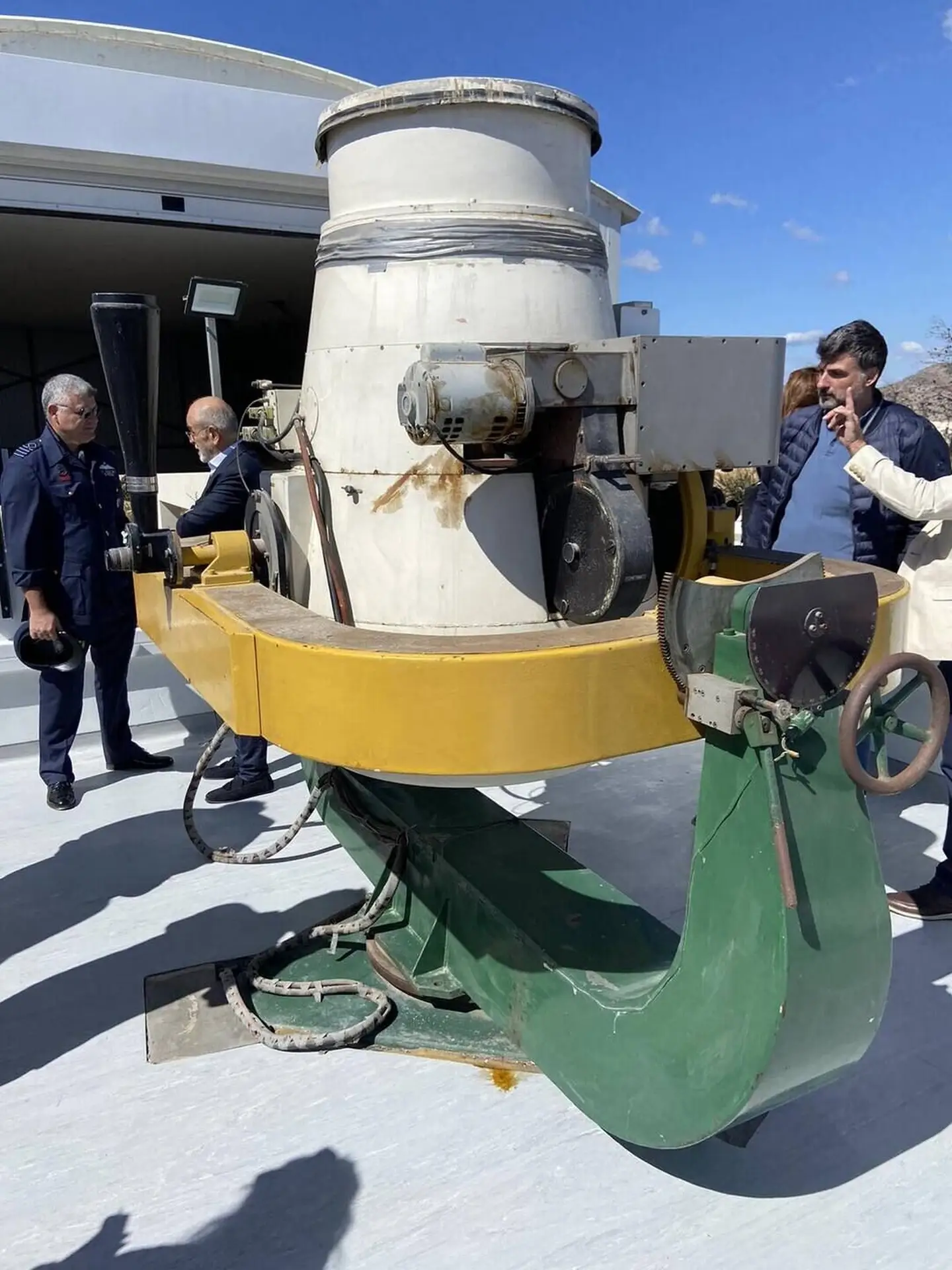
Special mention was made of the long-standing collaboration with the National Observatory of Athens (NOA). Within the framework of this collaboration, NOA is fully funding the upgrade of the historic Baker-Nunn camera through the Project “SUB7. National Observatory of Athens”. The reactivation of the camera will enable participation in the European telescope network, opening new possibilities for observation and research.
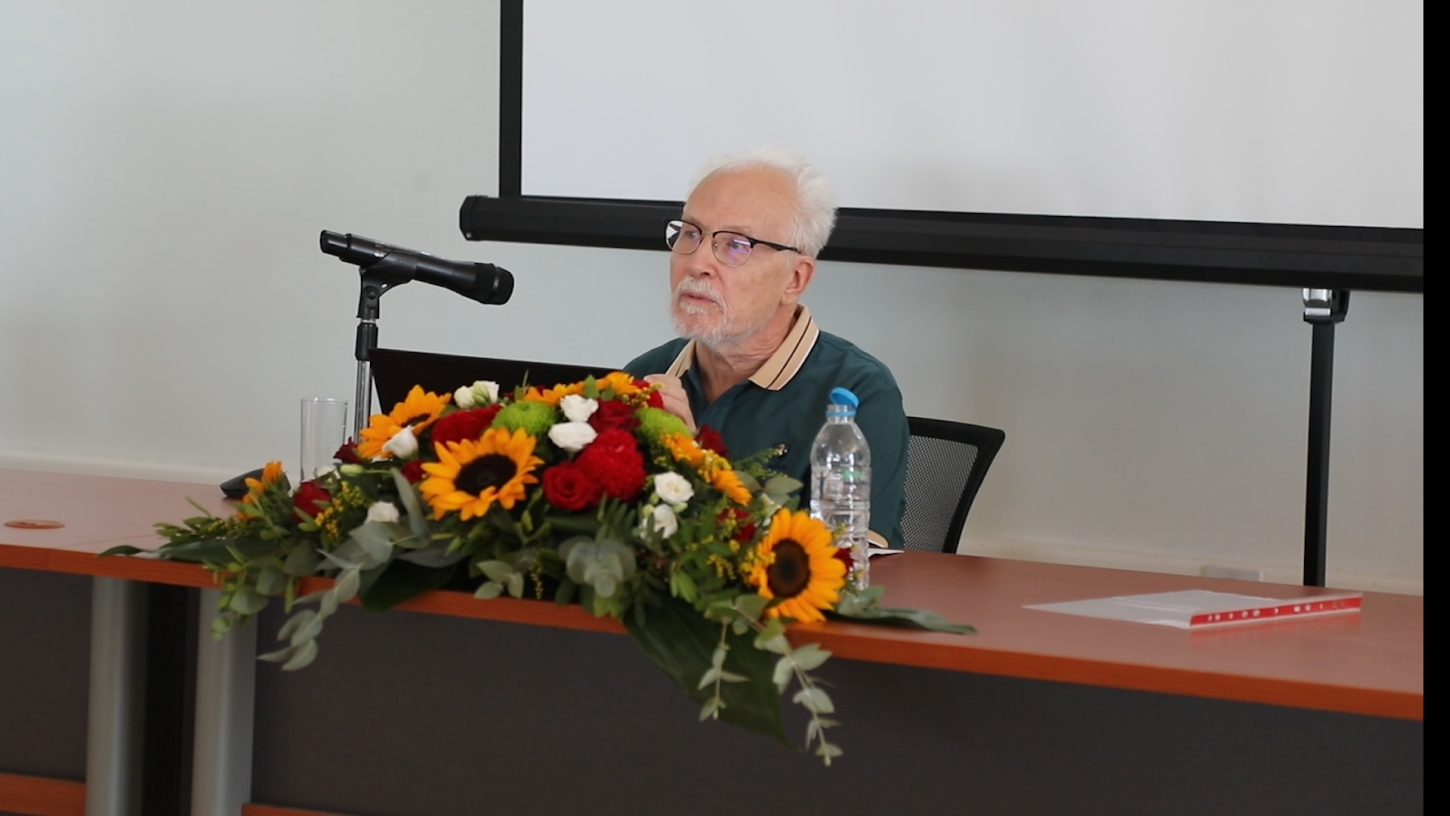
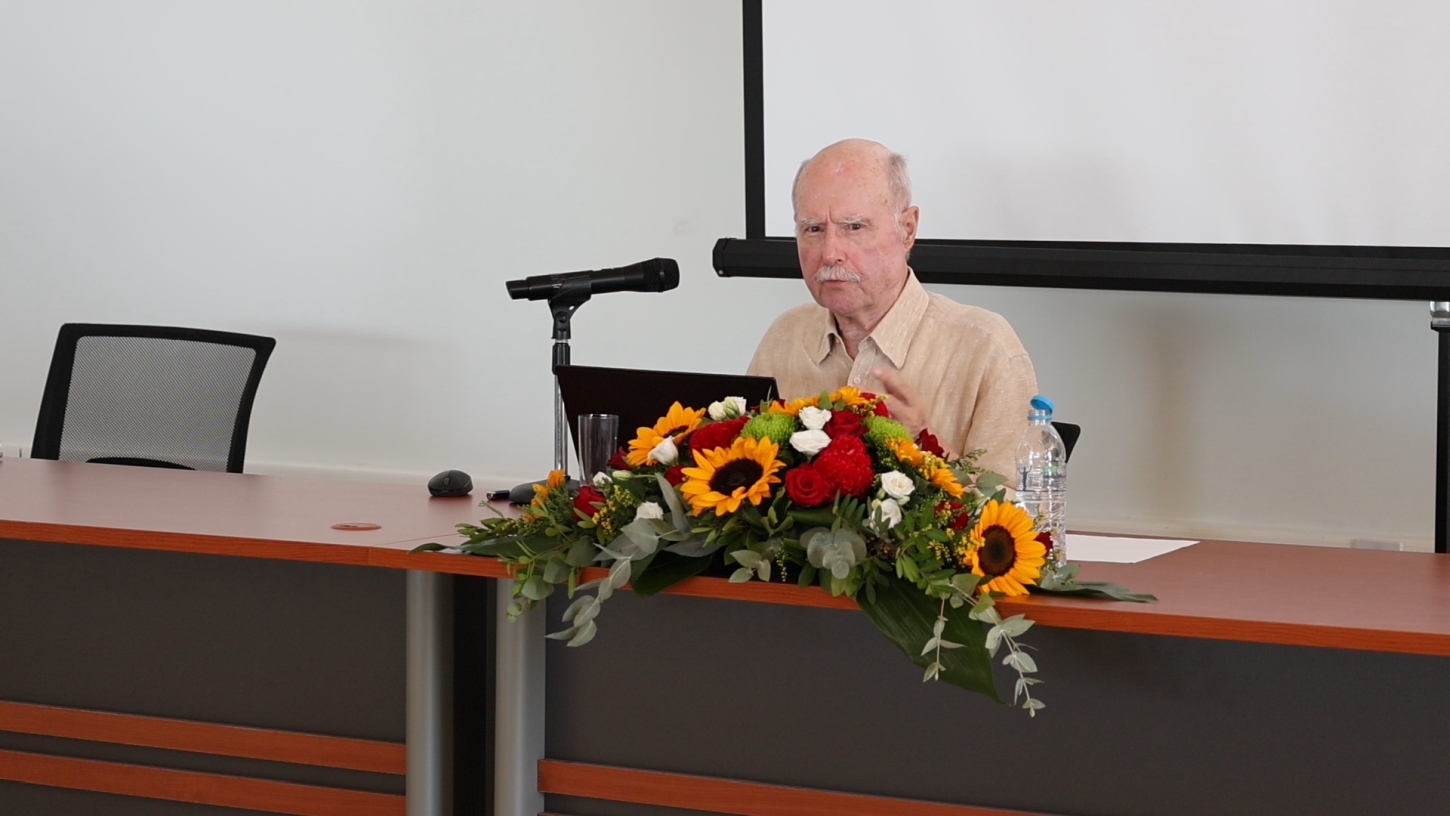
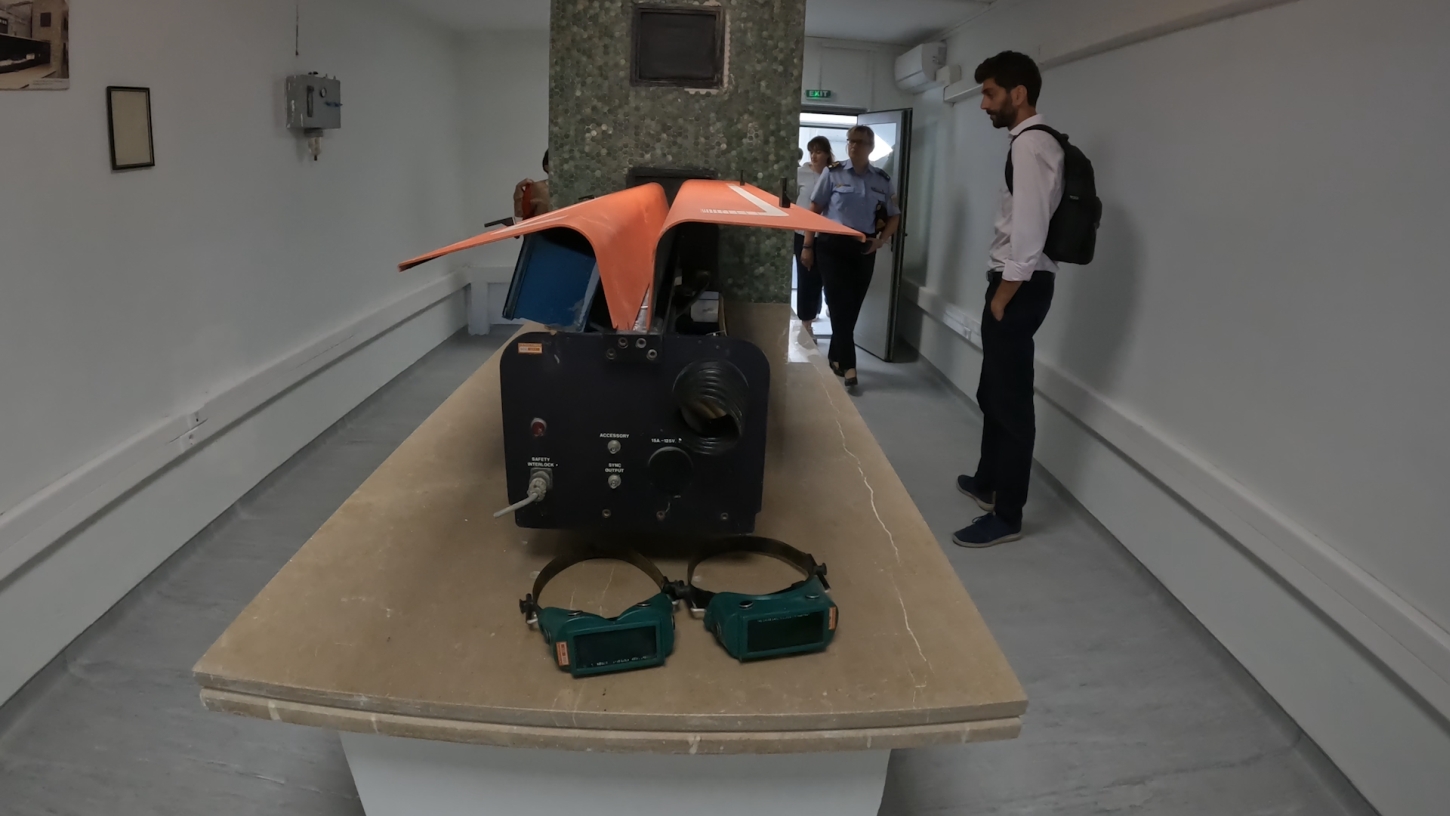
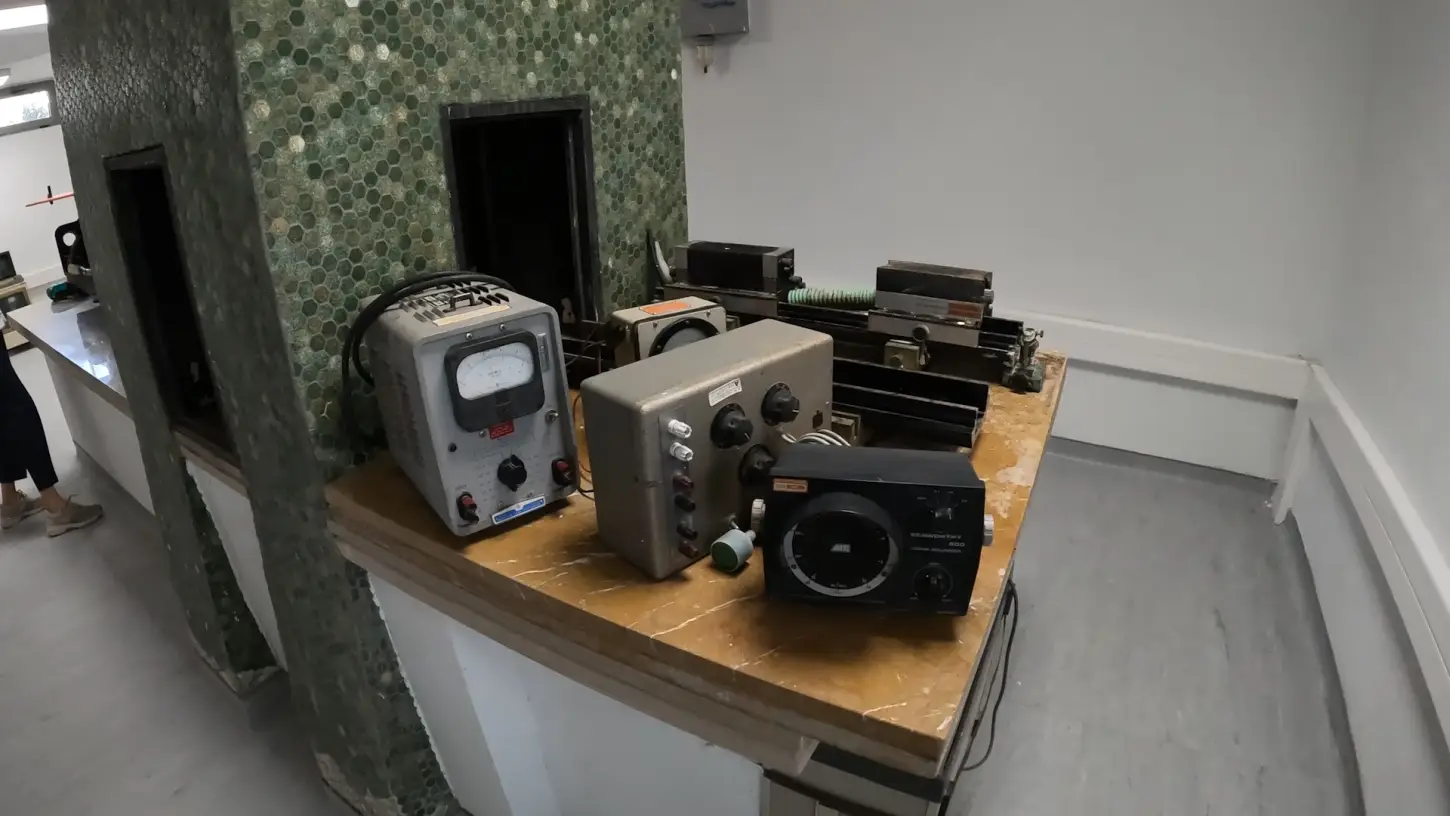
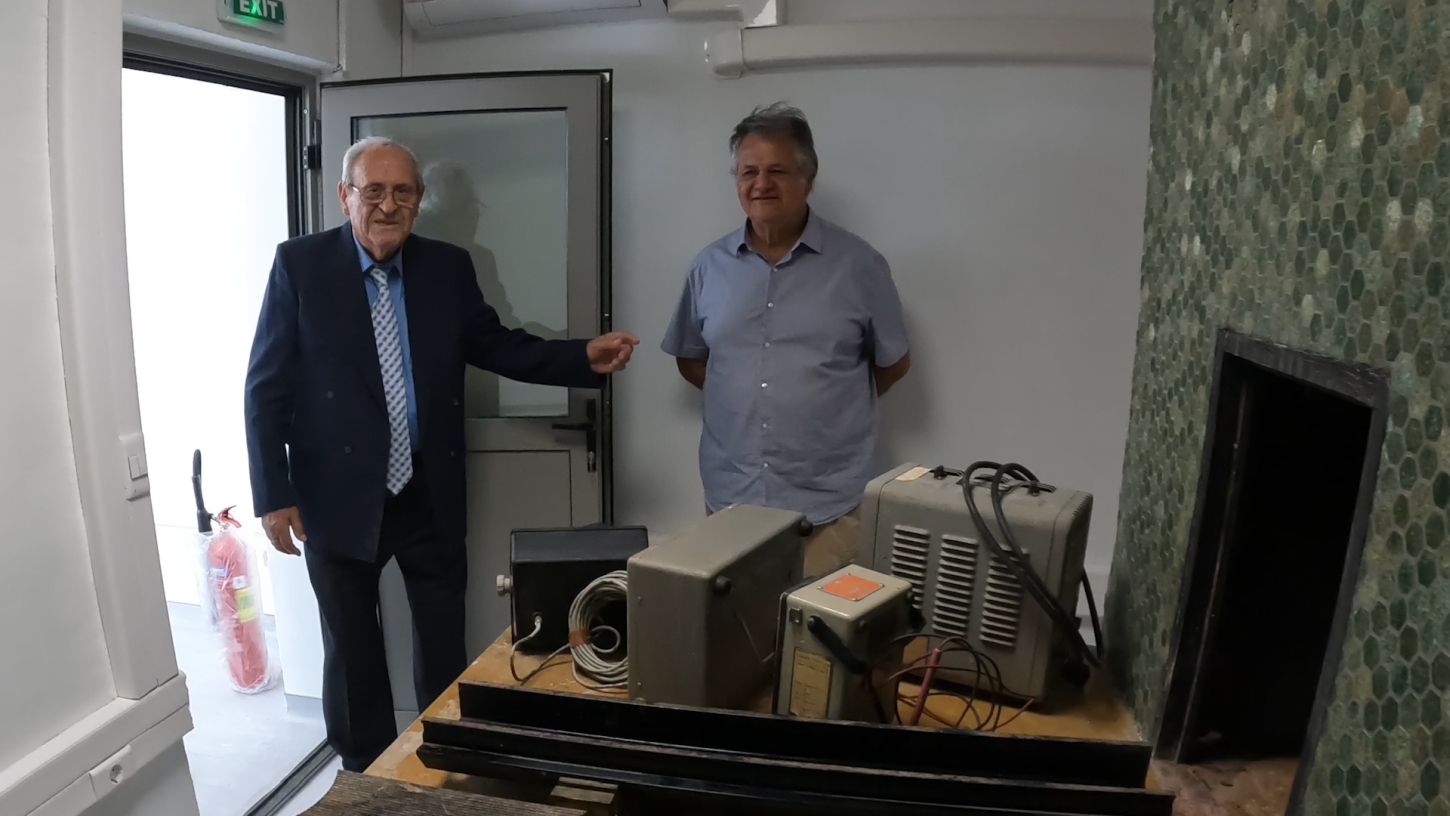
The event included a guided tour of the exhibition of historic instruments and scientific lectures by distinguished academics: Emeritus Professors D.D. Balodimos, Ch. Billiris, and R. Korakitis, as well as SATM-MG alumnus and researcher E. Pavlis from the University of Maryland–Baltimore County.
The upgrade of the Dionysos Satellite Observatory reinforces NTUA’s strategic mission in the field of space geodesy, broadening research capabilities in cutting-edge areas. It supports NTUA’s role as an open space for science, with modern infrastructure for educational programmes, summer schools, and international conferences, making a meaningful contribution to the promotion of collaboration both in Greece and internationally. It also paves the way for participation in the National Space Programme, including the Microsatellite Programme, in which the SATM-MG School is already actively involved.
A Few Words About the NTUA Dionysos Satellite Observatory
The Dionysos Satellite Observatory (DSO) of the National Technical University of Athens, founded in the late 1960s by Professor GeorgiosVeis, is today one of the most historic and contemporary centres for education and research in satellite geodesy and its applications.
Built on the northeastern slopes of Penteli, on a 35-acre site, the DSO possesses facilities unique in Greece: it collects and processes satellite data (GPS/GNSS) daily from a permanent network of 14 stations across the country and the wider region, producing high-precision geodetic products used in both scientific research and public services. The facilities also enable satellite tracking using advanced electronic systems as well as optical methods, such as the historic Baker-Nunn camera.
The DSO serves as a training centre for young scientists in the fields of geodesy, reference systems, seismic and tectonic geodesy, satellite orbit analysis, and satellite altimetry.
Beyond its academic role, it has made an active contribution to society over 60 years of operation, providing reliable data in real time during critical events. Most recently it participated with measurements and analyses during the seismic activity on Santorini and in the geodynamic deformations at Voutes, Heraklion, supporting civil protection efforts and public information.