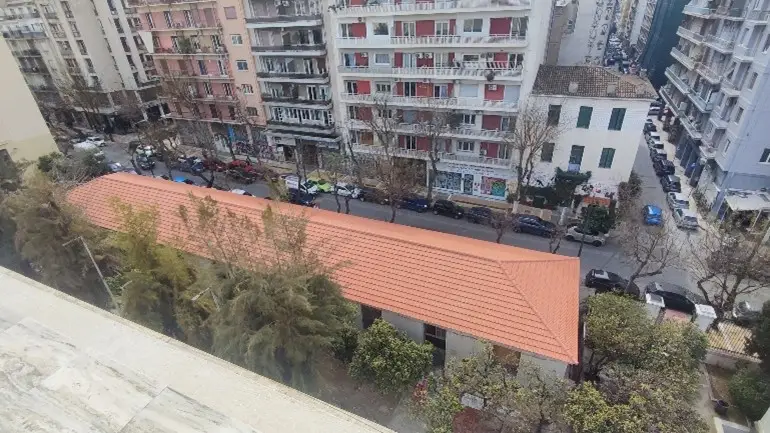
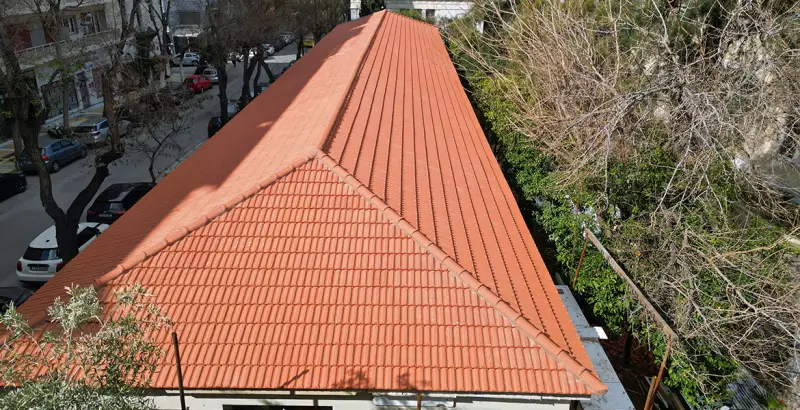
Works for the complete restoration of the wooden roof of the “Plastic Arts – Painting” building in the historical complex of NTUA on Patission Street have been completed.
This particular historical building, with a floor area of 392.6 square metres and part of NTUA’s great heritage, was constructed approximately 120 years ago and was unlawfully occupied for 29 consecutive years prior to its evacuation and the termination of the occupation. Before the occupation, which dates back to 1995, it housed the eponymous workshops, and its spaces were used by distinguished Professors of the NTUA School of Architecture and the Athens School of Fine Arts.
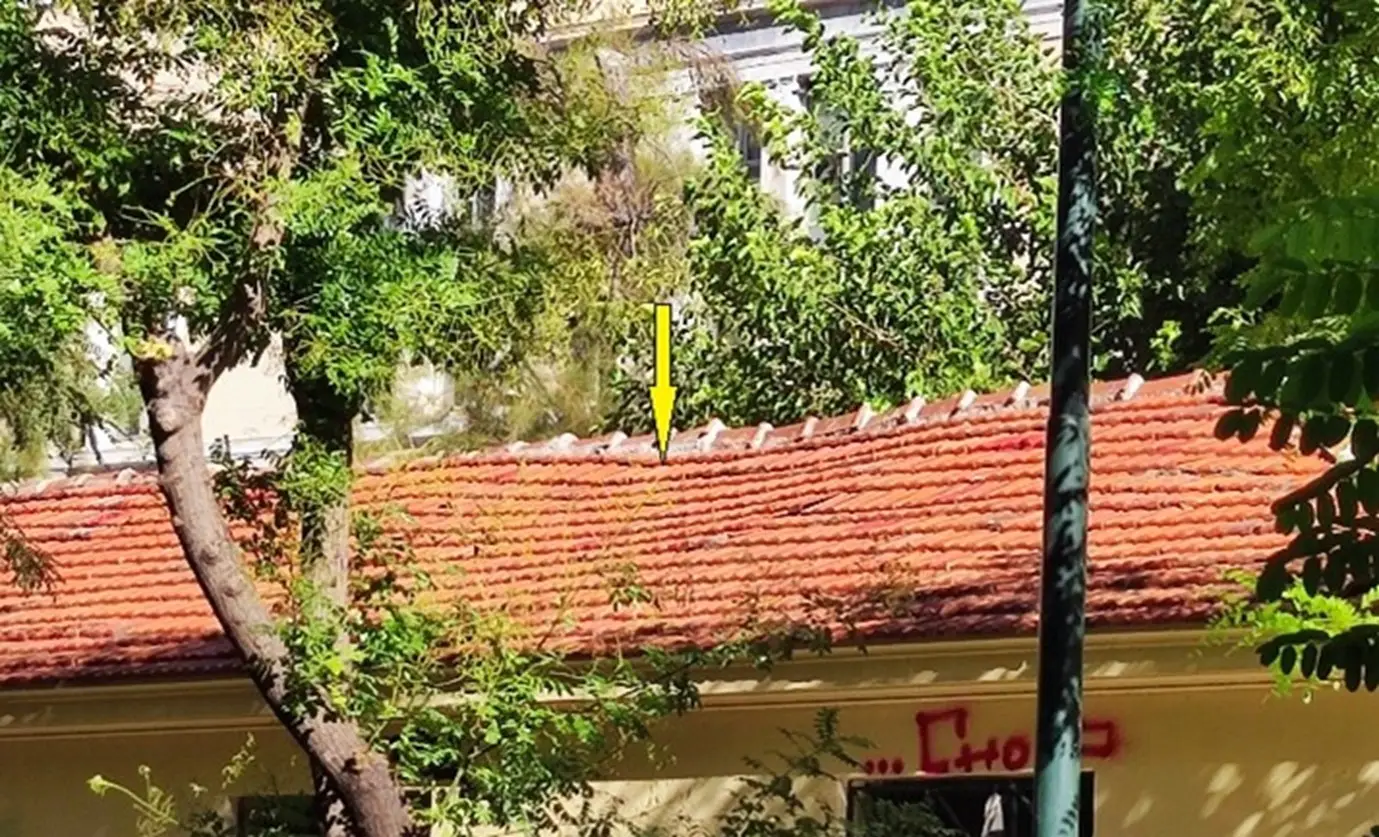
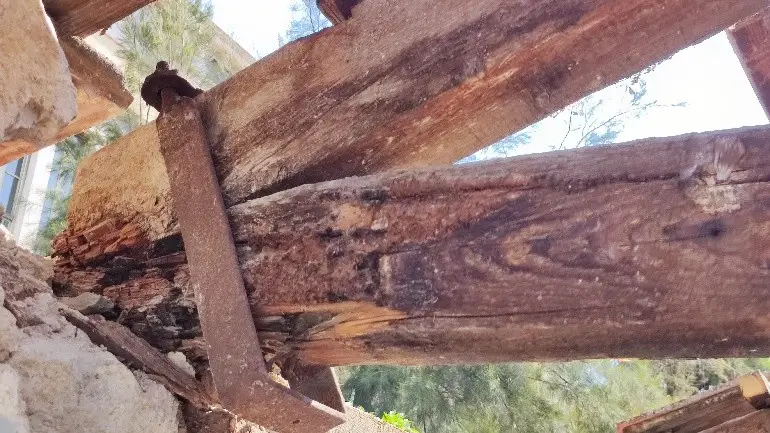
Upon the termination of the unlawful occupation, the unacceptable and highly problematic condition in which the building had been left for 29 years became apparent. Walls — both internal and external — covered in graffiti, damaged doors, electrical panels with uncontrolled interventions by unknown individuals, with no access available to NTUA’s Technical Services, visible signs of fire in the mezzanine, burned areas and fittings, and missing roof tiles were only some of the findings. The most serious problem was identified in the false ceiling and the roof, which were at risk of collapse, and for this reason the urgent repair of the roof was set as an immediate priority.
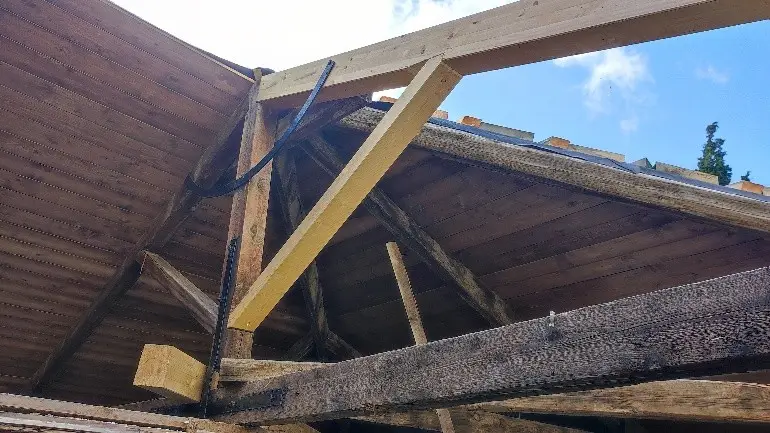
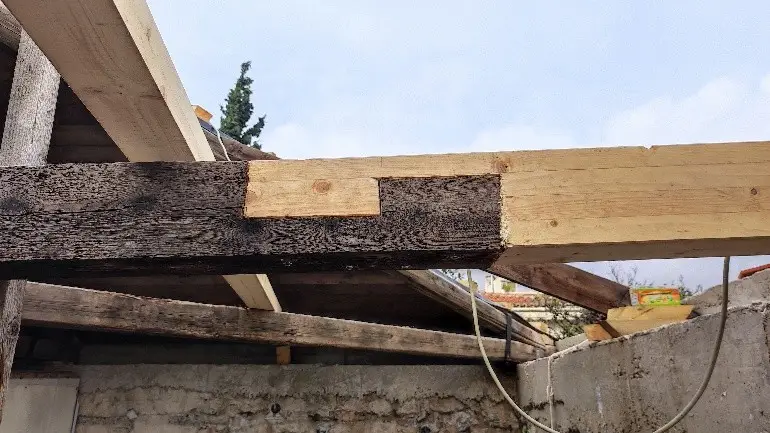
For the implementation of the project, a specialist restoration study was prepared by the Directorate of Technical Services in cooperation with academic staff of the School of Architecture. The study included a comprehensive structural investigation of the entire building, taking into account the interaction between the roof and the load-bearing structure. The interventions were designed with the aim of restoring the load-bearing capacity of the roof and improving the overall seismic behaviour of the building. Instead of demolishing and fully replacing the roof, the decision was taken to preserve and restore it, in respect of the building’s historical character and the architectural and educational tradition of the Institution. The intervention was carried out using modern techniques for the restoration and strengthening of structural elements, drawing on the Institution’s scientific knowledge and experience in comparable projects. The study was unanimously approved by the Central Council for Modern Monuments (CCSM).
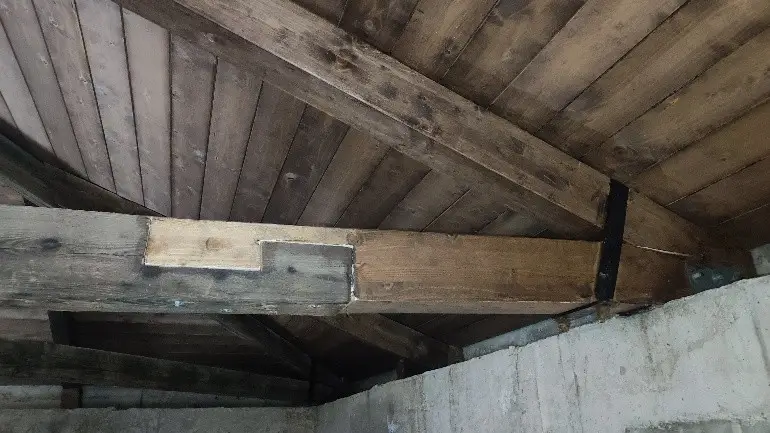
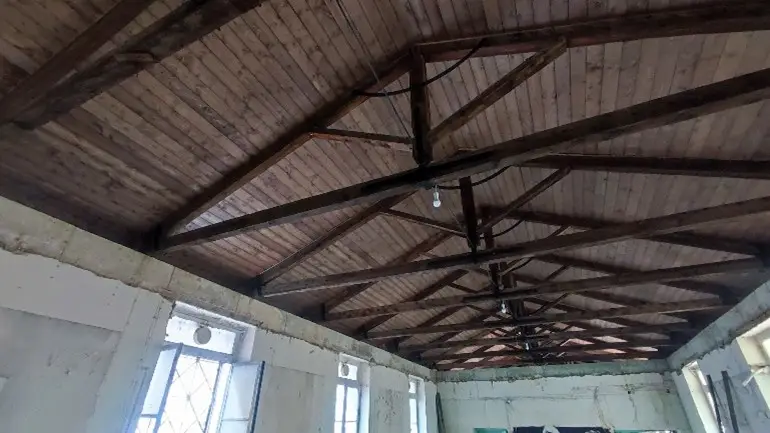
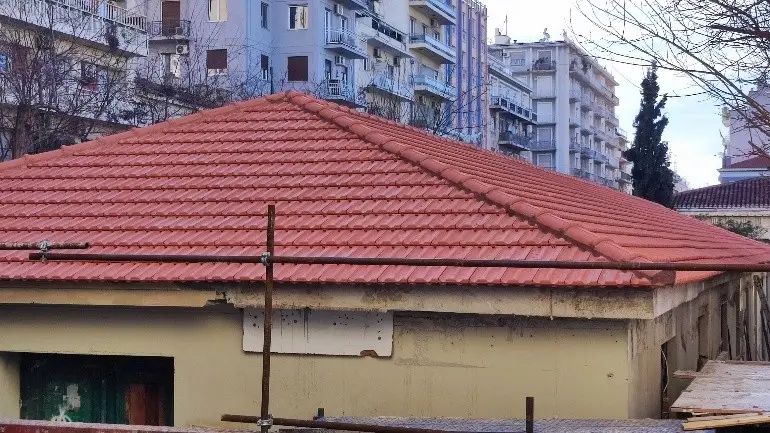
As part of the works, the existing metal lath false ceiling — a later addition — was removed, also with the approval of the Directorate for the Protection and Restoration of Contemporary and Modern Monuments, and damage to the individual elements of the wooden trusses was repaired with reinforcement of their joints. In addition, a new perimeter reinforced concrete ring beam was constructed at the crown of the load-bearing walls, to which the trusses were connected, ensuring their interaction with the load-bearing structure. The roof was covered with French-type tiles, combined with a waterproofing and thermal insulation system. At the same time, the decision was taken to preserve the visibility of the wooden roof in the interior space, without constructing a new false ceiling, thereby highlighting its structural composition.
Representative photographic material