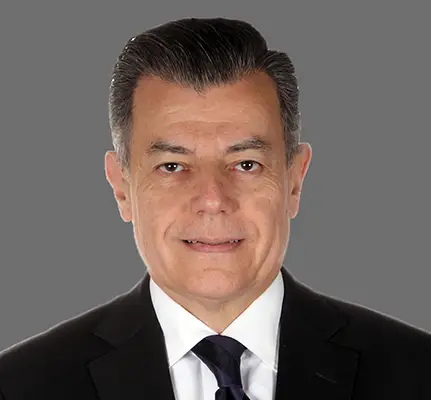
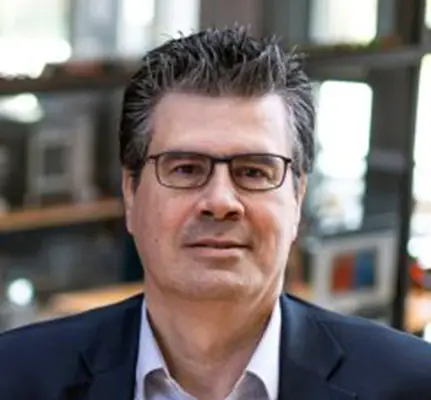
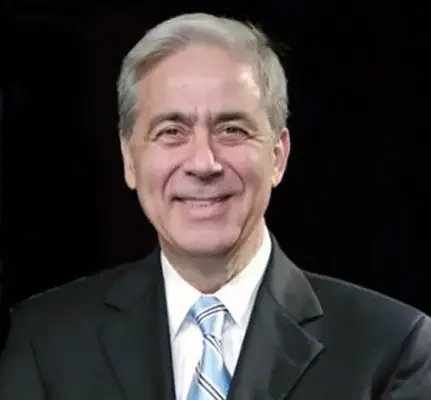
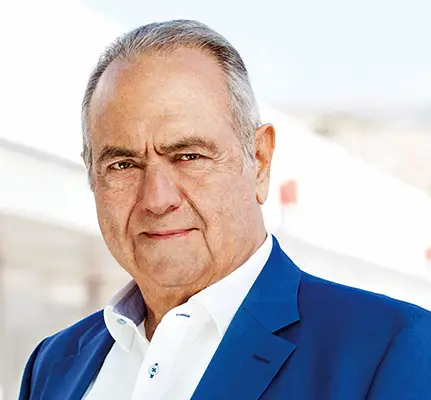
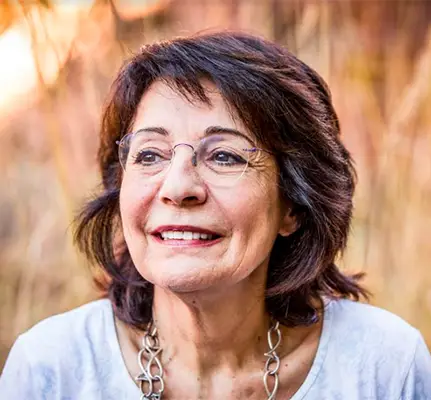
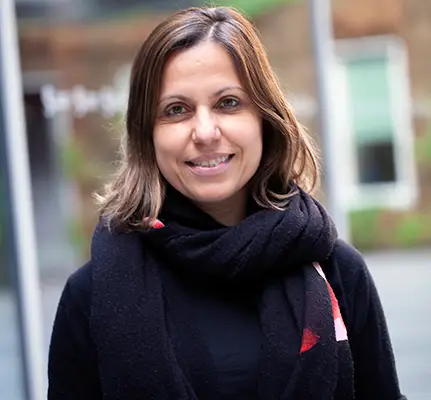
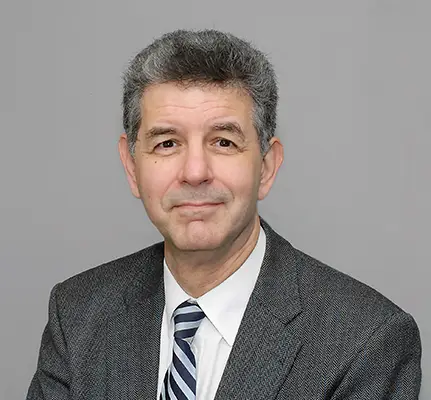
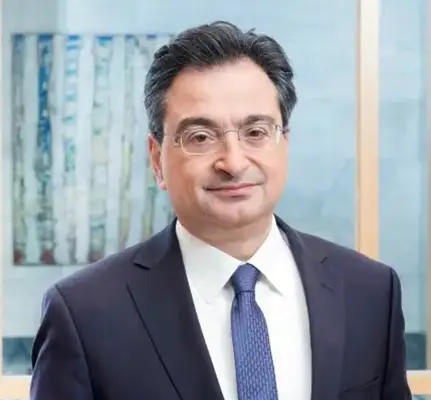
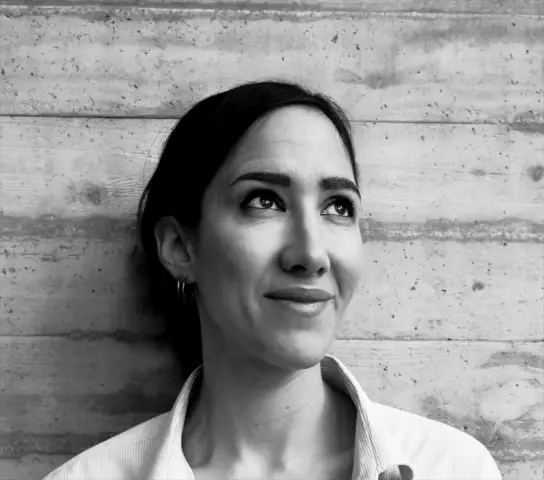
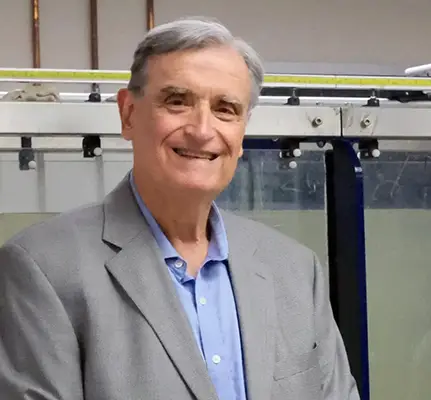
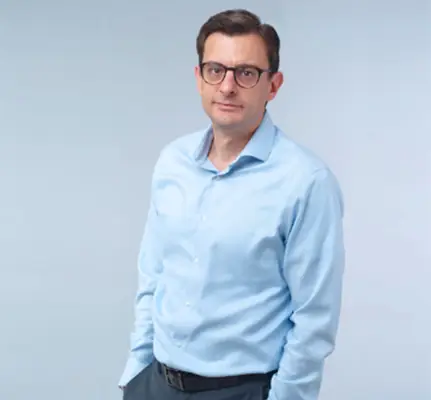
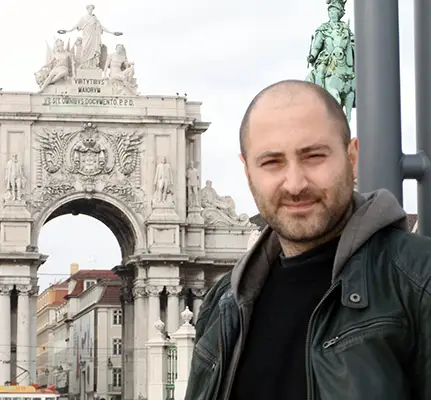
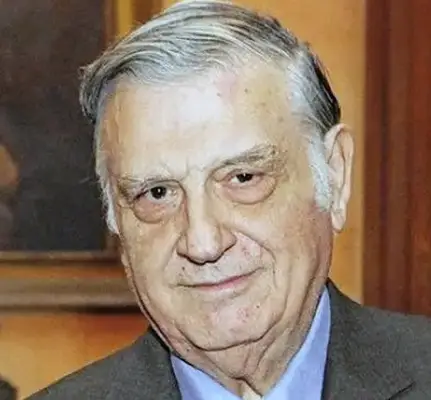
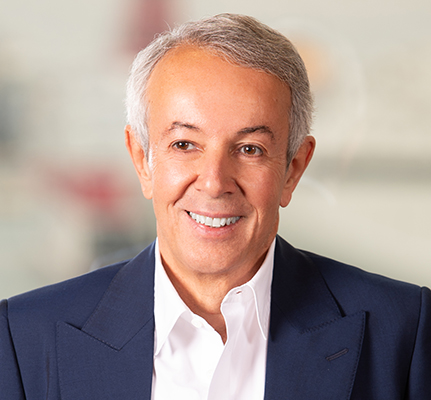
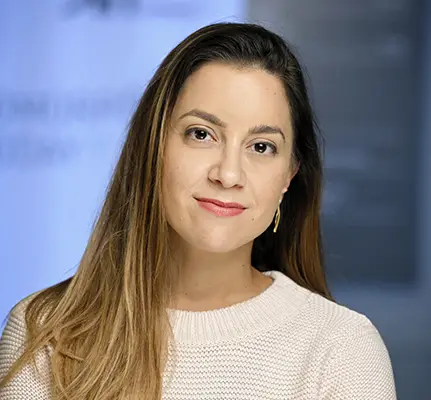
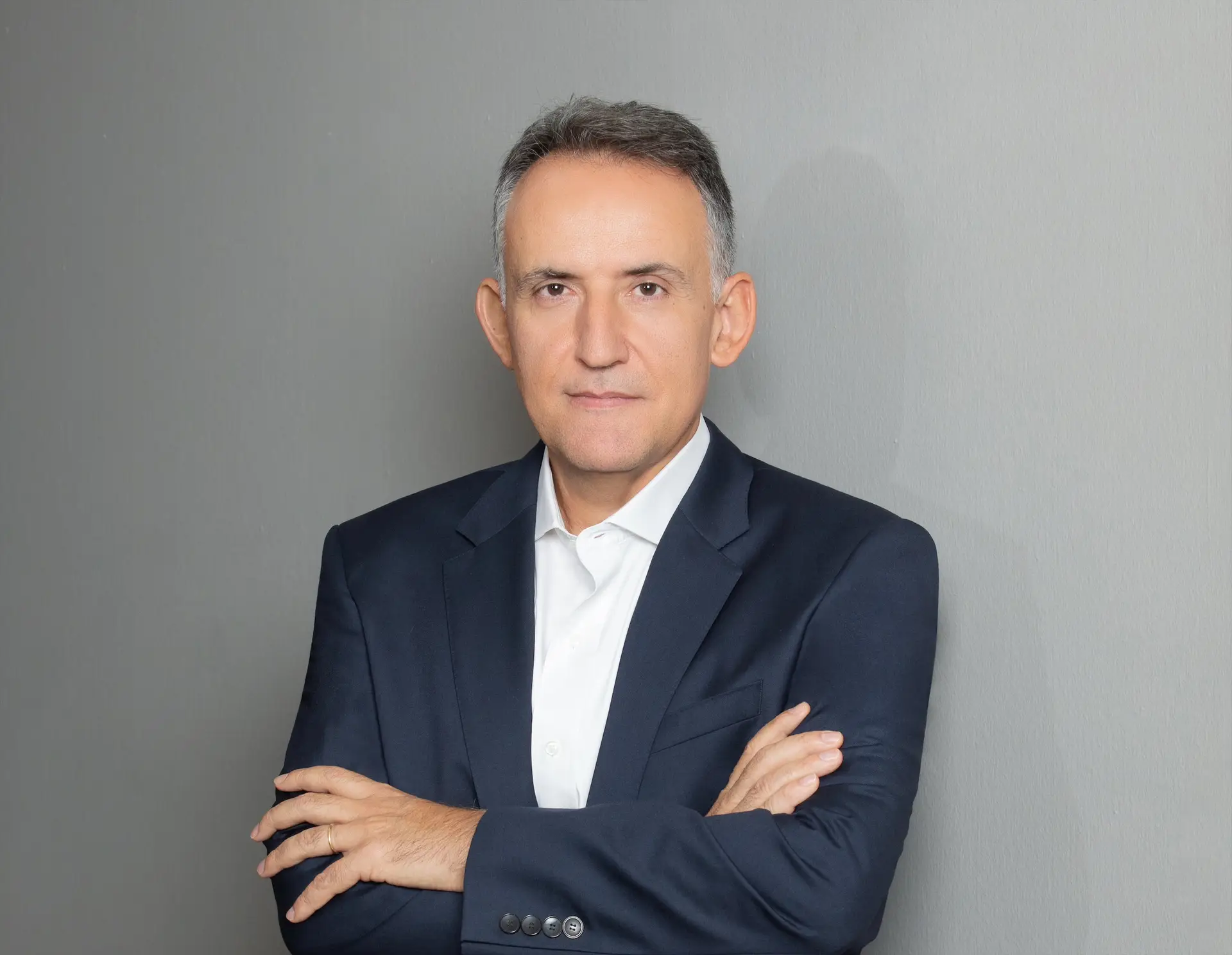
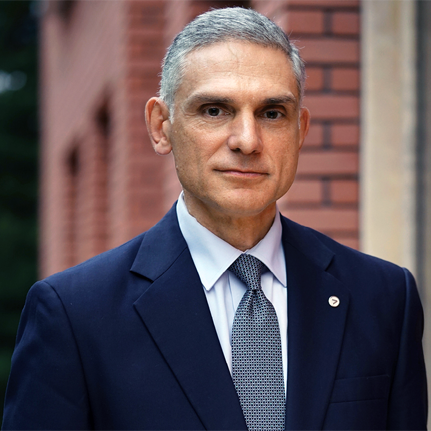
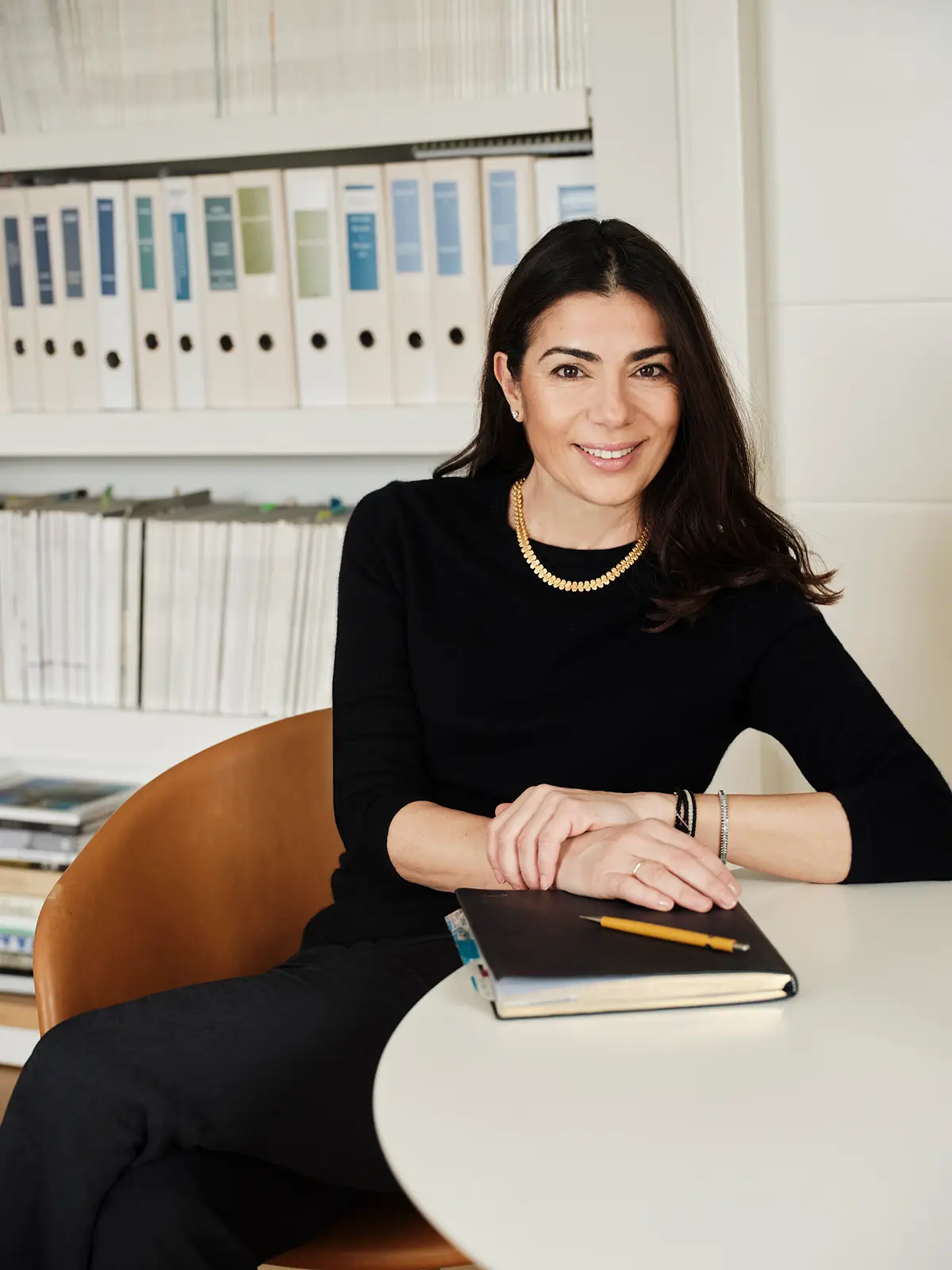
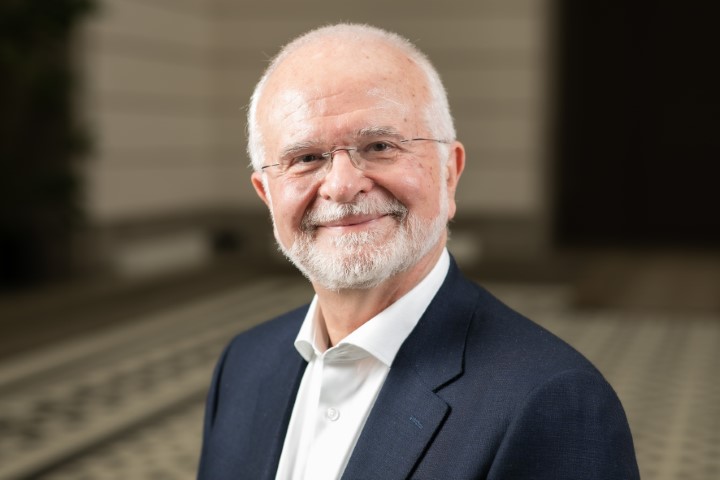
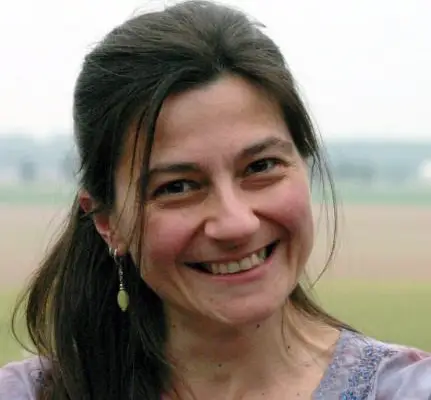
Anna Stefanopoulou
- William Clay Ford Professor of Technology, Professor of Mechanical Engineering, University of Michigan
- School of Naval Architecture and Marine Engineering
The years I studied at NTUA were special, carefree, yet also filled with intensive studying during examination periods. My department was very small — the School of Naval Architecture and Marine Engineering. There were only 55 of us, so within a few months we all knew one another, and our professors knew us personally as well.
There were only five women in the School, and we bonded immediately — partly because of situations such as the fact that our building on Patission Street at the time had no decent women’s toilets, and we had to go to the Civil Engineering or Architecture buildings, or borrow the key to the toilet used by the department’s administrative staff (mostly women).
During the first three years I worked at a private tutoring centre, so I did not attend many lectures and mainly showed up for examinations. During the last two years, however, I missed no class and was literally living in our new building at the Zografou Polytechnic Campus, where all the experimental and computational laboratories were located.
I had a particularly distinctive experience and education in Naval Engineering, where I spent the greater part of my final year conducting research and writing my diploma thesis on the automated calculation and visualisation of machinery arrangements in the engine rooms of fishing vessels.
I worked using my supervisor’s computer, right there in his office; listening to his conversations with other professors — on both technical and administrative matters — opened my eyes. That is when I realised I wanted to continue in research. I could see how creative and engaging the lives and work of my professors were, compared with my parents’ experience as civil servants (routine and rigidity).
So I took the risk and applied for graduate studies at the University of Michigan. My diploma thesis supervisor, Professor Ioannidis, wrote me a letter of recommendation, and I was awarded a research position in GPS-assisted navigation on the Great Lakes. As I was completing my master’s thesis, the automotive industry was focusing on emissions control, and this fascinating field drew me in; I joined Ford Research Laboratories. That experience led to my doctorate in Electrical Engineering, with contributions to real-time optimised control of engines and exhaust aftertreatment systems.
As a Professor, I redirected my research towards hydrogen fuel cells and lithium-ion batteries.
I would like to close by emphasising how the education I received at NTUA and my department’s culture of engagement with industry gave me the academic skills and work ethic that have defined my career.

Alumni
-
Giannis Alavanos
-
Thomas Acheimastos
-
Ioannis Ventikos
-
Emmanouel Gdoutos
-
† Giorgos Gerardos
-
Giannis Giortsos
-
Maria Damanaki
-
Katerina Daskalaki
-
Giorgos Deodatis
-
Vasilis Dimos
-
Eleni Diamanti
-
Thalia Zariphopoulou
-
Dimitris Theodosiou
-
Theodoros N. Theodorou
-
Fokion Karavias
-
Dafni Karaiskaki
-
Spyros Kinnas
-
Efstratios Kechagias
-
Panagiotis Kokkalis
-
Antonis Kounadis
-
Ioannis Koustas
-
Fani Kostourou
-
Giannis Maniatis
-
Anastasios Manos
-
Eirini Eleni Markantanatou
-
Dionysios S. Balodimos
-
Michalis M. Bernitsas
-
Dimitris Bertsimas
-
Dimitrios Papastergiou
-
Giannis Papachristou
-
Errikos Pavlis
-
Asimina Pelegri
-
Giorgos Polychroniou
-
Kyriakos Sabatakakis
-
Kostantza Sbokou-Konstantakopoulou
-
Theodoros Stathopoulos
-
Giorgos Stefanopoulos
-
Anna Stefanopoulou
-
Fotis Sotiropoulos
-
Theodosios Tasios
-
Michalis Triantafyllou
-
Georgios Tsatsaronis
-
Spyros Chatzifotis
Anna Stefanopoulou
- William Clay Ford Professor of Technology, Professor of Mechanical Engineering, University of Michigan
- School of Naval Architecture and Marine Engineering
The years I studied at NTUA were special, carefree, yet also filled with intensive studying during examination periods. My department was very small — the School of Naval Architecture and Marine Engineering. There were only 55 of us, so within a few months we all knew one another, and our professors knew us personally as well.
There were only five women in the School, and we bonded immediately — partly because of situations such as the fact that our building on Patission Street at the time had no decent women’s toilets, and we had to go to the Civil Engineering or Architecture buildings, or borrow the key to the toilet used by the department’s administrative staff (mostly women).
During the first three years I worked at a private tutoring centre, so I did not attend many lectures and mainly showed up for examinations. During the last two years, however, I missed no class and was literally living in our new building at the Zografou Polytechnic Campus, where all the experimental and computational laboratories were located.
I had a particularly distinctive experience and education in Naval Engineering, where I spent the greater part of my final year conducting research and writing my diploma thesis on the automated calculation and visualisation of machinery arrangements in the engine rooms of fishing vessels.
I worked using my supervisor’s computer, right there in his office; listening to his conversations with other professors — on both technical and administrative matters — opened my eyes. That is when I realised I wanted to continue in research. I could see how creative and engaging the lives and work of my professors were, compared with my parents’ experience as civil servants (routine and rigidity).
So I took the risk and applied for graduate studies at the University of Michigan. My diploma thesis supervisor, Professor Ioannidis, wrote me a letter of recommendation, and I was awarded a research position in GPS-assisted navigation on the Great Lakes. As I was completing my master’s thesis, the automotive industry was focusing on emissions control, and this fascinating field drew me in; I joined Ford Research Laboratories. That experience led to my doctorate in Electrical Engineering, with contributions to real-time optimised control of engines and exhaust aftertreatment systems.
As a Professor, I redirected my research towards hydrogen fuel cells and lithium-ion batteries.
I would like to close by emphasising how the education I received at NTUA and my department’s culture of engagement with industry gave me the academic skills and work ethic that have defined my career.
Anna Stefanopoulou
- William Clay Ford Professor of Technology, Professor of Mechanical Engineering, University of Michigan
- School of Naval Architecture and Marine Engineering
The years I studied at NTUA were special, carefree, yet also filled with intensive studying during examination periods. My department was very small — the School of Naval Architecture and Marine Engineering. There were only 55 of us, so within a few months we all knew one another, and our professors knew us personally as well.
There were only five women in the School, and we bonded immediately — partly because of situations such as the fact that our building on Patission Street at the time had no decent women’s toilets, and we had to go to the Civil Engineering or Architecture buildings, or borrow the key to the toilet used by the department’s administrative staff (mostly women).
During the first three years I worked at a private tutoring centre, so I did not attend many lectures and mainly showed up for examinations. During the last two years, however, I missed no class and was literally living in our new building at the Zografou Polytechnic Campus, where all the experimental and computational laboratories were located.
I had a particularly distinctive experience and education in Naval Engineering, where I spent the greater part of my final year conducting research and writing my diploma thesis on the automated calculation and visualisation of machinery arrangements in the engine rooms of fishing vessels.
I worked using my supervisor’s computer, right there in his office; listening to his conversations with other professors — on both technical and administrative matters — opened my eyes. That is when I realised I wanted to continue in research. I could see how creative and engaging the lives and work of my professors were, compared with my parents’ experience as civil servants (routine and rigidity).
So I took the risk and applied for graduate studies at the University of Michigan. My diploma thesis supervisor, Professor Ioannidis, wrote me a letter of recommendation, and I was awarded a research position in GPS-assisted navigation on the Great Lakes. As I was completing my master’s thesis, the automotive industry was focusing on emissions control, and this fascinating field drew me in; I joined Ford Research Laboratories. That experience led to my doctorate in Electrical Engineering, with contributions to real-time optimised control of engines and exhaust aftertreatment systems.
As a Professor, I redirected my research towards hydrogen fuel cells and lithium-ion batteries.
I would like to close by emphasising how the education I received at NTUA and my department’s culture of engagement with industry gave me the academic skills and work ethic that have defined my career.
Alumni
-
Giannis Alavanos
-
Thomas Acheimastos
-
Ioannis Ventikos
-
Emmanouel Gdoutos
-
† Giorgos Gerardos
-
Giannis Giortsos
-
Maria Damanaki
-
Katerina Daskalaki
-
Giorgos Deodatis
-
Vasilis Dimos
-
Eleni Diamanti
-
Thalia Zariphopoulou
-
Dimitris Theodosiou
-
Theodoros N. Theodorou
-
Fokion Karavias
-
Dafni Karaiskaki
-
Spyros Kinnas
-
Efstratios Kechagias
-
Panagiotis Kokkalis
-
Antonis Kounadis
-
Ioannis Koustas
-
Fani Kostourou
-
Giannis Maniatis
-
Anastasios Manos
-
Eirini Eleni Markantanatou
-
Dionysios S. Balodimos
-
Michalis M. Bernitsas
-
Dimitris Bertsimas
-
Dimitrios Papastergiou
-
Giannis Papachristou
-
Errikos Pavlis
-
Asimina Pelegri
-
Giorgos Polychroniou
-
Kyriakos Sabatakakis
-
Kostantza Sbokou-Konstantakopoulou
-
Theodoros Stathopoulos
-
Giorgos Stefanopoulos
-
Anna Stefanopoulou
-
Fotis Sotiropoulos
-
Theodosios Tasios
-
Michalis Triantafyllou
-
Georgios Tsatsaronis
-
Spyros Chatzifotis