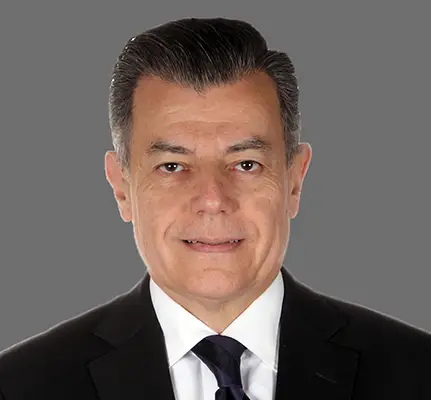
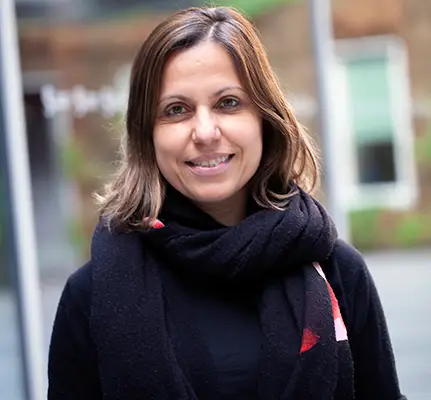
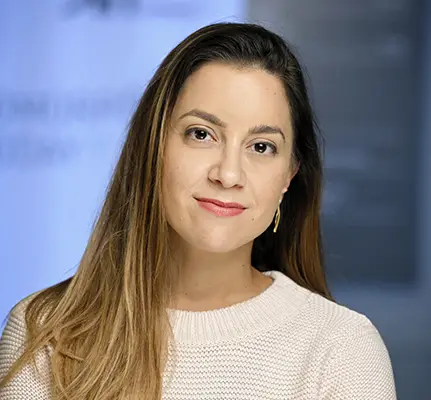
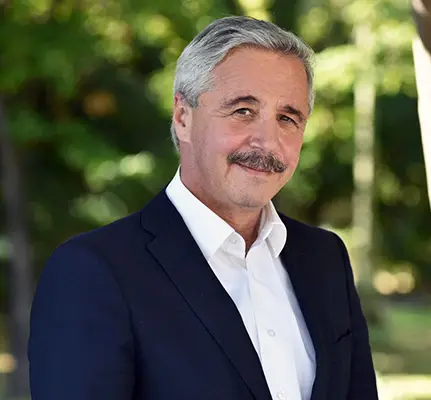
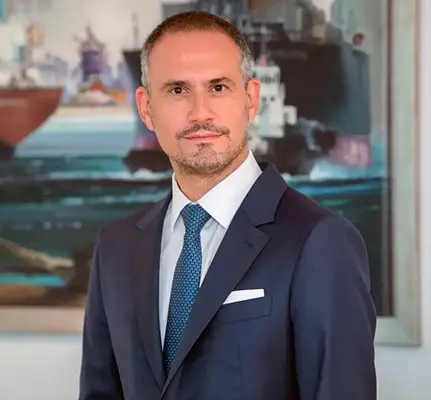
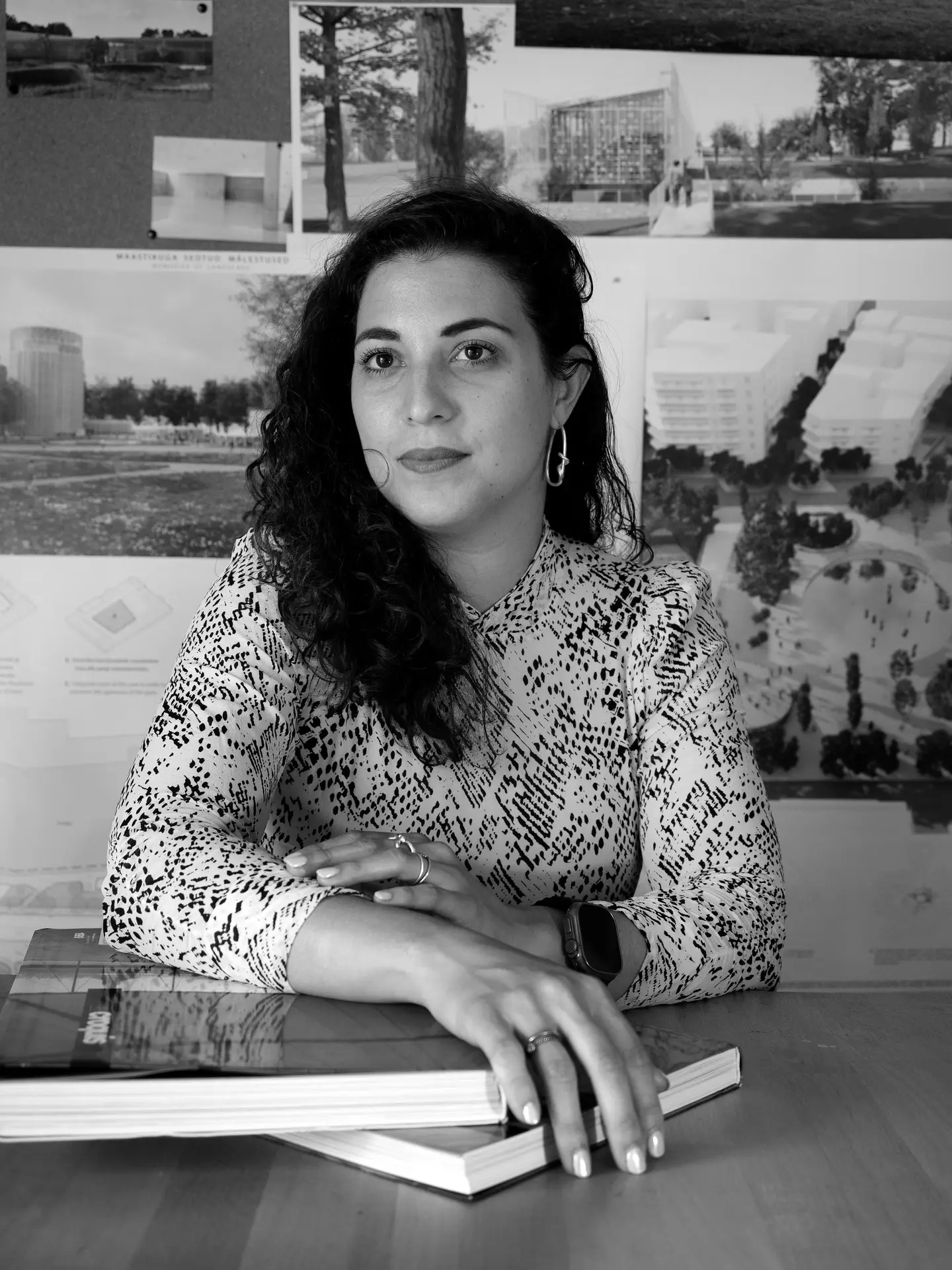
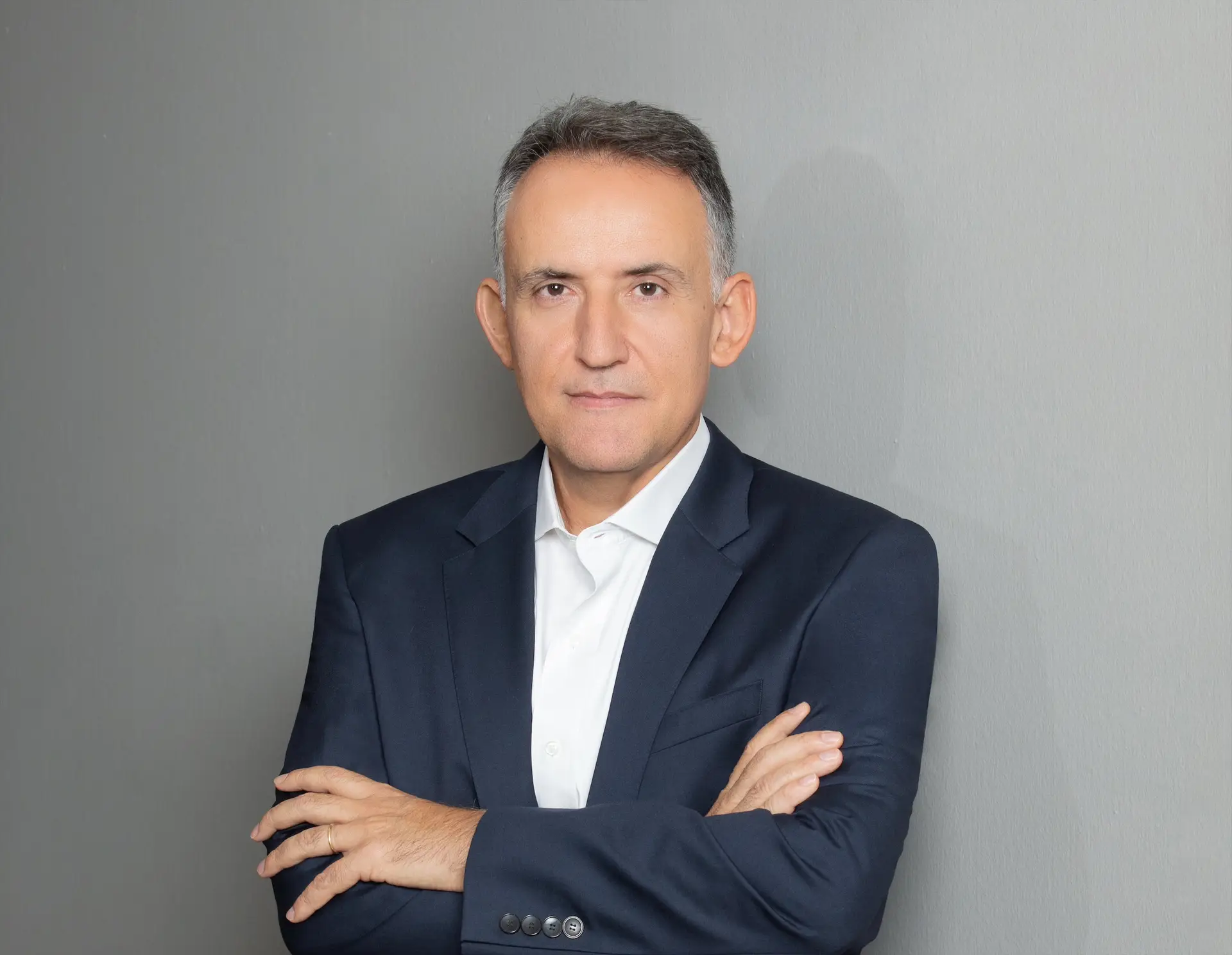
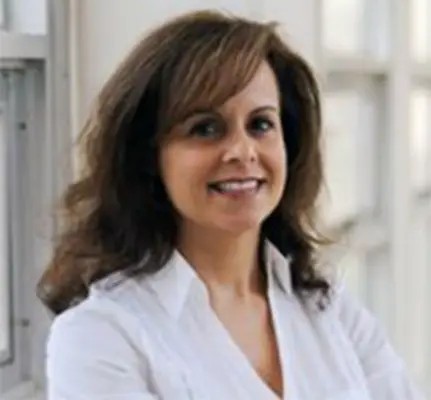
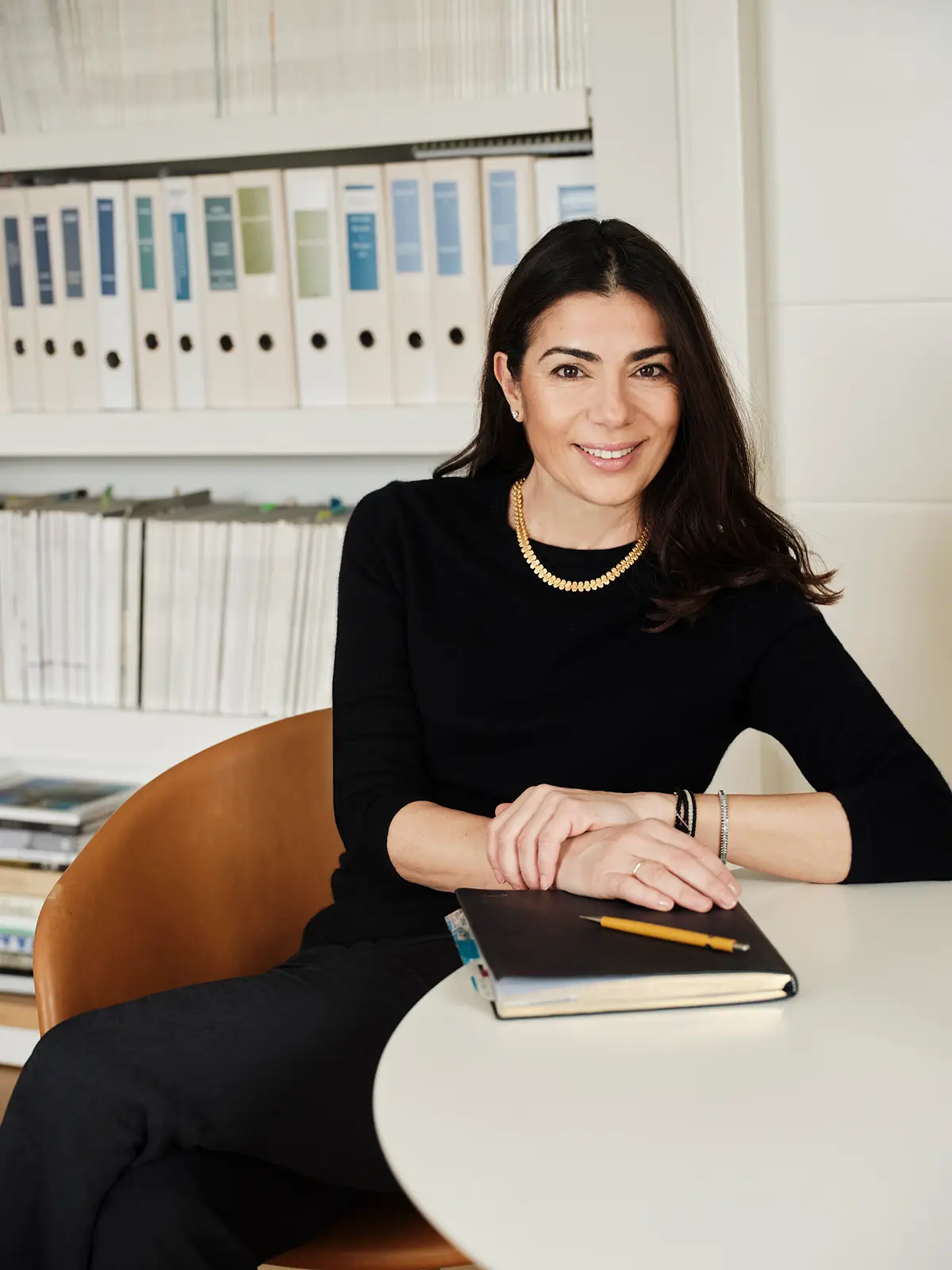
Maria Damanaki
- Former President of Synaspismos (Coalition of the Left and Progress); Special Adviser, Oceans5 (USA) and Rockefeller Brothers Foundation (USA)
- School of Chemical Engineering
When, at the age of 18, I filled in the university application form for the Panhellenic University Entrance Examinations, the Polytechnic was my first choice. Today, I still believe I was fortunate to have succeeded.
Of course, the Polytechnic suited me: it responded to my innate rationalism and love of numbers. But in the course of time I realised it gave me far more than a good education. It gave me the opportunity to encounter many brilliant minds who enriched me as a person, and above all it opened many windows that supported me decisively throughout my subsequent eventful journey. It equipped me with a method for organising my work and my life.
I have lived many lives. During the first — my youthful engagement in the anti-dictatorship resistance — studying at the Polytechnic helped me appreciate self-restraint, inner discipline, and action oriented towards results.
During my many years of presence in politics and Parliament, it helped me speak less, maintain steady goals, and remain as focused as possible on what was most important, even when this was accompanied by political cost.
As European Commissioner responsible for maritime affairs, I drew on the orientation of my studies towards the value of planning — programmatic, temporal, and spatial. The value of starting from clear scientific data, of weighing the common public interest against private interests, of bringing innovation into contact with real life and its needs.
When I worked in the United States for five years, directing the marine programme of The Nature Conservancy, I applied knowledge I had once considered secondary: business administration, the creation of benchmarks and models based on probability theory, and the financial valuation of the net position of companies and programmes.
And now, as I work as a climate adviser for major international organisations, I endeavour, as I was taught, to see the big picture, to choose what is essential, and to have the strength to set aside what is secondary — on the basis of numbers and data.
Some years ago in Washington, where I had a substantial budget and freedom to choose personnel for my teams, a banker who was a member of the Board of Directors asked me why I preferred to hire graduates of the Polytechnic. I replied: It is not that I prefer engineers. But I believe that if you have been to the Polytechnic, you can go anywhere. I believe that still.

Alumni
-
Giannis Alavanos
-
Thomas Acheimastos
-
Ioannis Ventikos
-
Emmanouel Gdoutos
-
† Giorgos Gerardos
-
Giannis Giortsos
-
Maria Damanaki
-
Katerina Daskalaki
-
Giorgos Deodatis
-
Vasilis Dimos
-
Eleni Diamanti
-
Thalia Zariphopoulou
-
Dimitris Theodosiou
-
Theodoros N. Theodorou
-
Fokion Karavias
-
Dafni Karaiskaki
-
Spyros Kinnas
-
Efstratios Kechagias
-
Panagiotis Kokkalis
-
Antonis Kounadis
-
Ioannis Koustas
-
Fani Kostourou
-
Giannis Maniatis
-
Anastasios Manos
-
Eirini Eleni Markantanatou
-
Dionysios S. Balodimos
-
Michalis M. Bernitsas
-
Dimitris Bertsimas
-
Dimitrios Papastergiou
-
Giannis Papachristou
-
Errikos Pavlis
-
Asimina Pelegri
-
Giorgos Polychroniou
-
Kyriakos Sabatakakis
-
Kostantza Sbokou-Konstantakopoulou
-
Theodoros Stathopoulos
-
Giorgos Stefanopoulos
-
Anna Stefanopoulou
-
Fotis Sotiropoulos
-
Theodosios Tasios
-
Michalis Triantafyllou
-
Georgios Tsatsaronis
-
Spyros Chatzifotis
Maria Damanaki
- Former President of Synaspismos (Coalition of the Left and Progress); Special Adviser, Oceans5 (USA) and Rockefeller Brothers Foundation (USA)
- School of Chemical Engineering
When, at the age of 18, I filled in the university application form for the Panhellenic University Entrance Examinations, the Polytechnic was my first choice. Today, I still believe I was fortunate to have succeeded.
Of course, the Polytechnic suited me: it responded to my innate rationalism and love of numbers. But in the course of time I realised it gave me far more than a good education. It gave me the opportunity to encounter many brilliant minds who enriched me as a person, and above all it opened many windows that supported me decisively throughout my subsequent eventful journey. It equipped me with a method for organising my work and my life.
I have lived many lives. During the first — my youthful engagement in the anti-dictatorship resistance — studying at the Polytechnic helped me appreciate self-restraint, inner discipline, and action oriented towards results.
During my many years of presence in politics and Parliament, it helped me speak less, maintain steady goals, and remain as focused as possible on what was most important, even when this was accompanied by political cost.
As European Commissioner responsible for maritime affairs, I drew on the orientation of my studies towards the value of planning — programmatic, temporal, and spatial. The value of starting from clear scientific data, of weighing the common public interest against private interests, of bringing innovation into contact with real life and its needs.
When I worked in the United States for five years, directing the marine programme of The Nature Conservancy, I applied knowledge I had once considered secondary: business administration, the creation of benchmarks and models based on probability theory, and the financial valuation of the net position of companies and programmes.
And now, as I work as a climate adviser for major international organisations, I endeavour, as I was taught, to see the big picture, to choose what is essential, and to have the strength to set aside what is secondary — on the basis of numbers and data.
Some years ago in Washington, where I had a substantial budget and freedom to choose personnel for my teams, a banker who was a member of the Board of Directors asked me why I preferred to hire graduates of the Polytechnic. I replied: It is not that I prefer engineers. But I believe that if you have been to the Polytechnic, you can go anywhere. I believe that still.
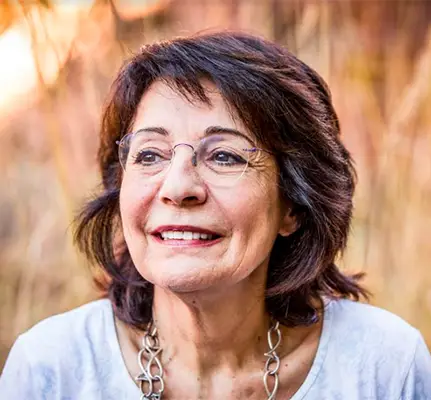
Maria Damanaki
- Former President of Synaspismos (Coalition of the Left and Progress); Special Adviser, Oceans5 (USA) and Rockefeller Brothers Foundation (USA)
- School of Chemical Engineering
When, at the age of 18, I filled in the university application form for the Panhellenic University Entrance Examinations, the Polytechnic was my first choice. Today, I still believe I was fortunate to have succeeded.
Of course, the Polytechnic suited me: it responded to my innate rationalism and love of numbers. But in the course of time I realised it gave me far more than a good education. It gave me the opportunity to encounter many brilliant minds who enriched me as a person, and above all it opened many windows that supported me decisively throughout my subsequent eventful journey. It equipped me with a method for organising my work and my life.
I have lived many lives. During the first — my youthful engagement in the anti-dictatorship resistance — studying at the Polytechnic helped me appreciate self-restraint, inner discipline, and action oriented towards results.
During my many years of presence in politics and Parliament, it helped me speak less, maintain steady goals, and remain as focused as possible on what was most important, even when this was accompanied by political cost.
As European Commissioner responsible for maritime affairs, I drew on the orientation of my studies towards the value of planning — programmatic, temporal, and spatial. The value of starting from clear scientific data, of weighing the common public interest against private interests, of bringing innovation into contact with real life and its needs.
When I worked in the United States for five years, directing the marine programme of The Nature Conservancy, I applied knowledge I had once considered secondary: business administration, the creation of benchmarks and models based on probability theory, and the financial valuation of the net position of companies and programmes.
And now, as I work as a climate adviser for major international organisations, I endeavour, as I was taught, to see the big picture, to choose what is essential, and to have the strength to set aside what is secondary — on the basis of numbers and data.
Some years ago in Washington, where I had a substantial budget and freedom to choose personnel for my teams, a banker who was a member of the Board of Directors asked me why I preferred to hire graduates of the Polytechnic. I replied: It is not that I prefer engineers. But I believe that if you have been to the Polytechnic, you can go anywhere. I believe that still.
Alumni
-
Giannis Alavanos
-
Thomas Acheimastos
-
Ioannis Ventikos
-
Emmanouel Gdoutos
-
† Giorgos Gerardos
-
Giannis Giortsos
-
Maria Damanaki
-
Katerina Daskalaki
-
Giorgos Deodatis
-
Vasilis Dimos
-
Eleni Diamanti
-
Thalia Zariphopoulou
-
Dimitris Theodosiou
-
Theodoros N. Theodorou
-
Fokion Karavias
-
Dafni Karaiskaki
-
Spyros Kinnas
-
Efstratios Kechagias
-
Panagiotis Kokkalis
-
Antonis Kounadis
-
Ioannis Koustas
-
Fani Kostourou
-
Giannis Maniatis
-
Anastasios Manos
-
Eirini Eleni Markantanatou
-
Dionysios S. Balodimos
-
Michalis M. Bernitsas
-
Dimitris Bertsimas
-
Dimitrios Papastergiou
-
Giannis Papachristou
-
Errikos Pavlis
-
Asimina Pelegri
-
Giorgos Polychroniou
-
Kyriakos Sabatakakis
-
Kostantza Sbokou-Konstantakopoulou
-
Theodoros Stathopoulos
-
Giorgos Stefanopoulos
-
Anna Stefanopoulou
-
Fotis Sotiropoulos
-
Theodosios Tasios
-
Michalis Triantafyllou
-
Georgios Tsatsaronis
-
Spyros Chatzifotis