Email: alumni@mail.ntua.gr

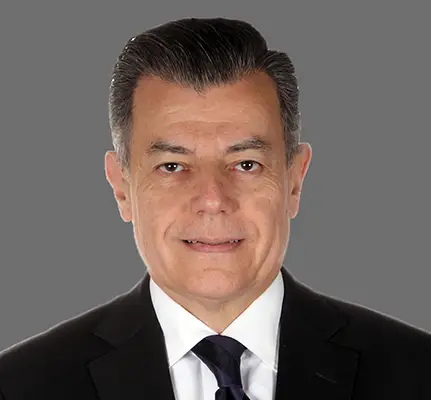
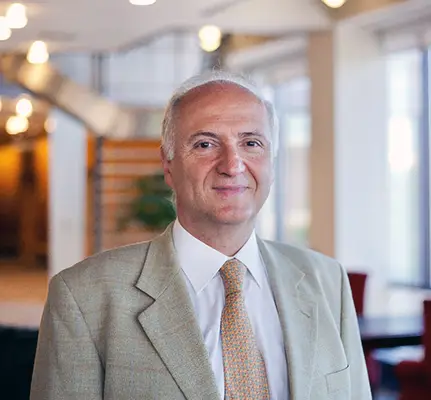
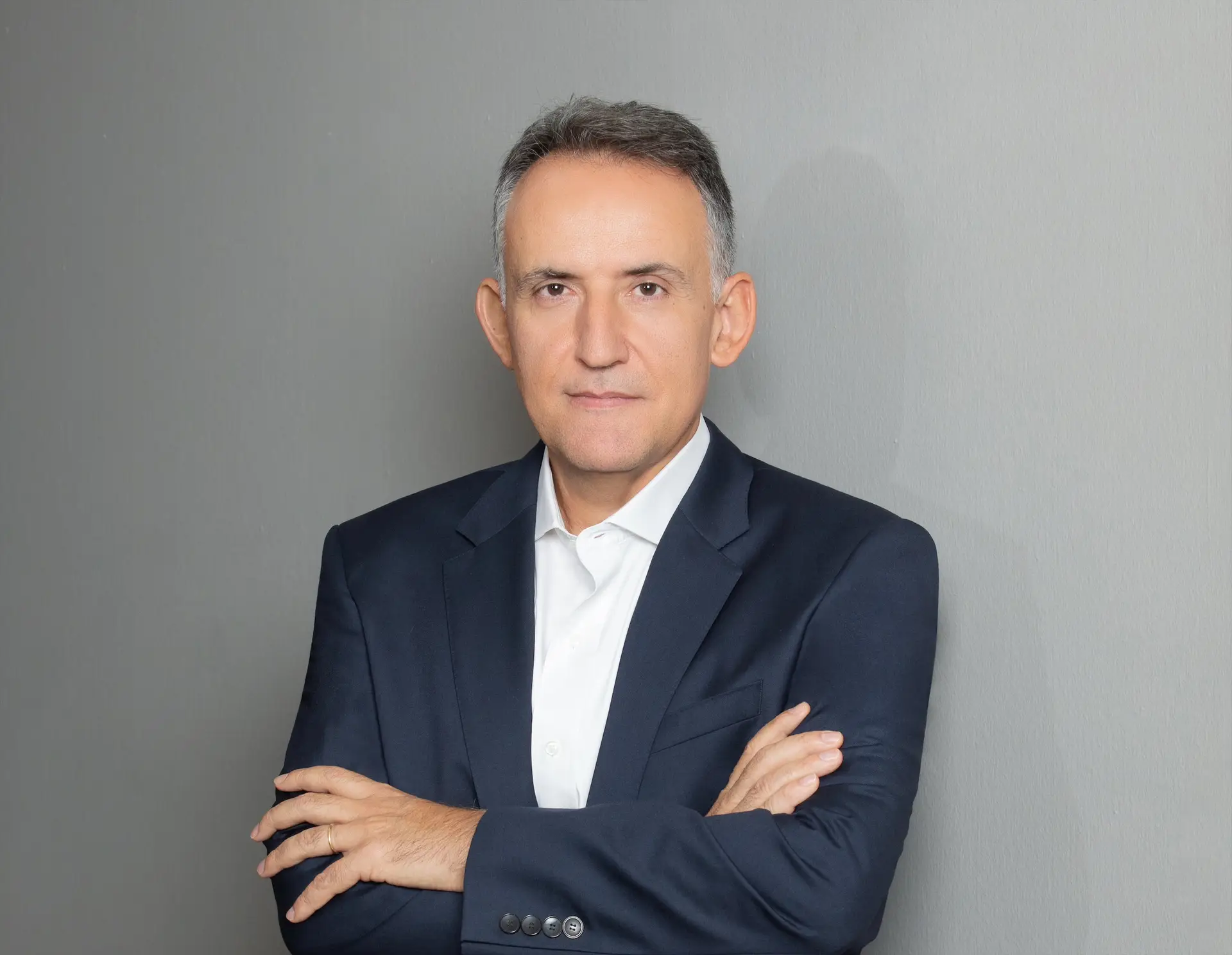
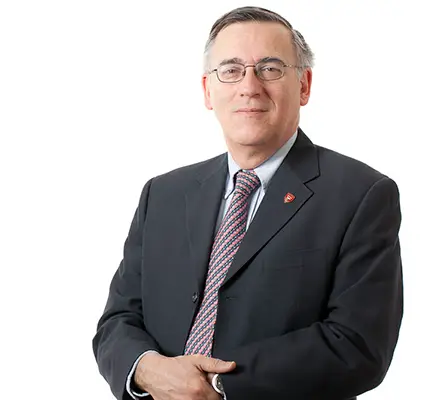
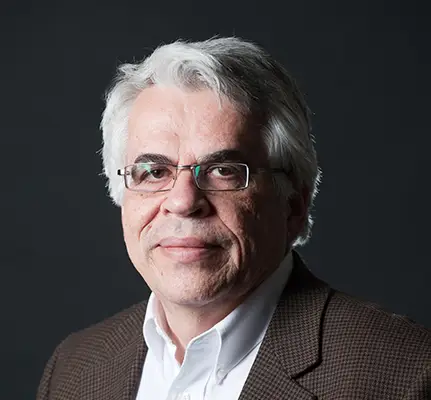
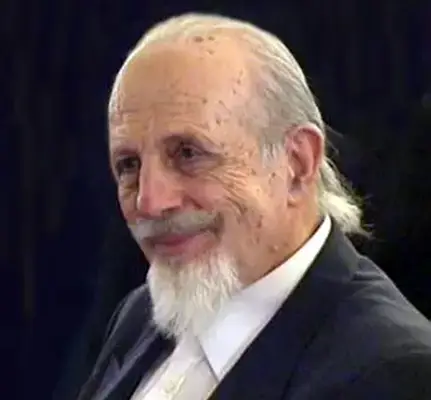
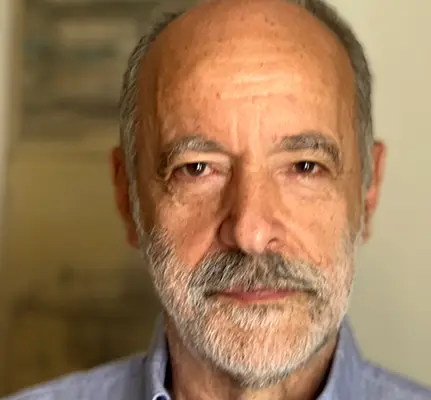
Theodosios Tasios

ENGINEER, TELL US EXACTLY WHAT YOU DO.

I ask those who happen to read the few lines that follow to forgive me for repeating the justification of the distinctive character that Technology possesses in relation to Science. I believe that awareness of this distinction can offer fellow NTUA alumni a sense of intellectual satisfaction and an inspiration for the mental effort and diligence that our work demands.

The respected scientific act is primarily cognitive in character: it consists in the explanation of natural and social phenomena. Technology, by contrast, is the satisfaction of individual or social needs that cannot be met by natural means. To this end, the Engineer will: (a) apply empirical knowledge, or (b) seek new knowledge by applying the scientific method, (c) optimise the initial “solution” with respect to the (usually mutually conflicting) performance criteria: safety, functionality, economy, aesthetics, and environmental impact, (d) search for appropriate materials, and (e) organise (personally or by delegation) production, with the corresponding needs for management and quality assurance, as well as labour justice.

This enormous breadth of the technological act — simultaneously cognitive, ethical, and aesthetic — can, I believe, contribute to a better understanding of our profession, and perhaps also to a more conscious joy of creation.

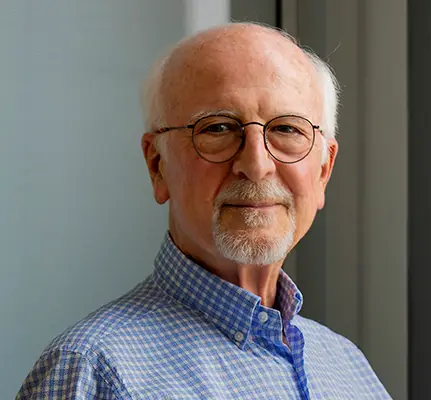
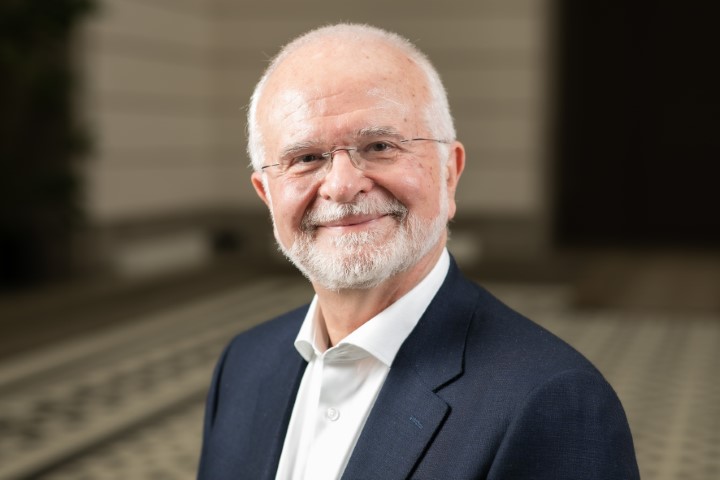
Theodosios Tasios

ENGINEER, TELL US EXACTLY WHAT YOU DO.

I ask those who happen to read the few lines that follow to forgive me for repeating the justification of the distinctive character that Technology possesses in relation to Science. I believe that awareness of this distinction can offer fellow NTUA alumni a sense of intellectual satisfaction and an inspiration for the mental effort and diligence that our work demands.

The respected scientific act is primarily cognitive in character: it consists in the explanation of natural and social phenomena. Technology, by contrast, is the satisfaction of individual or social needs that cannot be met by natural means. To this end, the Engineer will: (a) apply empirical knowledge, or (b) seek new knowledge by applying the scientific method, (c) optimise the initial “solution” with respect to the (usually mutually conflicting) performance criteria: safety, functionality, economy, aesthetics, and environmental impact, (d) search for appropriate materials, and (e) organise (personally or by delegation) production, with the corresponding needs for management and quality assurance, as well as labour justice.

This enormous breadth of the technological act — simultaneously cognitive, ethical, and aesthetic — can, I believe, contribute to a better understanding of our profession, and perhaps also to a more conscious joy of creation.

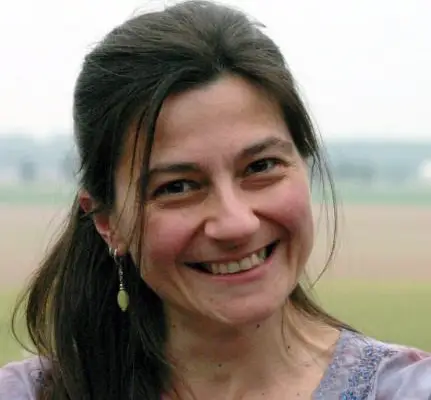
Theodosios Tasios

ENGINEER, TELL US EXACTLY WHAT YOU DO.

I ask those who happen to read the few lines that follow to forgive me for repeating the justification of the distinctive character that Technology possesses in relation to Science. I believe that awareness of this distinction can offer fellow NTUA alumni a sense of intellectual satisfaction and an inspiration for the mental effort and diligence that our work demands.

The respected scientific act is primarily cognitive in character: it consists in the explanation of natural and social phenomena. Technology, by contrast, is the satisfaction of individual or social needs that cannot be met by natural means. To this end, the Engineer will: (a) apply empirical knowledge, or (b) seek new knowledge by applying the scientific method, (c) optimise the initial “solution” with respect to the (usually mutually conflicting) performance criteria: safety, functionality, economy, aesthetics, and environmental impact, (d) search for appropriate materials, and (e) organise (personally or by delegation) production, with the corresponding needs for management and quality assurance, as well as labour justice.

This enormous breadth of the technological act — simultaneously cognitive, ethical, and aesthetic — can, I believe, contribute to a better understanding of our profession, and perhaps also to a more conscious joy of creation.

Scroll to Top