Email: alumni@mail.ntua.gr

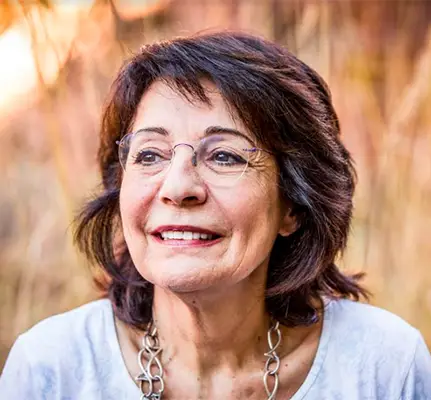
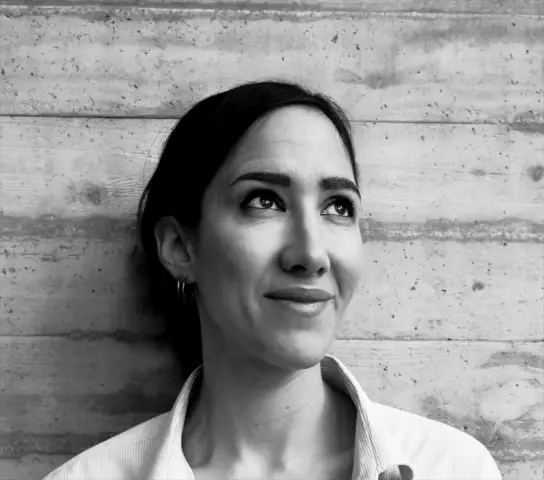
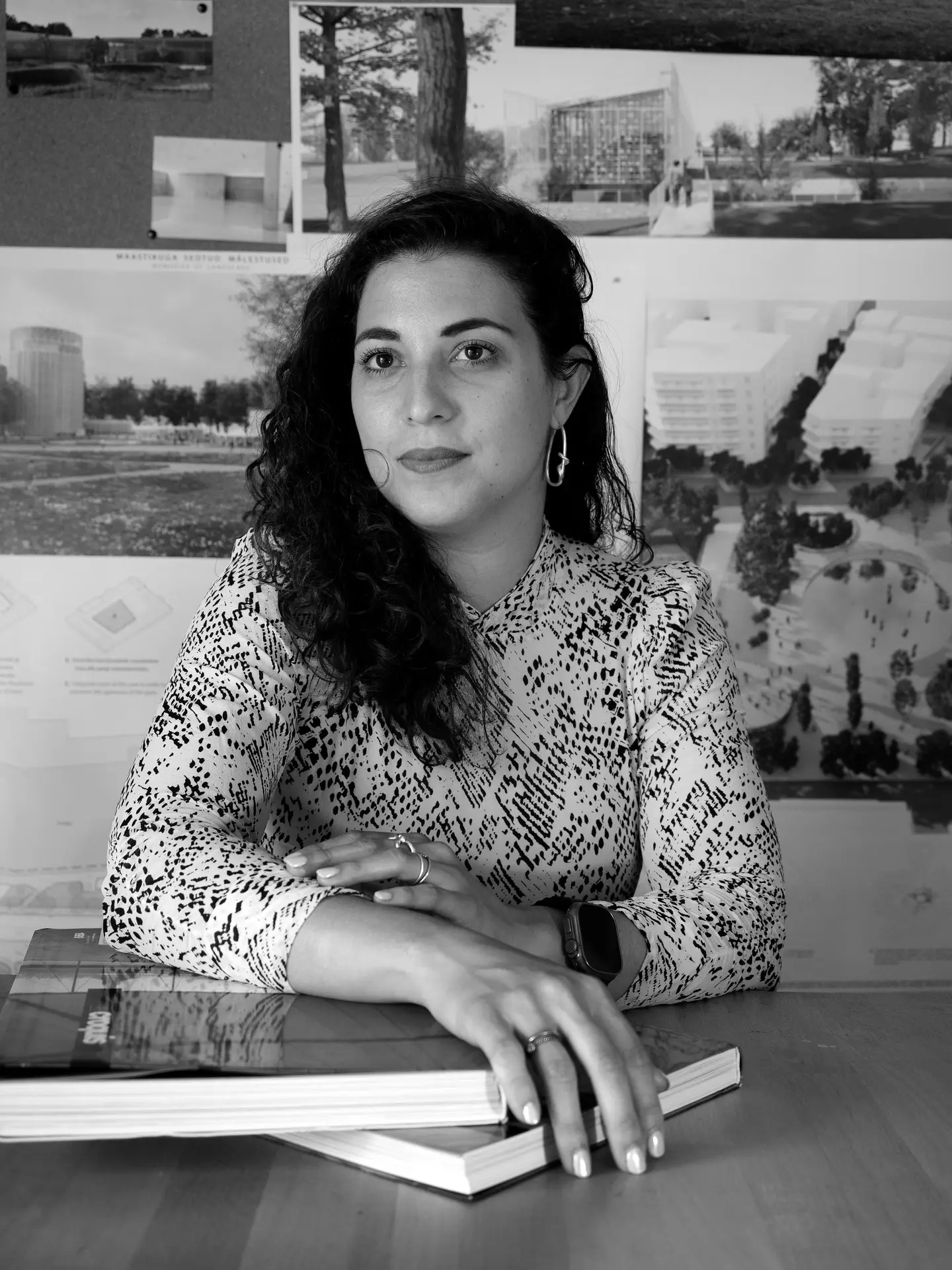
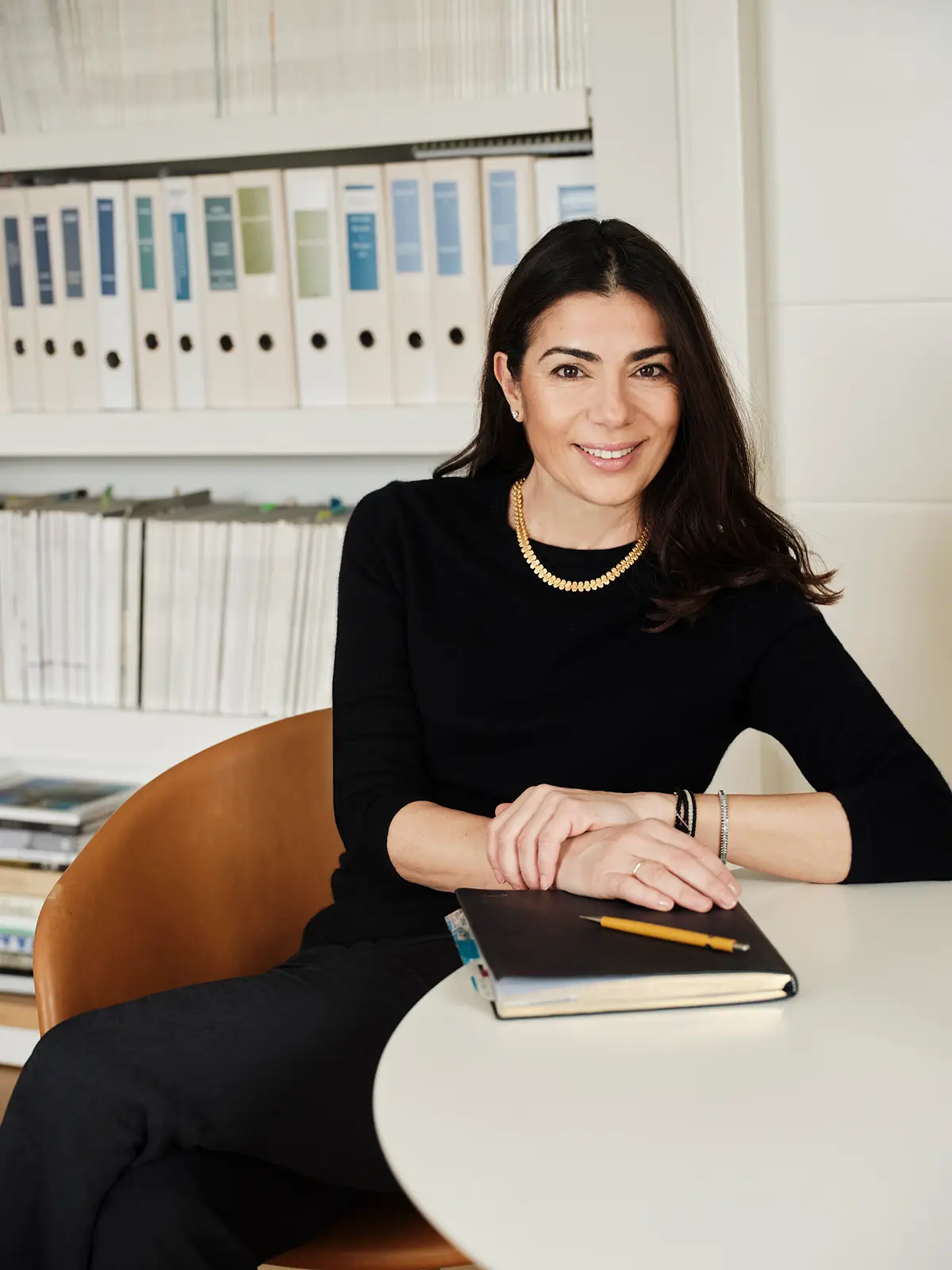
Asimina Pelegri

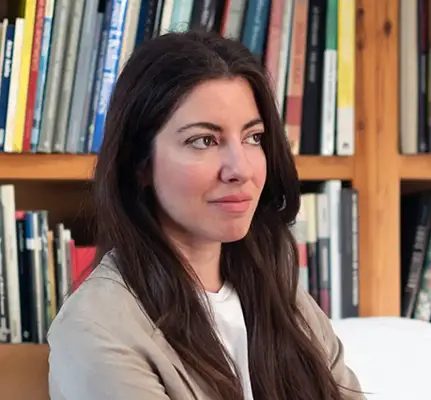
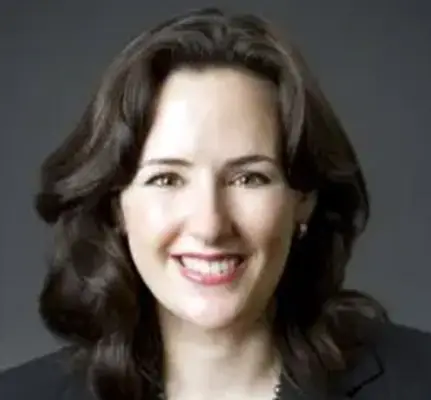
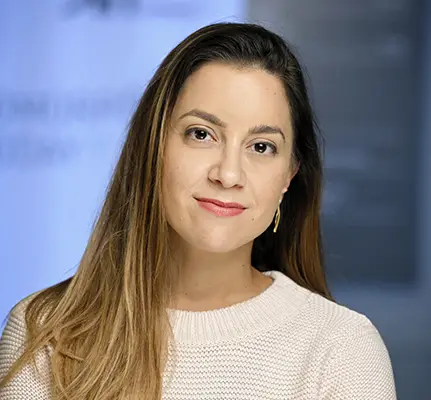
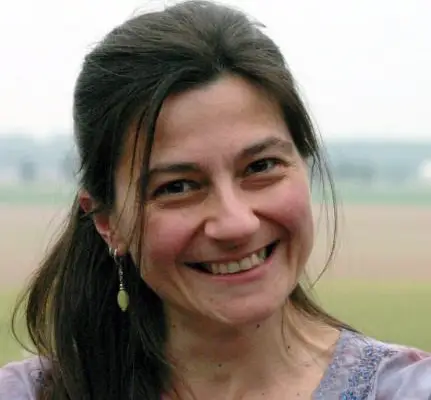
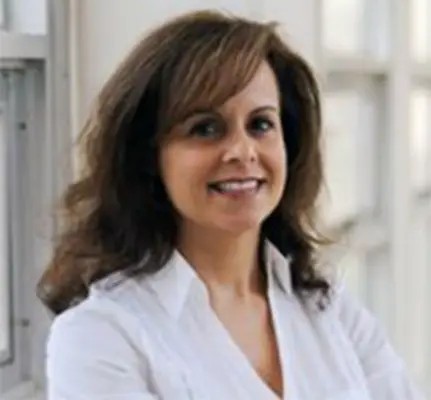
My name is Asimina Pelegri and I am a professor of aerospace engineering and chair of the Department of Mechanical and Aerospace Engineering at Rutgers University, the State University of New Jersey, in the United States. The National Technical University of Athens — and in particular the School of Mining and Metallurgical Engineering — holds a special place in my heart, as it is where I completed my undergraduate studies.

My specialisation was in Metallurgy, with a focus on Materials Science and Technology. I come from a family in which I am the first generation to attend university, and from a very early age I had a natural inclination towards engineering — and in particular towards anything that flies. Aeroplanes, flight mechanisms and aerodynamics fascinated me as a child. At that time in Greece, the options for someone with such interests were limited. The Hellenic Air Force Academy (Ikaron) was one of them, but for me — as a woman at that time — it was not a realistic option. I therefore turned to the mechanical engineering departments, seeking a path that could lead me to postgraduate studies and professional specialisation in the field I loved.

One of my most vivid and cherished memories from my student years is the group project we undertook in the fourth year to design an ore-enrichment plant. We were a group of five or six people who always worked together — friendships forged through the challenges of our coursework that grew into lifelong bonds. Those years truly united us. I cannot help but also recall Dr Papadimitriou in metallography. He had a very distinctive way of explaining the movement of electrons within materials — a turn of phrase that anyone who has attended his course will surely remember with a smile.

And of course, who can forget the Economics course! It was rare for anyone to pass it on the first attempt. I remember the entire Civil Engineering building on Patision Street being packed to accommodate all the students — both new and returning — trying again and again. The field trips also hold a special place in my memories: to Milos, to Naxos, and of course the visits to industrial facilities. They were unique experiences that connected theory to practice and gave us a first, invaluable glimpse of the real world of the profession.

The fact that the metallurgy department had a small number of students in the specialisation — only forty of us — and that we were taught by professors who held postgraduate degrees from abroad, such as Dr Panagopoulos, contributed substantially to my development and my professional trajectory in aerospace. First, it helped in the selection of a modern topic for my diploma thesis in solid-state physics and composite materials. Moreover, I had many courses each semester, which pushed me to organise myself, to collaborate and to develop a strong work ethic. At the same time, I acquired very solid foundations in the core courses (mathematics, physics, chemistry). This education gave me the capacity to change scientific fields and engage with aerospace engineering, with an emphasis on materials for extreme environments. More recently, my research focus has shifted towards the study of the mechanical properties of white matter in the human brain, with applications in the diagnosis of traumatic brain injury and neurodegenerative diseases.

I recognise that this education is the result of the support of all Greek citizens and was provided to me free of charge, a fact for which I am deeply grateful. I hope that the new generations of students will also recognise the value of their degree and of the studies they undertake at NTUA. My advice to young students is to spread their wings and embrace all the opportunities available to them. Studying at the Polytechneion is not the end of the road; I hope it will be the beginning of a life filled with scientific inquiry, research challenges and personal achievement.

I thank you warmly for the opportunity to express my affection and esteem for the School of Mining and Metallurgical Engineering and for the National Technical University of Athens. I hope that NTUA will continue to inspire and shape generations of scientists with vision, integrity and a passion for knowledge.
Asimina Pelegri

My name is Asimina Pelegri and I am a professor of aerospace engineering and chair of the Department of Mechanical and Aerospace Engineering at Rutgers University, the State University of New Jersey, in the United States. The National Technical University of Athens — and in particular the School of Mining and Metallurgical Engineering — holds a special place in my heart, as it is where I completed my undergraduate studies.

My specialisation was in Metallurgy, with a focus on Materials Science and Technology. I come from a family in which I am the first generation to attend university, and from a very early age I had a natural inclination towards engineering — and in particular towards anything that flies. Aeroplanes, flight mechanisms and aerodynamics fascinated me as a child. At that time in Greece, the options for someone with such interests were limited. The Hellenic Air Force Academy (Ikaron) was one of them, but for me — as a woman at that time — it was not a realistic option. I therefore turned to the mechanical engineering departments, seeking a path that could lead me to postgraduate studies and professional specialisation in the field I loved.

One of my most vivid and cherished memories from my student years is the group project we undertook in the fourth year to design an ore-enrichment plant. We were a group of five or six people who always worked together — friendships forged through the challenges of our coursework that grew into lifelong bonds. Those years truly united us. I cannot help but also recall Dr Papadimitriou in metallography. He had a very distinctive way of explaining the movement of electrons within materials — a turn of phrase that anyone who has attended his course will surely remember with a smile.

And of course, who can forget the Economics course! It was rare for anyone to pass it on the first attempt. I remember the entire Civil Engineering building on Patision Street being packed to accommodate all the students — both new and returning — trying again and again. The field trips also hold a special place in my memories: to Milos, to Naxos, and of course the visits to industrial facilities. They were unique experiences that connected theory to practice and gave us a first, invaluable glimpse of the real world of the profession.

The fact that the metallurgy department had a small number of students in the specialisation — only forty of us — and that we were taught by professors who held postgraduate degrees from abroad, such as Dr Panagopoulos, contributed substantially to my development and my professional trajectory in aerospace. First, it helped in the selection of a modern topic for my diploma thesis in solid-state physics and composite materials. Moreover, I had many courses each semester, which pushed me to organise myself, to collaborate and to develop a strong work ethic. At the same time, I acquired very solid foundations in the core courses (mathematics, physics, chemistry). This education gave me the capacity to change scientific fields and engage with aerospace engineering, with an emphasis on materials for extreme environments. More recently, my research focus has shifted towards the study of the mechanical properties of white matter in the human brain, with applications in the diagnosis of traumatic brain injury and neurodegenerative diseases.

I recognise that this education is the result of the support of all Greek citizens and was provided to me free of charge, a fact for which I am deeply grateful. I hope that the new generations of students will also recognise the value of their degree and of the studies they undertake at NTUA. My advice to young students is to spread their wings and embrace all the opportunities available to them. Studying at the Polytechneion is not the end of the road; I hope it will be the beginning of a life filled with scientific inquiry, research challenges and personal achievement.

I thank you warmly for the opportunity to express my affection and esteem for the School of Mining and Metallurgical Engineering and for the National Technical University of Athens. I hope that NTUA will continue to inspire and shape generations of scientists with vision, integrity and a passion for knowledge.
Asimina Pelegri

My name is Asimina Pelegri and I am a professor of aerospace engineering and chair of the Department of Mechanical and Aerospace Engineering at Rutgers University, the State University of New Jersey, in the United States. The National Technical University of Athens — and in particular the School of Mining and Metallurgical Engineering — holds a special place in my heart, as it is where I completed my undergraduate studies.

My specialisation was in Metallurgy, with a focus on Materials Science and Technology. I come from a family in which I am the first generation to attend university, and from a very early age I had a natural inclination towards engineering — and in particular towards anything that flies. Aeroplanes, flight mechanisms and aerodynamics fascinated me as a child. At that time in Greece, the options for someone with such interests were limited. The Hellenic Air Force Academy (Ikaron) was one of them, but for me — as a woman at that time — it was not a realistic option. I therefore turned to the mechanical engineering departments, seeking a path that could lead me to postgraduate studies and professional specialisation in the field I loved.

One of my most vivid and cherished memories from my student years is the group project we undertook in the fourth year to design an ore-enrichment plant. We were a group of five or six people who always worked together — friendships forged through the challenges of our coursework that grew into lifelong bonds. Those years truly united us. I cannot help but also recall Dr Papadimitriou in metallography. He had a very distinctive way of explaining the movement of electrons within materials — a turn of phrase that anyone who has attended his course will surely remember with a smile.

And of course, who can forget the Economics course! It was rare for anyone to pass it on the first attempt. I remember the entire Civil Engineering building on Patision Street being packed to accommodate all the students — both new and returning — trying again and again. The field trips also hold a special place in my memories: to Milos, to Naxos, and of course the visits to industrial facilities. They were unique experiences that connected theory to practice and gave us a first, invaluable glimpse of the real world of the profession.

The fact that the metallurgy department had a small number of students in the specialisation — only forty of us — and that we were taught by professors who held postgraduate degrees from abroad, such as Dr Panagopoulos, contributed substantially to my development and my professional trajectory in aerospace. First, it helped in the selection of a modern topic for my diploma thesis in solid-state physics and composite materials. Moreover, I had many courses each semester, which pushed me to organise myself, to collaborate and to develop a strong work ethic. At the same time, I acquired very solid foundations in the core courses (mathematics, physics, chemistry). This education gave me the capacity to change scientific fields and engage with aerospace engineering, with an emphasis on materials for extreme environments. More recently, my research focus has shifted towards the study of the mechanical properties of white matter in the human brain, with applications in the diagnosis of traumatic brain injury and neurodegenerative diseases.

I recognise that this education is the result of the support of all Greek citizens and was provided to me free of charge, a fact for which I am deeply grateful. I hope that the new generations of students will also recognise the value of their degree and of the studies they undertake at NTUA. My advice to young students is to spread their wings and embrace all the opportunities available to them. Studying at the Polytechneion is not the end of the road; I hope it will be the beginning of a life filled with scientific inquiry, research challenges and personal achievement.

I thank you warmly for the opportunity to express my affection and esteem for the School of Mining and Metallurgical Engineering and for the National Technical University of Athens. I hope that NTUA will continue to inspire and shape generations of scientists with vision, integrity and a passion for knowledge.
Scroll to Top