Email: alumni@mail.ntua.gr

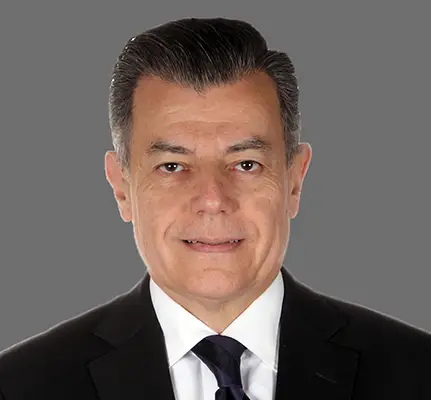
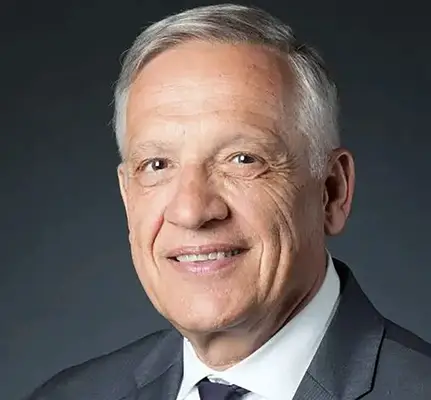
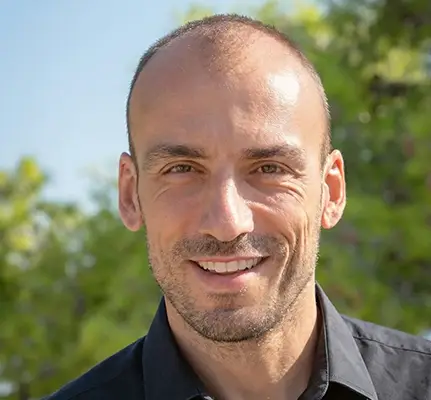
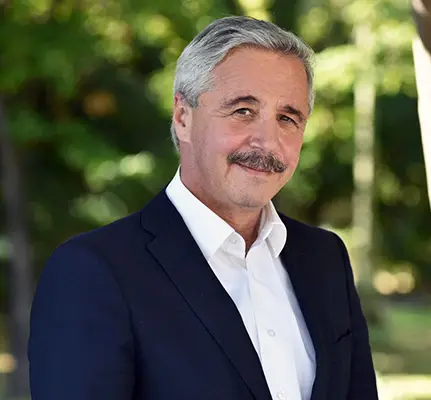
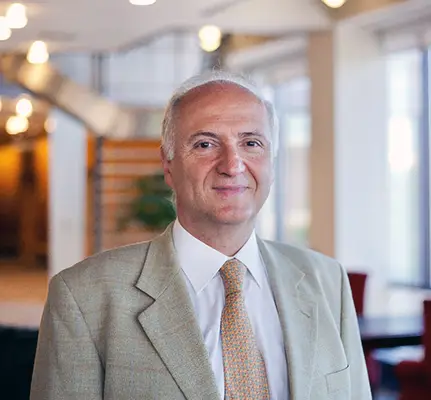
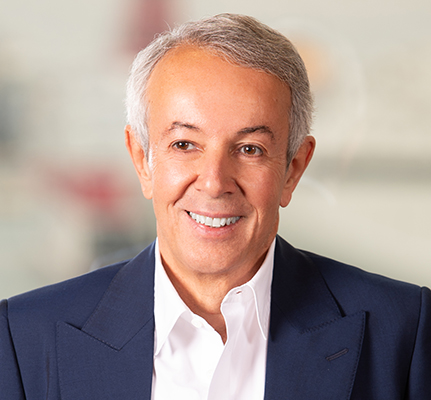
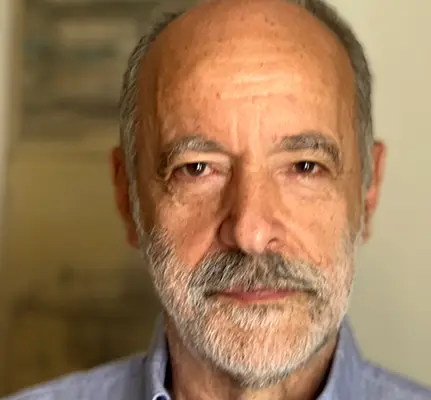
Ioannis Koustas

I entered the Polytechnic in 1973. As soon as classes began, the events of November 17th took place, and I thought the institution would never reopen. Fortunately, after a short while everything fell back into its rhythm.

We used to call the Polytechnic “the School,” because, unlike other higher institutions, we were required to attend daily. I will never forget the first mechanical drawing class with the late Daniil — we learned how to fold technical drawings.

During the first two years, when we shared courses with civil engineers, chemical engineers, and architects, there was a pleasant mix that created a very enjoyable, collegial atmosphere.

With the restoration of democracy, the situation changed. Politicisation gave rise to fierce confrontations, which were nonetheless very useful in shaping ideological orientations and social concerns — even though to a degree they competed with the academic system.

What I remember throughout all these years was the intense workload and the staggering volume of coursework. We were the last cohort to graduate as Mechanical–Electrical Engineers, that is, as “generalists.”

We also witnessed the relocation of the laboratories to Zografou — a major step forward for that era. We felt proud to have equipment on a par with that of foreign universities.

If higher institutions were ranked by their research output, NTUA would not have had much to show at that time. However, it had outstanding teachers, and I came to appreciate this fully when I pursued postgraduate studies at Imperial College, where academically I was ahead of all my foreign classmates.

I hope NTUA continues to be the foremost institution in Greece and goes on producing fine engineers and well-rounded citizens.

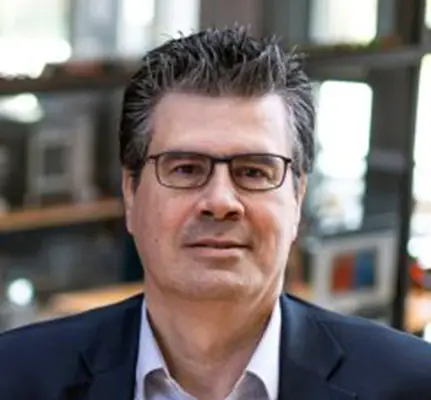
Ioannis Koustas

I entered the Polytechnic in 1973. As soon as classes began, the events of November 17th took place, and I thought the institution would never reopen. Fortunately, after a short while everything fell back into its rhythm.

We used to call the Polytechnic “the School,” because, unlike other higher institutions, we were required to attend daily. I will never forget the first mechanical drawing class with the late Daniil — we learned how to fold technical drawings.

During the first two years, when we shared courses with civil engineers, chemical engineers, and architects, there was a pleasant mix that created a very enjoyable, collegial atmosphere.

With the restoration of democracy, the situation changed. Politicisation gave rise to fierce confrontations, which were nonetheless very useful in shaping ideological orientations and social concerns — even though to a degree they competed with the academic system.

What I remember throughout all these years was the intense workload and the staggering volume of coursework. We were the last cohort to graduate as Mechanical–Electrical Engineers, that is, as “generalists.”

We also witnessed the relocation of the laboratories to Zografou — a major step forward for that era. We felt proud to have equipment on a par with that of foreign universities.

If higher institutions were ranked by their research output, NTUA would not have had much to show at that time. However, it had outstanding teachers, and I came to appreciate this fully when I pursued postgraduate studies at Imperial College, where academically I was ahead of all my foreign classmates.

I hope NTUA continues to be the foremost institution in Greece and goes on producing fine engineers and well-rounded citizens.

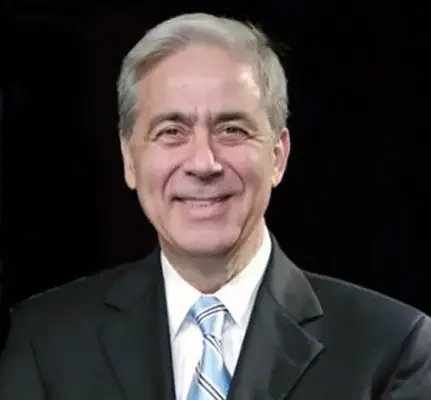
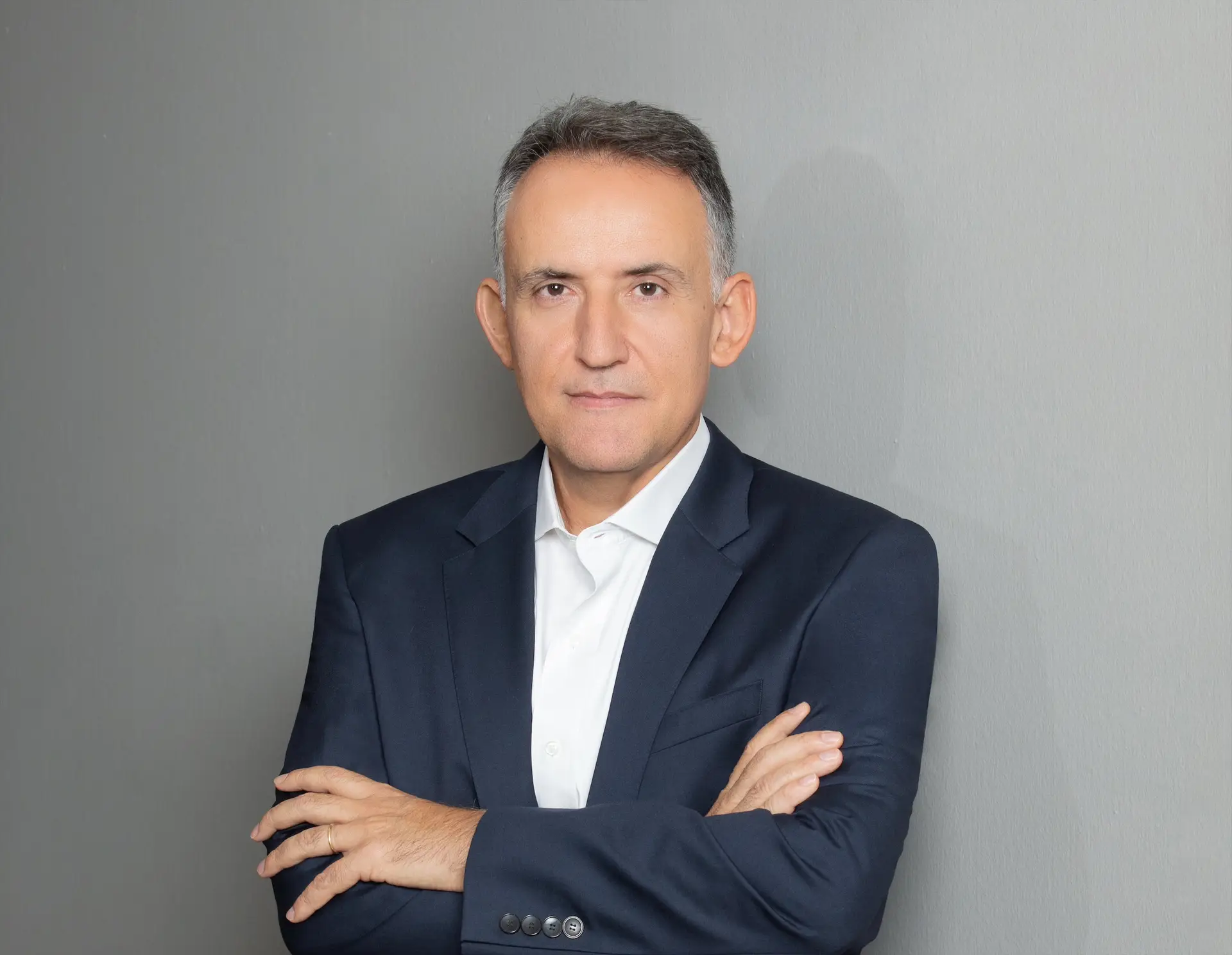
Ioannis Koustas

I entered the Polytechnic in 1973. As soon as classes began, the events of November 17th took place, and I thought the institution would never reopen. Fortunately, after a short while everything fell back into its rhythm.

We used to call the Polytechnic “the School,” because, unlike other higher institutions, we were required to attend daily. I will never forget the first mechanical drawing class with the late Daniil — we learned how to fold technical drawings.

During the first two years, when we shared courses with civil engineers, chemical engineers, and architects, there was a pleasant mix that created a very enjoyable, collegial atmosphere.

With the restoration of democracy, the situation changed. Politicisation gave rise to fierce confrontations, which were nonetheless very useful in shaping ideological orientations and social concerns — even though to a degree they competed with the academic system.

What I remember throughout all these years was the intense workload and the staggering volume of coursework. We were the last cohort to graduate as Mechanical–Electrical Engineers, that is, as “generalists.”

We also witnessed the relocation of the laboratories to Zografou — a major step forward for that era. We felt proud to have equipment on a par with that of foreign universities.

If higher institutions were ranked by their research output, NTUA would not have had much to show at that time. However, it had outstanding teachers, and I came to appreciate this fully when I pursued postgraduate studies at Imperial College, where academically I was ahead of all my foreign classmates.

I hope NTUA continues to be the foremost institution in Greece and goes on producing fine engineers and well-rounded citizens.

Scroll to Top