Email: alumni@mail.ntua.gr

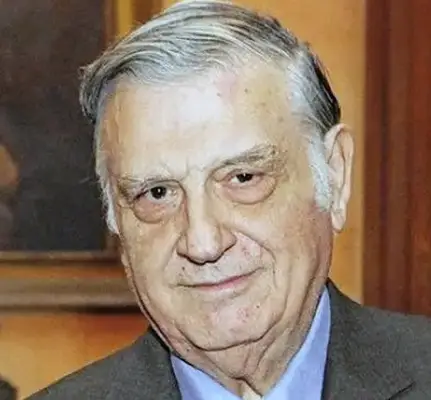
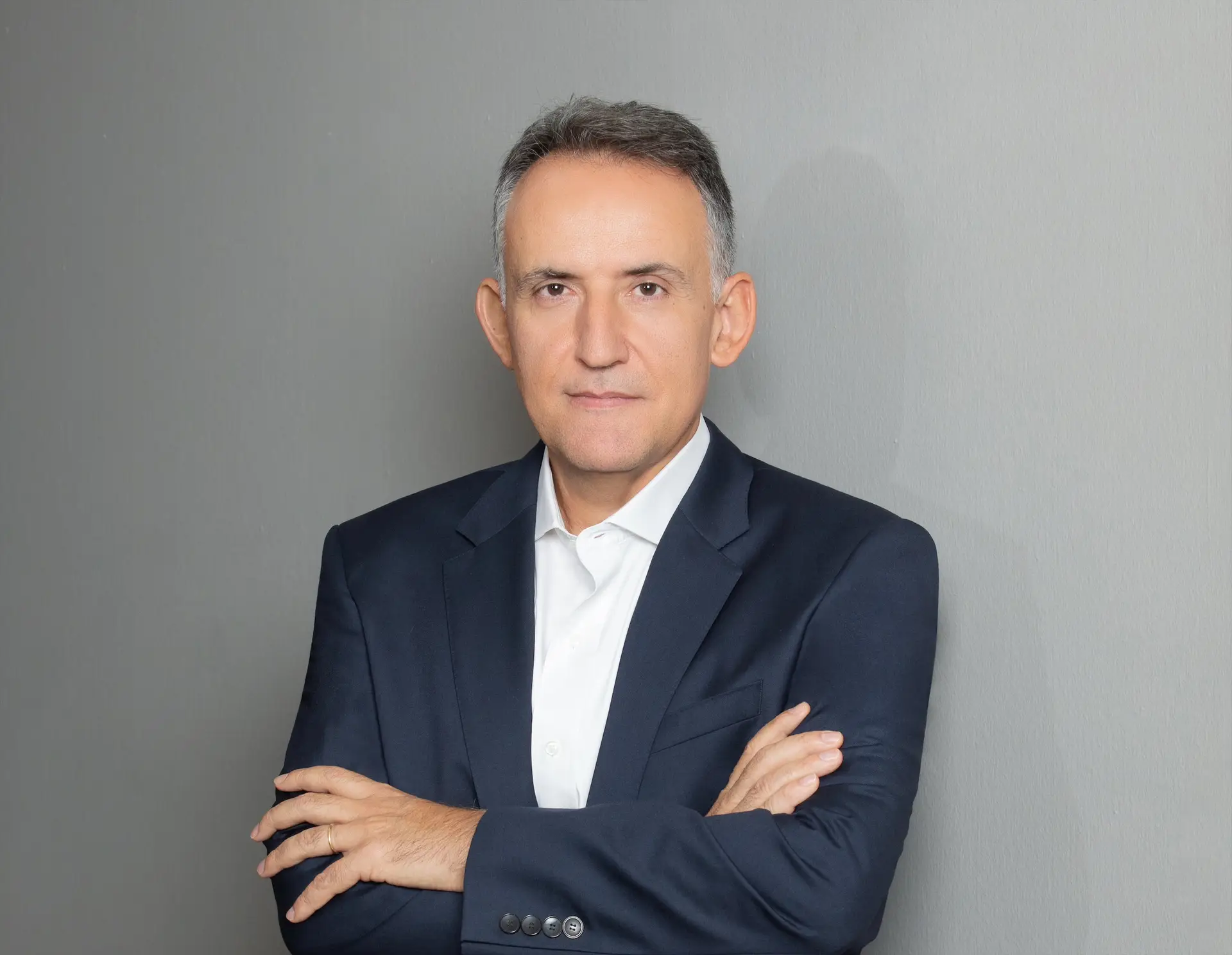
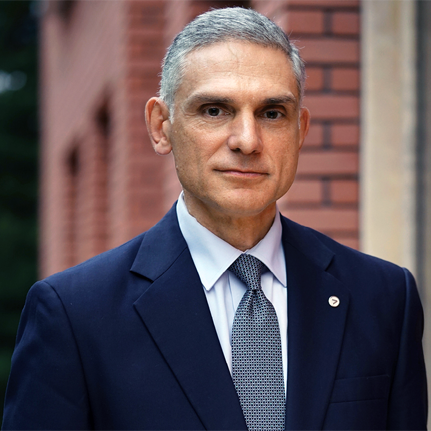
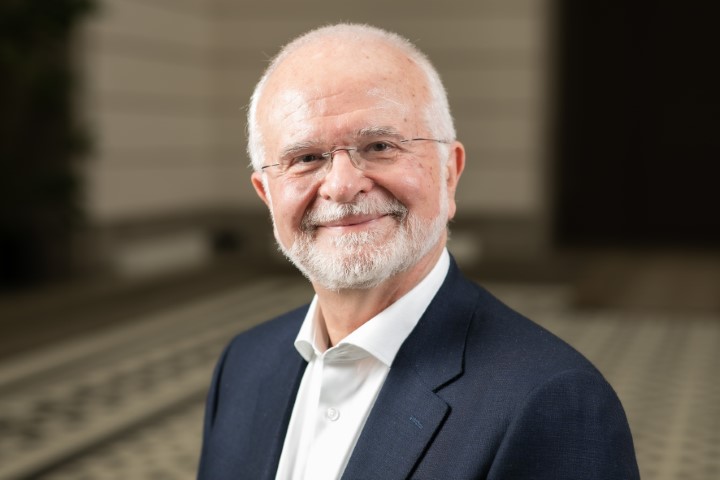
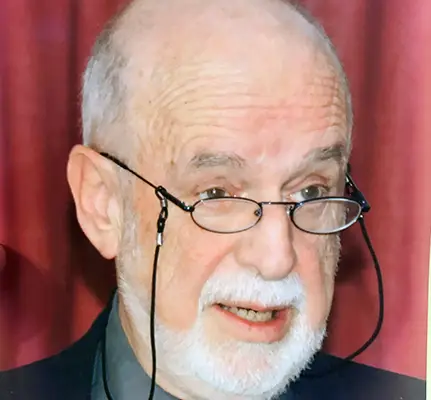
Dionysios S. Balodimos

It was an evening, some 65 years ago, when a crowd had gathered outside the gatehouse of NTUA on Patission Street, jostling to get close to the staff member holding the coveted lists of successful candidates in the entrance examinations.

In those days there were no modern means of communication. My turn came, my relief came — my surname was there, along with both my given names and my father’s name. It could not be a mistake.

The Polytechnic was a lifelong dream. The enthusiasm was immense; new students — and the comparatively very few female students — filled the lecture theatres, the classrooms and the courtyard, and one could often hear them address one another as “Mr Colleague” and “Miss Colleague.” It is worth noting that all activities were contained within the twenty stremma of the Patission campus.

The lectures of most professors, who were frequently accompanied by teaching assistants, demonstrators and laboratory technicians, were quite ceremonial affairs and were met with applause. The great majority of professors were outstanding scientists and educators, even though they were unapproachable and students rarely dared to raise questions.

In our School (the School of Rural and Surveying Engineering), we were particularly fortunate because at the end of the 1950s, after postgraduate studies abroad, the then very young Professor Georgios Veis arrived — an NTUA graduate — bringing a fresh impetus to the science of Geodesy and its allied disciplines. The difficult and hitherto inaccessible areas of Geodesy became attractive, with the crowning achievement being the introduction of Artificial Satellites into our field (Satellite Geodesy), which opened new horizons from a very early stage. At the same time, the relationship between professor and student moved to a different level, without the distance and respect between them ever being diminished.

It was the beginning of a new era, one which, for me personally, provided solutions and ideas for my own development.
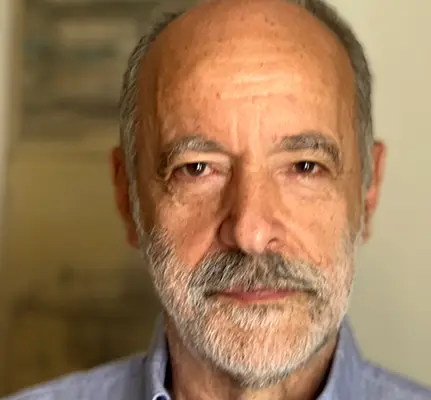
Dionysios S. Balodimos

It was an evening, some 65 years ago, when a crowd had gathered outside the gatehouse of NTUA on Patission Street, jostling to get close to the staff member holding the coveted lists of successful candidates in the entrance examinations.

In those days there were no modern means of communication. My turn came, my relief came — my surname was there, along with both my given names and my father’s name. It could not be a mistake.

The Polytechnic was a lifelong dream. The enthusiasm was immense; new students — and the comparatively very few female students — filled the lecture theatres, the classrooms and the courtyard, and one could often hear them address one another as “Mr Colleague” and “Miss Colleague.” It is worth noting that all activities were contained within the twenty stremma of the Patission campus.

The lectures of most professors, who were frequently accompanied by teaching assistants, demonstrators and laboratory technicians, were quite ceremonial affairs and were met with applause. The great majority of professors were outstanding scientists and educators, even though they were unapproachable and students rarely dared to raise questions.

In our School (the School of Rural and Surveying Engineering), we were particularly fortunate because at the end of the 1950s, after postgraduate studies abroad, the then very young Professor Georgios Veis arrived — an NTUA graduate — bringing a fresh impetus to the science of Geodesy and its allied disciplines. The difficult and hitherto inaccessible areas of Geodesy became attractive, with the crowning achievement being the introduction of Artificial Satellites into our field (Satellite Geodesy), which opened new horizons from a very early stage. At the same time, the relationship between professor and student moved to a different level, without the distance and respect between them ever being diminished.

It was the beginning of a new era, one which, for me personally, provided solutions and ideas for my own development.
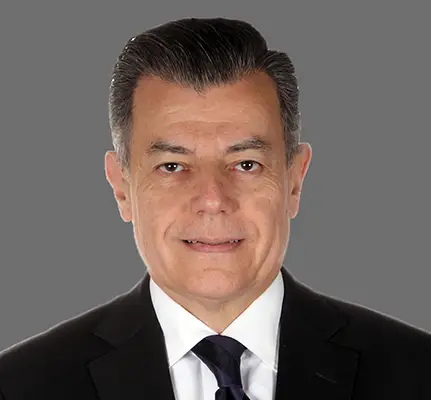
Dionysios S. Balodimos

It was an evening, some 65 years ago, when a crowd had gathered outside the gatehouse of NTUA on Patission Street, jostling to get close to the staff member holding the coveted lists of successful candidates in the entrance examinations.

In those days there were no modern means of communication. My turn came, my relief came — my surname was there, along with both my given names and my father’s name. It could not be a mistake.

The Polytechnic was a lifelong dream. The enthusiasm was immense; new students — and the comparatively very few female students — filled the lecture theatres, the classrooms and the courtyard, and one could often hear them address one another as “Mr Colleague” and “Miss Colleague.” It is worth noting that all activities were contained within the twenty stremma of the Patission campus.

The lectures of most professors, who were frequently accompanied by teaching assistants, demonstrators and laboratory technicians, were quite ceremonial affairs and were met with applause. The great majority of professors were outstanding scientists and educators, even though they were unapproachable and students rarely dared to raise questions.

In our School (the School of Rural and Surveying Engineering), we were particularly fortunate because at the end of the 1950s, after postgraduate studies abroad, the then very young Professor Georgios Veis arrived — an NTUA graduate — bringing a fresh impetus to the science of Geodesy and its allied disciplines. The difficult and hitherto inaccessible areas of Geodesy became attractive, with the crowning achievement being the introduction of Artificial Satellites into our field (Satellite Geodesy), which opened new horizons from a very early stage. At the same time, the relationship between professor and student moved to a different level, without the distance and respect between them ever being diminished.

It was the beginning of a new era, one which, for me personally, provided solutions and ideas for my own development.
Scroll to Top