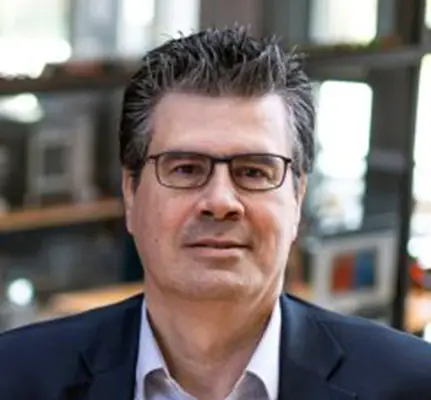
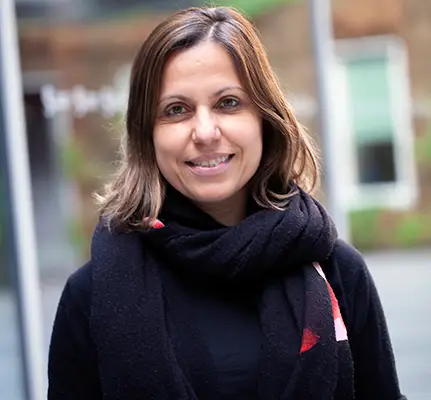
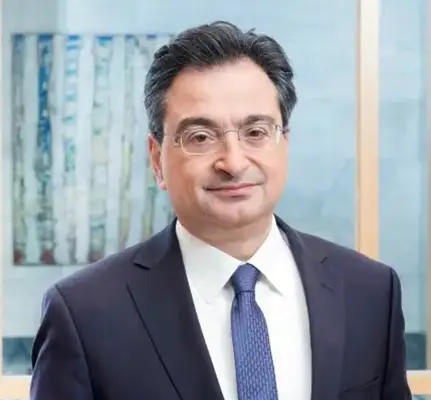
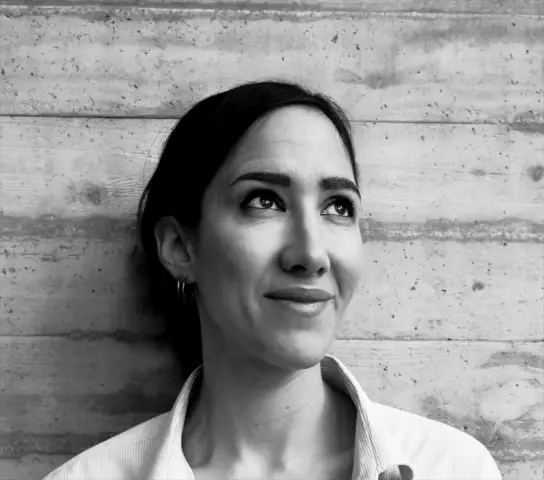
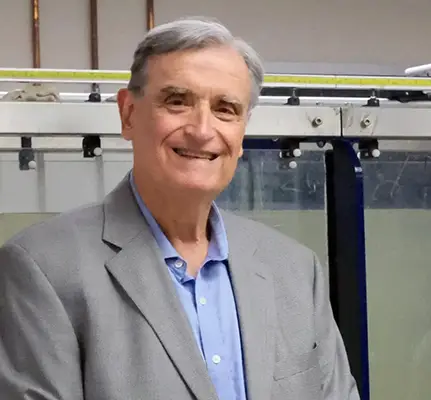
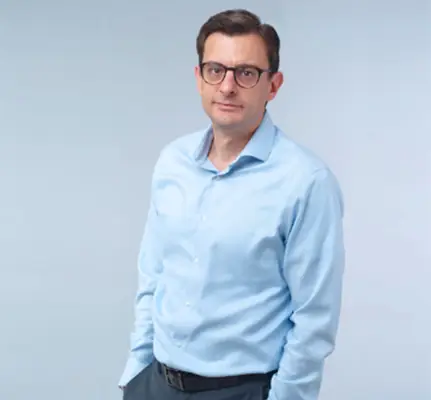
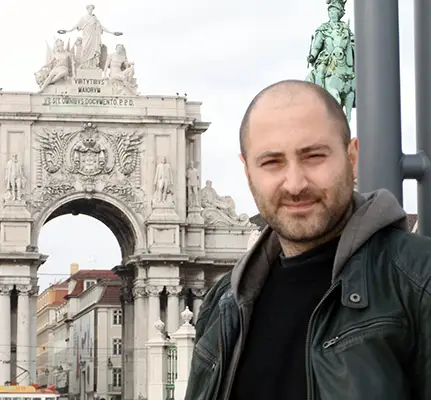
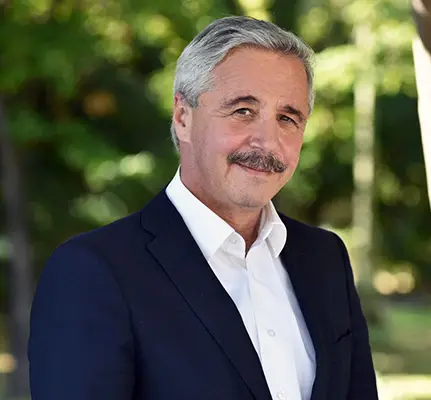
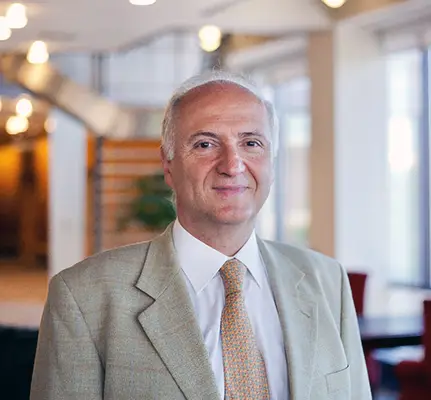
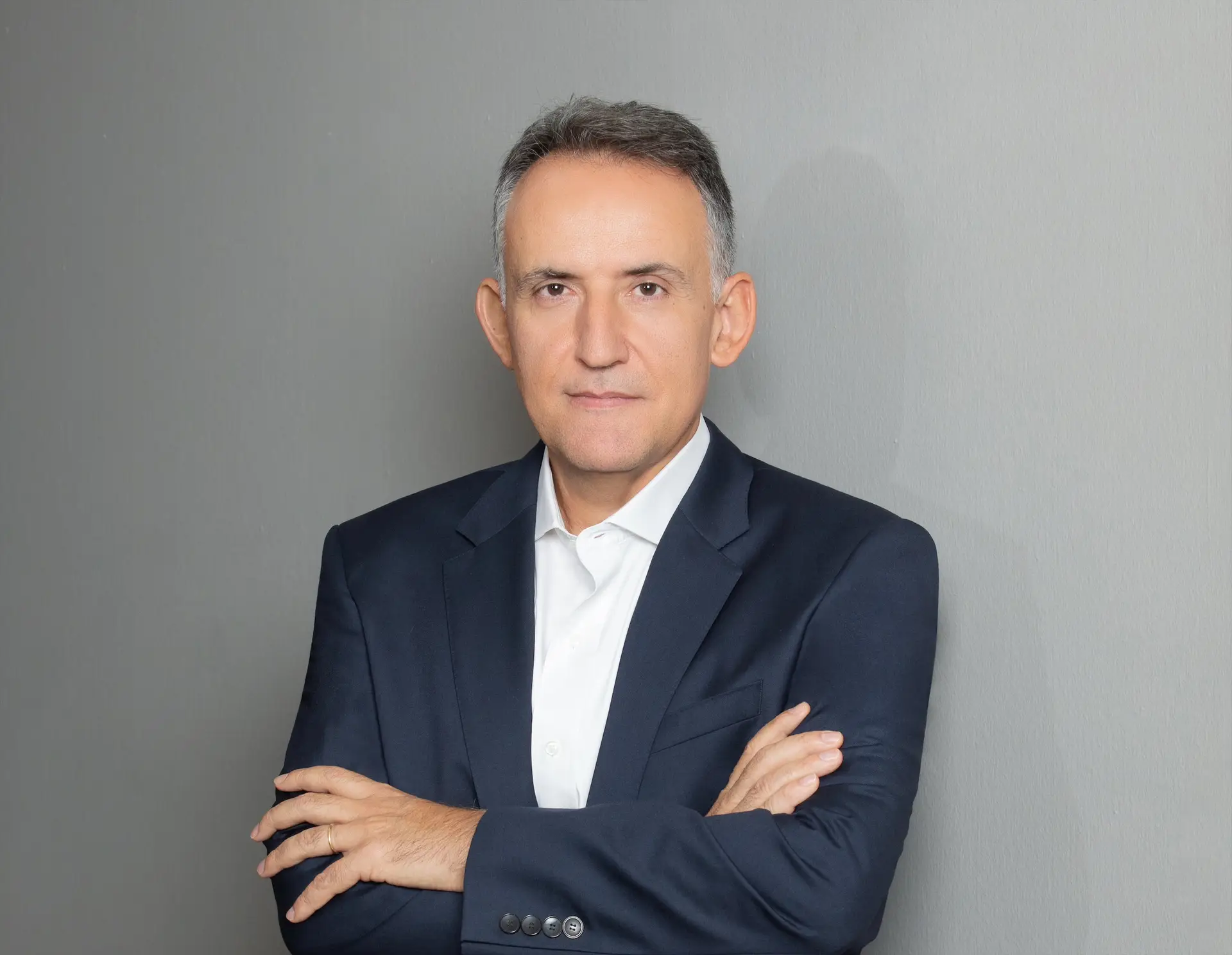
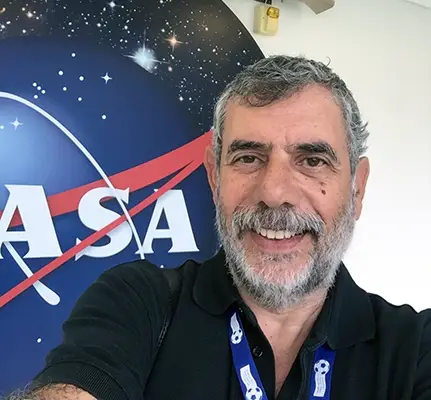
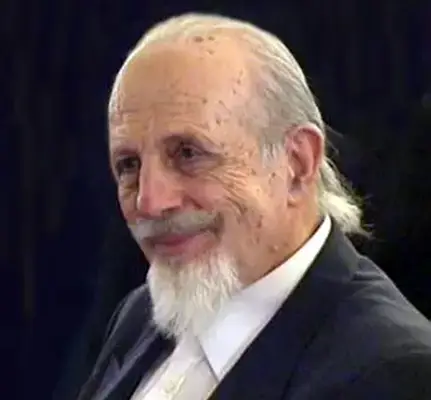
Giannis Alavanos
- Former President of the Technical Chamber of Greece
- School of Rural, Surveying & Geoinformatics Engineering
In the years following 1970, radical changes took place in the School of Rural, Surveying and Geoinformatics Engineering. The curriculum was revised, the duration of studies was extended from four to five years, and the new faculty members treated what they taught as provisional, foreseeing applications that seemed visionary at the time. Within lecture halls and laboratories, theory, research, scientific knowledge, and critical inquiry advanced together.
Outside, from 1972 onwards, practical training was taking place in the courtyard and on the streets: against violence and the authority of ignorance, against the dictatorship. We grew to love the rooftop terrace of the Ginis Building because it became a space of freedom, the site of our general assemblies, where no prohibition held sway — neither that of the rectorate nor that of the police. We grew to love the spaces of NTUA, within and around it, because people and ideas communicated there more freely.
And when police officers stormed in, desecrating the place, historic pages were being written for NTUA. The photograph of a tank facing the crowd — the students — in an academic institution is emblematic both of the years of the dictatorship and of the perennial conflict between the forces of obscurantism and the values of the Enlightenment. And for the young children and teenagers. The National Technical University of Athens owes a debt to its students.
I entered the Polytechnic as a centrist, an atheist with Christian roots. I graduated as a defender of communist ideals. I followed the same path as the majority of my fellow students. The influence of parents, the impact of siblings, the company of friends, the indoctrination and the views of teachers all took on firmer shape during the student years.
We graduated as stronger personalities, with self-confidence. “Geometers” of the land, cartographers of the earth, the seas and space, knowledgeable in spatial and environmental matters, and ultimately the drafters of the cadastre. At the cutting edge of technology, pioneers in the use of information technology, harnessing peacefully the achievements of the defence industry.
My first encounter with the Technical Chamber of Greece (TEE) came a few months before the arrest and months-long detention at the EAT-ESA military police headquarters — along with other faculty members — of Dean Veis, an eminent figure in the school and in his scientific field worldwide. In the context of our strike, with demands relating to student and professional matters, we met with the President of TEE and former dean of the school. He received us in his office at midday with the blinds drawn: a conversation whose setting and content closely resembled an interrogation in a detention cell.
Years later, TEE became linked on a permanent basis with NTUA and the other polytechnic schools, producing and advocating positions on education, university funding, postgraduate studies, the continuing professional development of engineers, and development more broadly. Twice, TEE elections were held at the Polytechnic. These were the elections with the highest turnout.
We are bound to the Polytechnic. Its influence is woven into our very being — not simply as a powerful memory. What are studies at the Polytechnic? Many years — always inadequate — of theoretical teaching that left gaps in practical experience, yet at the same time rendered one capable, for life, of seeking new knowledge and applying it. We owe it an eternal debt.

Alumni
-
Giannis Alavanos
-
Thomas Acheimastos
-
Ioannis Ventikos
-
Emmanouel Gdoutos
-
† Giorgos Gerardos
-
Giannis Giortsos
-
Maria Damanaki
-
Katerina Daskalaki
-
Giorgos Deodatis
-
Vasilis Dimos
-
Eleni Diamanti
-
Thalia Zariphopoulou
-
Dimitris Theodosiou
-
Theodoros N. Theodorou
-
Fokion Karavias
-
Dafni Karaiskaki
-
Spyros Kinnas
-
Efstratios Kechagias
-
Panagiotis Kokkalis
-
Antonis Kounadis
-
Ioannis Koustas
-
Fani Kostourou
-
Giannis Maniatis
-
Anastasios Manos
-
Eirini Eleni Markantanatou
-
Dionysios S. Balodimos
-
Michalis M. Bernitsas
-
Dimitris Bertsimas
-
Dimitrios Papastergiou
-
Giannis Papachristou
-
Errikos Pavlis
-
Asimina Pelegri
-
Giorgos Polychroniou
-
Kyriakos Sabatakakis
-
Kostantza Sbokou-Konstantakopoulou
-
Theodoros Stathopoulos
-
Giorgos Stefanopoulos
-
Anna Stefanopoulou
-
Fotis Sotiropoulos
-
Theodosios Tasios
-
Michalis Triantafyllou
-
Georgios Tsatsaronis
-
Spyros Chatzifotis
Giannis Alavanos
- Former President of the Technical Chamber of Greece
- School of Rural, Surveying & Geoinformatics Engineering
In the years following 1970, radical changes took place in the School of Rural, Surveying and Geoinformatics Engineering. The curriculum was revised, the duration of studies was extended from four to five years, and the new faculty members treated what they taught as provisional, foreseeing applications that seemed visionary at the time. Within lecture halls and laboratories, theory, research, scientific knowledge, and critical inquiry advanced together.
Outside, from 1972 onwards, practical training was taking place in the courtyard and on the streets: against violence and the authority of ignorance, against the dictatorship. We grew to love the rooftop terrace of the Ginis Building because it became a space of freedom, the site of our general assemblies, where no prohibition held sway — neither that of the rectorate nor that of the police. We grew to love the spaces of NTUA, within and around it, because people and ideas communicated there more freely.
And when police officers stormed in, desecrating the place, historic pages were being written for NTUA. The photograph of a tank facing the crowd — the students — in an academic institution is emblematic both of the years of the dictatorship and of the perennial conflict between the forces of obscurantism and the values of the Enlightenment. And for the young children and teenagers. The National Technical University of Athens owes a debt to its students.
I entered the Polytechnic as a centrist, an atheist with Christian roots. I graduated as a defender of communist ideals. I followed the same path as the majority of my fellow students. The influence of parents, the impact of siblings, the company of friends, the indoctrination and the views of teachers all took on firmer shape during the student years.
We graduated as stronger personalities, with self-confidence. “Geometers” of the land, cartographers of the earth, the seas and space, knowledgeable in spatial and environmental matters, and ultimately the drafters of the cadastre. At the cutting edge of technology, pioneers in the use of information technology, harnessing peacefully the achievements of the defence industry.
My first encounter with the Technical Chamber of Greece (TEE) came a few months before the arrest and months-long detention at the EAT-ESA military police headquarters — along with other faculty members — of Dean Veis, an eminent figure in the school and in his scientific field worldwide. In the context of our strike, with demands relating to student and professional matters, we met with the President of TEE and former dean of the school. He received us in his office at midday with the blinds drawn: a conversation whose setting and content closely resembled an interrogation in a detention cell.
Years later, TEE became linked on a permanent basis with NTUA and the other polytechnic schools, producing and advocating positions on education, university funding, postgraduate studies, the continuing professional development of engineers, and development more broadly. Twice, TEE elections were held at the Polytechnic. These were the elections with the highest turnout.
We are bound to the Polytechnic. Its influence is woven into our very being — not simply as a powerful memory. What are studies at the Polytechnic? Many years — always inadequate — of theoretical teaching that left gaps in practical experience, yet at the same time rendered one capable, for life, of seeking new knowledge and applying it. We owe it an eternal debt.
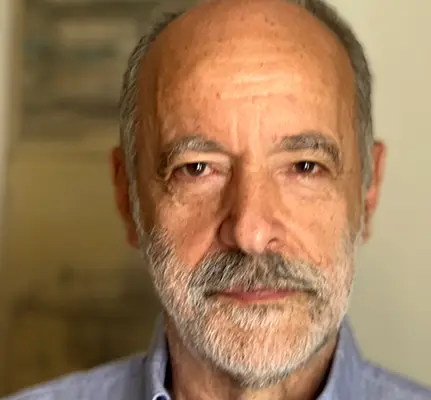
Giannis Alavanos
- Former President of the Technical Chamber of Greece
- School of Rural, Surveying & Geoinformatics Engineering
In the years following 1970, radical changes took place in the School of Rural, Surveying and Geoinformatics Engineering. The curriculum was revised, the duration of studies was extended from four to five years, and the new faculty members treated what they taught as provisional, foreseeing applications that seemed visionary at the time. Within lecture halls and laboratories, theory, research, scientific knowledge, and critical inquiry advanced together.
Outside, from 1972 onwards, practical training was taking place in the courtyard and on the streets: against violence and the authority of ignorance, against the dictatorship. We grew to love the rooftop terrace of the Ginis Building because it became a space of freedom, the site of our general assemblies, where no prohibition held sway — neither that of the rectorate nor that of the police. We grew to love the spaces of NTUA, within and around it, because people and ideas communicated there more freely.
And when police officers stormed in, desecrating the place, historic pages were being written for NTUA. The photograph of a tank facing the crowd — the students — in an academic institution is emblematic both of the years of the dictatorship and of the perennial conflict between the forces of obscurantism and the values of the Enlightenment. And for the young children and teenagers. The National Technical University of Athens owes a debt to its students.
I entered the Polytechnic as a centrist, an atheist with Christian roots. I graduated as a defender of communist ideals. I followed the same path as the majority of my fellow students. The influence of parents, the impact of siblings, the company of friends, the indoctrination and the views of teachers all took on firmer shape during the student years.
We graduated as stronger personalities, with self-confidence. “Geometers” of the land, cartographers of the earth, the seas and space, knowledgeable in spatial and environmental matters, and ultimately the drafters of the cadastre. At the cutting edge of technology, pioneers in the use of information technology, harnessing peacefully the achievements of the defence industry.
My first encounter with the Technical Chamber of Greece (TEE) came a few months before the arrest and months-long detention at the EAT-ESA military police headquarters — along with other faculty members — of Dean Veis, an eminent figure in the school and in his scientific field worldwide. In the context of our strike, with demands relating to student and professional matters, we met with the President of TEE and former dean of the school. He received us in his office at midday with the blinds drawn: a conversation whose setting and content closely resembled an interrogation in a detention cell.
Years later, TEE became linked on a permanent basis with NTUA and the other polytechnic schools, producing and advocating positions on education, university funding, postgraduate studies, the continuing professional development of engineers, and development more broadly. Twice, TEE elections were held at the Polytechnic. These were the elections with the highest turnout.
We are bound to the Polytechnic. Its influence is woven into our very being — not simply as a powerful memory. What are studies at the Polytechnic? Many years — always inadequate — of theoretical teaching that left gaps in practical experience, yet at the same time rendered one capable, for life, of seeking new knowledge and applying it. We owe it an eternal debt.
Alumni
-
Giannis Alavanos
-
Thomas Acheimastos
-
Ioannis Ventikos
-
Emmanouel Gdoutos
-
† Giorgos Gerardos
-
Giannis Giortsos
-
Maria Damanaki
-
Katerina Daskalaki
-
Giorgos Deodatis
-
Vasilis Dimos
-
Eleni Diamanti
-
Thalia Zariphopoulou
-
Dimitris Theodosiou
-
Theodoros N. Theodorou
-
Fokion Karavias
-
Dafni Karaiskaki
-
Spyros Kinnas
-
Efstratios Kechagias
-
Panagiotis Kokkalis
-
Antonis Kounadis
-
Ioannis Koustas
-
Fani Kostourou
-
Giannis Maniatis
-
Anastasios Manos
-
Eirini Eleni Markantanatou
-
Dionysios S. Balodimos
-
Michalis M. Bernitsas
-
Dimitris Bertsimas
-
Dimitrios Papastergiou
-
Giannis Papachristou
-
Errikos Pavlis
-
Asimina Pelegri
-
Giorgos Polychroniou
-
Kyriakos Sabatakakis
-
Kostantza Sbokou-Konstantakopoulou
-
Theodoros Stathopoulos
-
Giorgos Stefanopoulos
-
Anna Stefanopoulou
-
Fotis Sotiropoulos
-
Theodosios Tasios
-
Michalis Triantafyllou
-
Georgios Tsatsaronis
-
Spyros Chatzifotis