Email: alumni@mail.ntua.gr

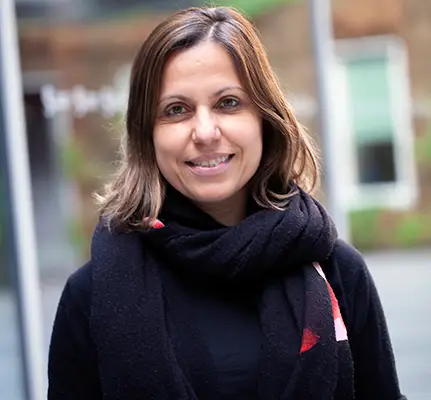
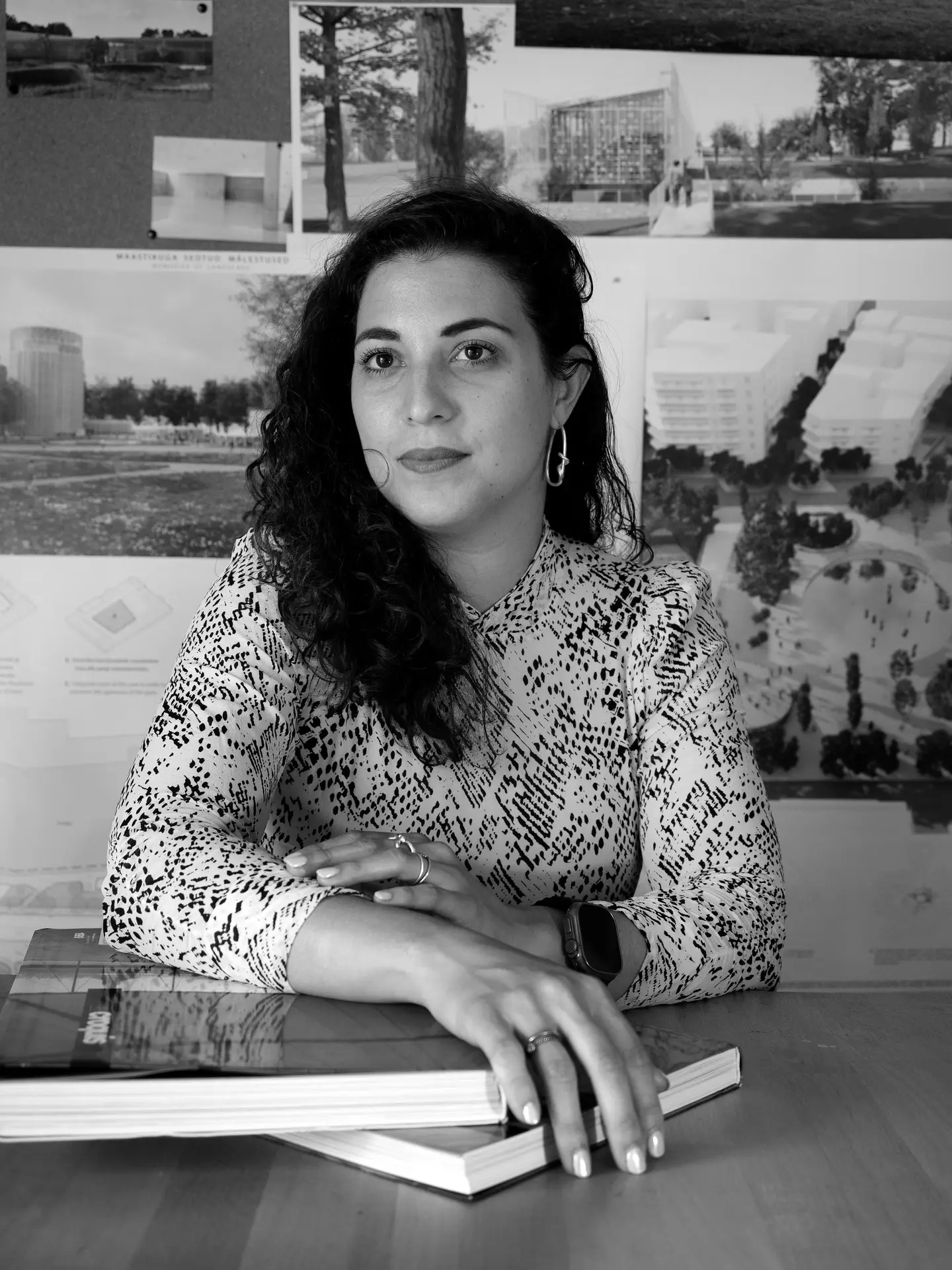
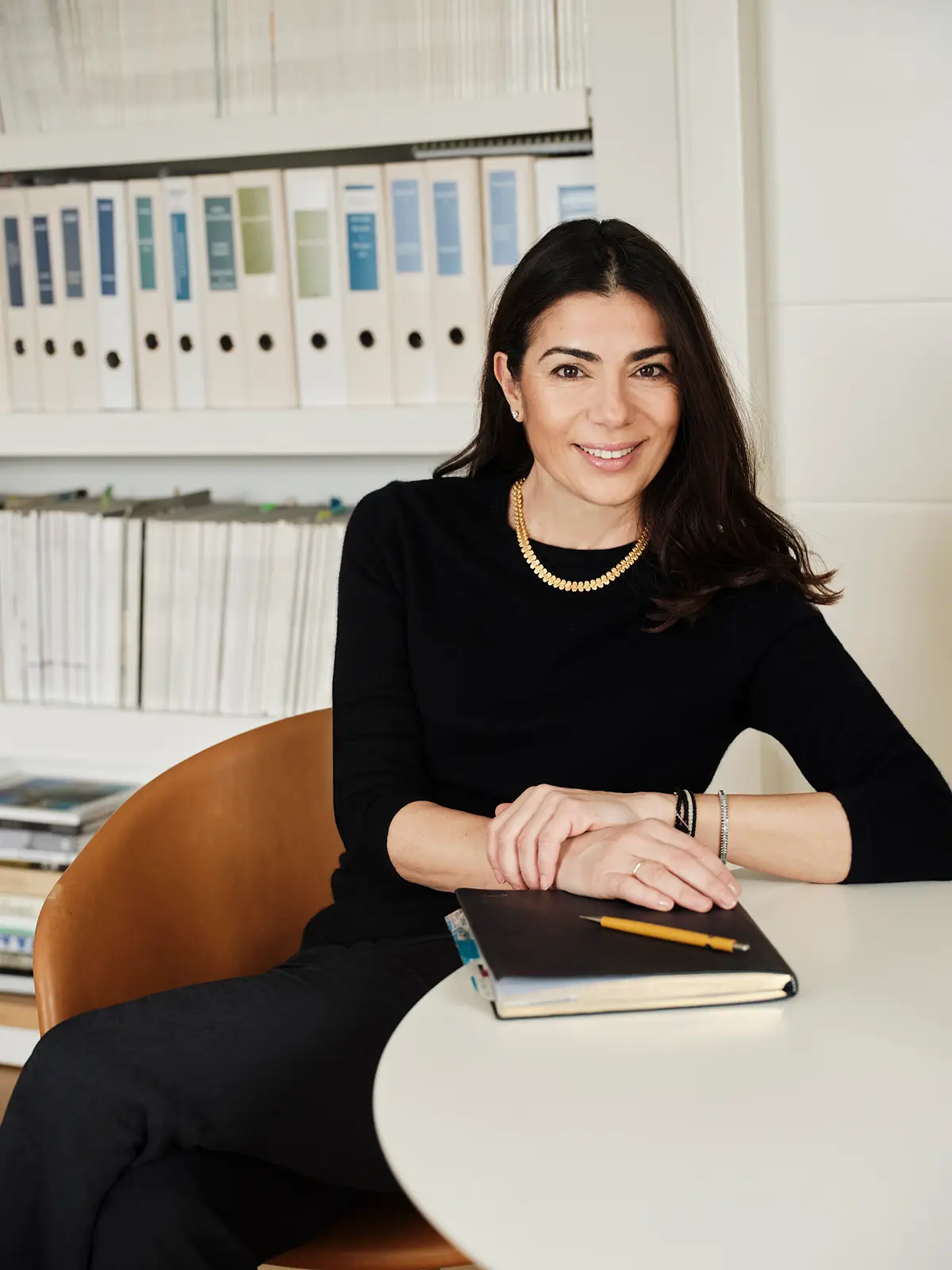
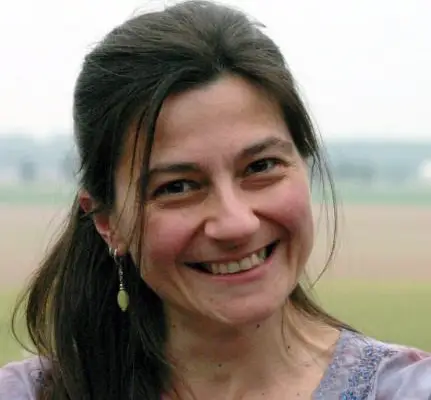
Katerina Daskalaki

My studies at the National Technical University of Athens, both in the Department of Architecture and in the postgraduate programme I subsequently pursued there, were decisive not only for the development of skills relating to architectural design and for cultivating my understanding of issues of architectural space, but above all for the gradual formation of a way of thinking, observing, and engaging with things that continues to accompany me to this day.

The National Technical University of Athens on Patission Street, as an emblematic complex carrying a weighty historical and symbolic memory, stands at the heart of the city and, by extension, at the heart of events. For a young person, at an age when alongside one’s education one is also shaping one’s position in society, this daily contact with the urban fabric, with the movement, intensity, and complexity of Athens — between the Archaeological Museum, Kaningos Square, and Omonia — constituted an ongoing experience of understanding the city, in direct interaction with what was happening inside the lecture halls and studios. It is an environment that cultivates an attitude of alertness and responsibility towards social reality. As a student, one does not grow complacent and does not easily compromise.

The contribution of our professors was particularly crucial and substantial. Through their teaching I managed to build a methodical and systematic approach to organising my work — not simply as a set of technical skills, or still less as a “technocratic” approach to design, but as a way of thinking that safeguards the ethical, social, and aesthetic meaning of architecture, that is, its intellectual content. Within this framework, we approached the spirit of modernism through the teaching of M. Leonardou, A. Papaioannou, S. Tsirakis, and others — as an open way of thinking, designing, and acting, a living and enduring attitude towards the World, rather than a historical style or aesthetic “mannerism.” The School cultivates a way of thinking that is not conservative but deeply contemporary — one that does not yield to the dictates of passing fashion or to superficial trends, but remains firmly oriented towards an ethical direction in architecture and in life more broadly, while following the developments and needs of society at every stage.

I regard this way of working and thinking today as one of my most important assets, especially in an era of widespread confusion of values, purposes, and criteria, and of an evident retreat of our collective consciousness. This legacy accompanies me to this day, as a stable foundation for my work and the practice of architecture, as well as for my way of thinking and approach to life — something that demands constant dedication, consistency, and commitment.

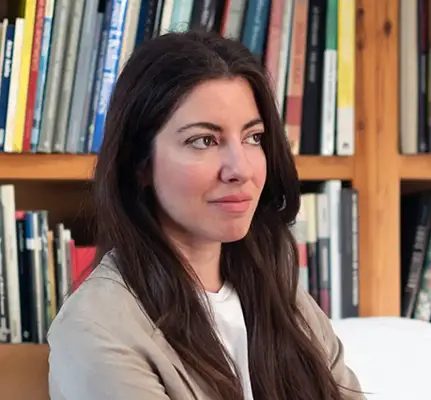
Katerina Daskalaki

My studies at the National Technical University of Athens, both in the Department of Architecture and in the postgraduate programme I subsequently pursued there, were decisive not only for the development of skills relating to architectural design and for cultivating my understanding of issues of architectural space, but above all for the gradual formation of a way of thinking, observing, and engaging with things that continues to accompany me to this day.

The National Technical University of Athens on Patission Street, as an emblematic complex carrying a weighty historical and symbolic memory, stands at the heart of the city and, by extension, at the heart of events. For a young person, at an age when alongside one’s education one is also shaping one’s position in society, this daily contact with the urban fabric, with the movement, intensity, and complexity of Athens — between the Archaeological Museum, Kaningos Square, and Omonia — constituted an ongoing experience of understanding the city, in direct interaction with what was happening inside the lecture halls and studios. It is an environment that cultivates an attitude of alertness and responsibility towards social reality. As a student, one does not grow complacent and does not easily compromise.

The contribution of our professors was particularly crucial and substantial. Through their teaching I managed to build a methodical and systematic approach to organising my work — not simply as a set of technical skills, or still less as a “technocratic” approach to design, but as a way of thinking that safeguards the ethical, social, and aesthetic meaning of architecture, that is, its intellectual content. Within this framework, we approached the spirit of modernism through the teaching of M. Leonardou, A. Papaioannou, S. Tsirakis, and others — as an open way of thinking, designing, and acting, a living and enduring attitude towards the World, rather than a historical style or aesthetic “mannerism.” The School cultivates a way of thinking that is not conservative but deeply contemporary — one that does not yield to the dictates of passing fashion or to superficial trends, but remains firmly oriented towards an ethical direction in architecture and in life more broadly, while following the developments and needs of society at every stage.

I regard this way of working and thinking today as one of my most important assets, especially in an era of widespread confusion of values, purposes, and criteria, and of an evident retreat of our collective consciousness. This legacy accompanies me to this day, as a stable foundation for my work and the practice of architecture, as well as for my way of thinking and approach to life — something that demands constant dedication, consistency, and commitment.
Katerina Daskalaki

My studies at the National Technical University of Athens, both in the Department of Architecture and in the postgraduate programme I subsequently pursued there, were decisive not only for the development of skills relating to architectural design and for cultivating my understanding of issues of architectural space, but above all for the gradual formation of a way of thinking, observing, and engaging with things that continues to accompany me to this day.

The National Technical University of Athens on Patission Street, as an emblematic complex carrying a weighty historical and symbolic memory, stands at the heart of the city and, by extension, at the heart of events. For a young person, at an age when alongside one’s education one is also shaping one’s position in society, this daily contact with the urban fabric, with the movement, intensity, and complexity of Athens — between the Archaeological Museum, Kaningos Square, and Omonia — constituted an ongoing experience of understanding the city, in direct interaction with what was happening inside the lecture halls and studios. It is an environment that cultivates an attitude of alertness and responsibility towards social reality. As a student, one does not grow complacent and does not easily compromise.

The contribution of our professors was particularly crucial and substantial. Through their teaching I managed to build a methodical and systematic approach to organising my work — not simply as a set of technical skills, or still less as a “technocratic” approach to design, but as a way of thinking that safeguards the ethical, social, and aesthetic meaning of architecture, that is, its intellectual content. Within this framework, we approached the spirit of modernism through the teaching of M. Leonardou, A. Papaioannou, S. Tsirakis, and others — as an open way of thinking, designing, and acting, a living and enduring attitude towards the World, rather than a historical style or aesthetic “mannerism.” The School cultivates a way of thinking that is not conservative but deeply contemporary — one that does not yield to the dictates of passing fashion or to superficial trends, but remains firmly oriented towards an ethical direction in architecture and in life more broadly, while following the developments and needs of society at every stage.

I regard this way of working and thinking today as one of my most important assets, especially in an era of widespread confusion of values, purposes, and criteria, and of an evident retreat of our collective consciousness. This legacy accompanies me to this day, as a stable foundation for my work and the practice of architecture, as well as for my way of thinking and approach to life — something that demands constant dedication, consistency, and commitment.

Scroll to Top