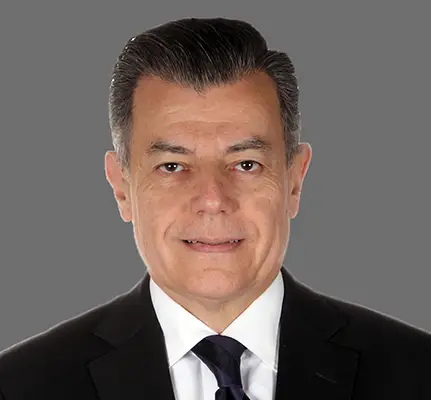
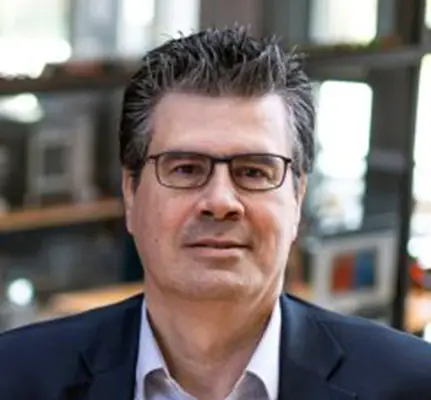
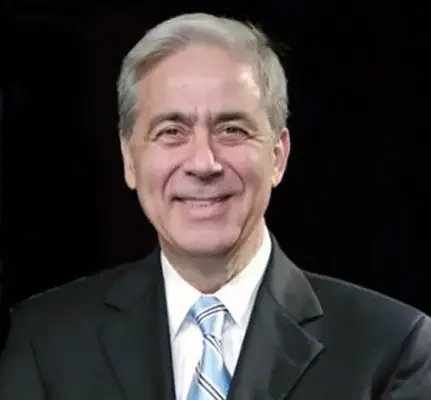
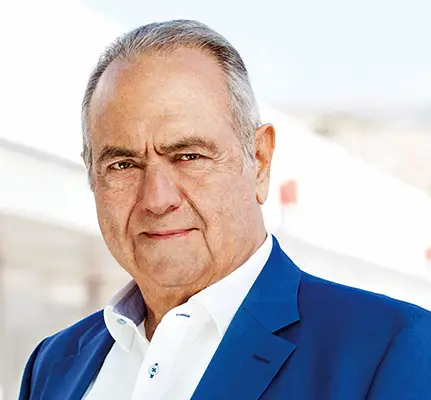
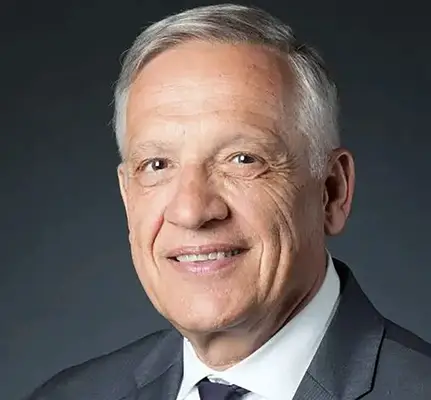
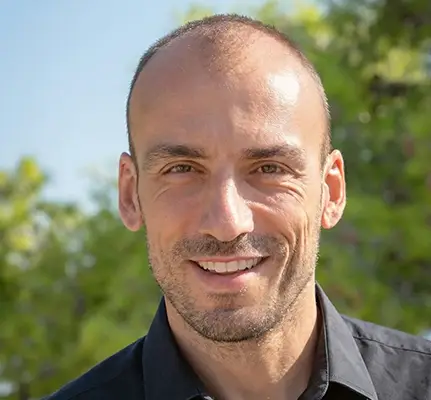
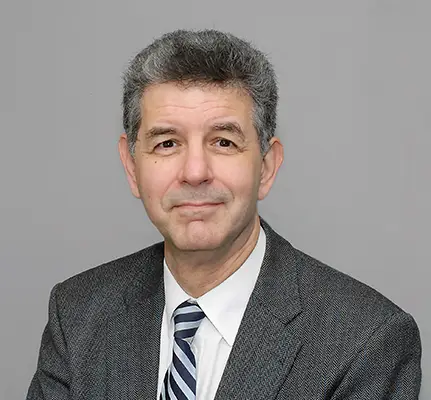
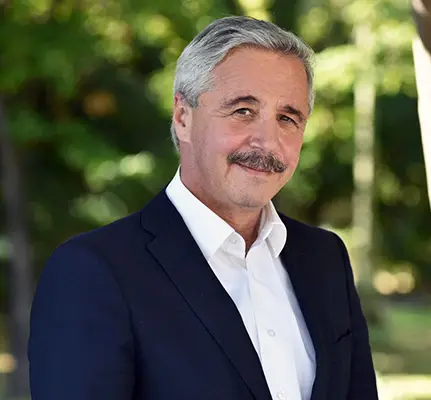
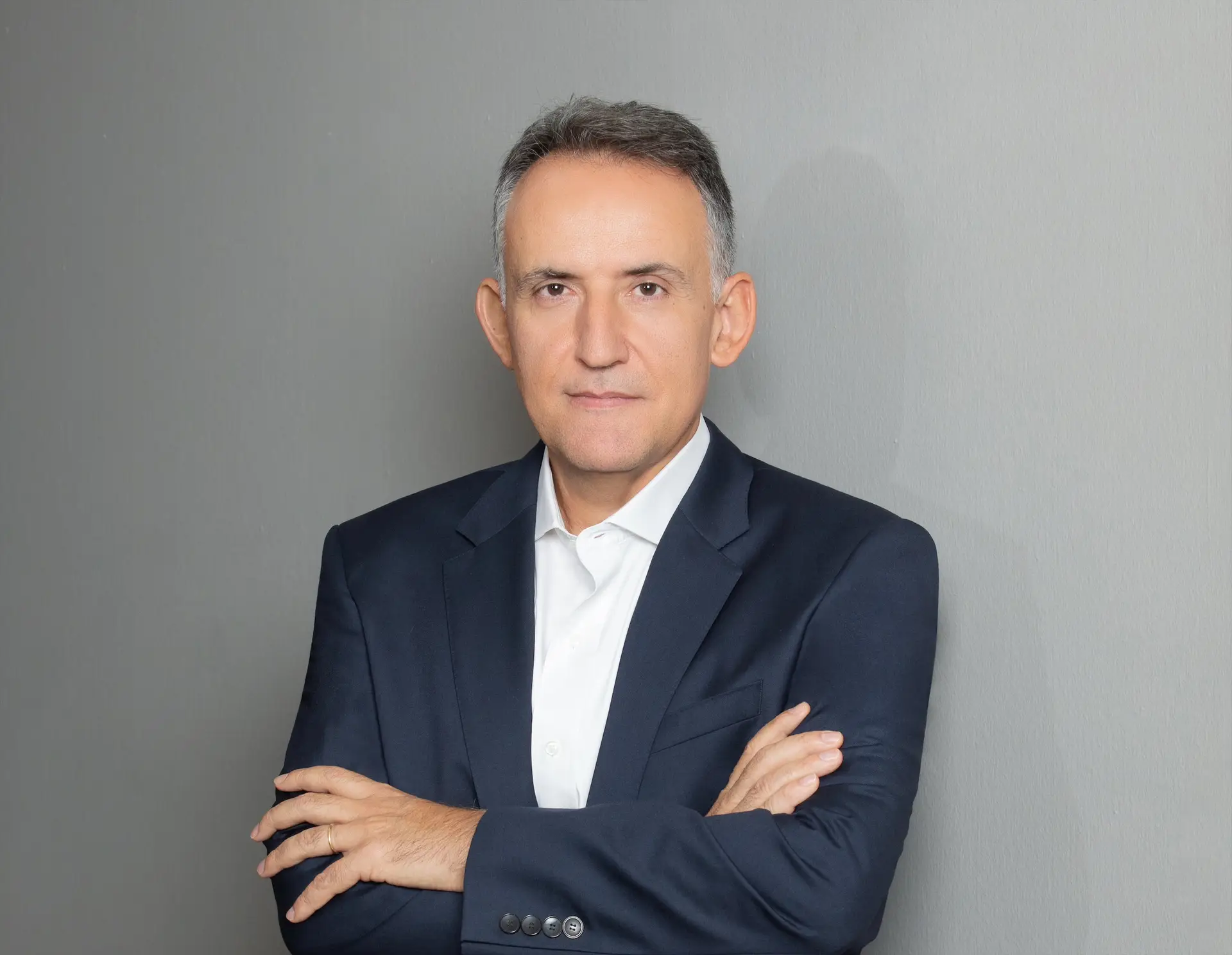
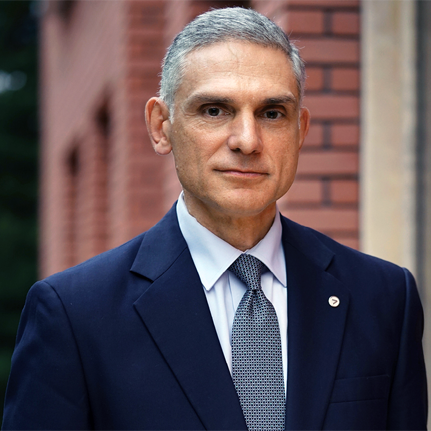
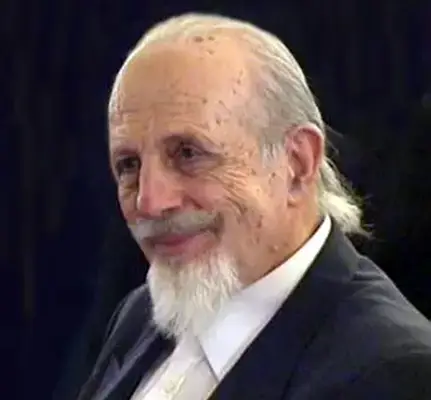
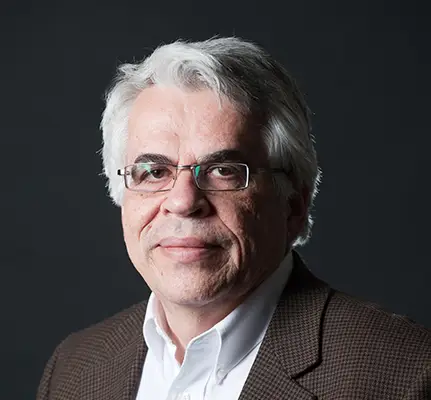
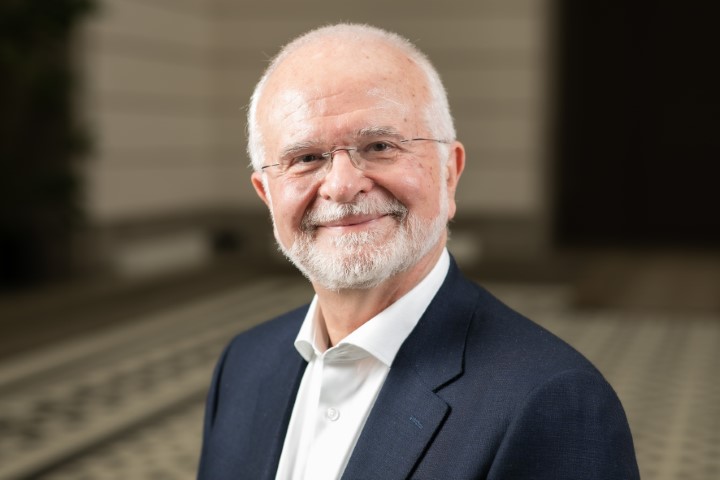
Giorgos Stefanopoulos
- Arthur Dehon Little Professor, Emeritus, Department of Chemical Engineering, MIT
- School of Chemical Engineering
It was noon on a Monday in mid-October 1965 when the buses carrying newspapers from Athens arrived in Kalamata, bearing the results of the university entrance examinations. The entire city had gathered in the square of 23rd March. Among the crowd I saw the smiling face of my father. He came up to me and said: “You did well. Come, let me treat you to an ouzo.” I had entered the School of Chemical Engineering of the National Technical University of Athens in first place. That is how my story with the Polytechnic and the School began — a story that continues to this day and in which I have played many roles: student, professor, academic collaborator and colleague, and now, with deep gratitude, the role of an honoured alumnus.
At the Polytechnic I found what my soul had been seeking during those years: advanced mathematics, physics I could truly understand, logic and philosophy, chemistry laboratory exercises that each time opened up new questions about the things I observed around me. As the years passed, my horizons broadened ever further. The modernising professors who joined the School during that period played an enormous role. It is impossible for a student of the School today to grasp the revolutionary impact of Professor Nikos Koumouttsos’s arrival on its history. The quantification of transport phenomena — which connected physics, mathematics, and the design of chemical engineering systems — was a stunning discovery for impressionable minds like ours at that time. Subsequently, the arrival of Professors Ioannis Maragkozis and Giorgos Saravakos deepened the revolution that Koumouttsos had begun. For me and many of my classmates, these individuals changed the trajectory of our lives and gave us a vision that I and the School’s graduates would pursue with great success over the following fifteen to twenty years.
The final year of studies at the Polytechnic held particular significance, and two activities largely shaped the trajectory of my academic life to this day: (1) my individual diploma thesis, and (2) the group project for the design of a chemical plant. The first taught me the value of simulating chemical engineering systems with computers, and the second taught me the necessity of approaching all design and operational problems in chemical engineering as “systems” problems. My diploma research, conducted under the supervision of Professor Koumouttsos, combined experimental measurements with theoretical predictions from the simulation of combustion of oil droplets. The objective was the design and operation of internal combustion engines to maximise energy efficiency from the combustion of petroleum. The results of this research were published in Technika Chronika. It was my first publication.
This study was supported for the first time by the petroleum company TEXACO, which awarded two scholarships. The second scholarship was given to my classmate Christos Georgakis.
When I later went on to graduate studies in Canada (McMaster University) and the United States (University of Florida), I found that my studies at the Polytechnic had prepared me exceptionally well for everything I encountered. Moreover, the systematic, intensive, and long daily work on courses and laboratories equipped me with the necessary tools to meet the demands of both my academic career at the University of Minnesota (1974–1984, with the top-ranked School of Chemical Engineering at that time) and at the Massachusetts Institute of Technology (1984–present, which took over that leading position from Minnesota in 1985), as well as my seven-year industrial experience as the first non-Japanese Chief Technology Officer, Senior Managing Director, and member of the Board of Directors of the industrial conglomerate Mitsubishi Chemical Group Corporation (2000–2007).
Today, sixty years after my admission to the School of Chemical Engineering at NTUA, I feel particularly fortunate and blessed that I began my life at the Polytechnic. It defined the initial conditions and the dynamic function of the subsequent trajectory of my life.
Alumni
-
Giannis Alavanos
-
Thomas Acheimastos
-
Ioannis Ventikos
-
Emmanouel Gdoutos
-
† Giorgos Gerardos
-
Giannis Giortsos
-
Maria Damanaki
-
Katerina Daskalaki
-
Giorgos Deodatis
-
Vasilis Dimos
-
Eleni Diamanti
-
Thalia Zariphopoulou
-
Dimitris Theodosiou
-
Theodoros N. Theodorou
-
Fokion Karavias
-
Dafni Karaiskaki
-
Spyros Kinnas
-
Efstratios Kechagias
-
Panagiotis Kokkalis
-
Antonis Kounadis
-
Ioannis Koustas
-
Fani Kostourou
-
Giannis Maniatis
-
Anastasios Manos
-
Eirini Eleni Markantanatou
-
Dionysios S. Balodimos
-
Michalis M. Bernitsas
-
Dimitris Bertsimas
-
Dimitrios Papastergiou
-
Giannis Papachristou
-
Errikos Pavlis
-
Asimina Pelegri
-
Giorgos Polychroniou
-
Kyriakos Sabatakakis
-
Kostantza Sbokou-Konstantakopoulou
-
Theodoros Stathopoulos
-
Giorgos Stefanopoulos
-
Anna Stefanopoulou
-
Fotis Sotiropoulos
-
Theodosios Tasios
-
Michalis Triantafyllou
-
Georgios Tsatsaronis
-
Spyros Chatzifotis
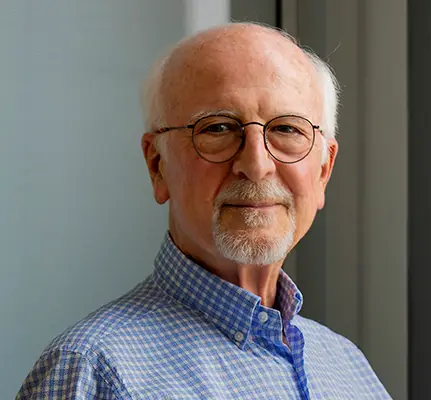
Giorgos Stefanopoulos
- Arthur Dehon Little Professor, Emeritus, Department of Chemical Engineering, MIT
- School of Chemical Engineering
It was noon on a Monday in mid-October 1965 when the buses carrying newspapers from Athens arrived in Kalamata, bearing the results of the university entrance examinations. The entire city had gathered in the square of 23rd March. Among the crowd I saw the smiling face of my father. He came up to me and said: “You did well. Come, let me treat you to an ouzo.” I had entered the School of Chemical Engineering of the National Technical University of Athens in first place. That is how my story with the Polytechnic and the School began — a story that continues to this day and in which I have played many roles: student, professor, academic collaborator and colleague, and now, with deep gratitude, the role of an honoured alumnus.
At the Polytechnic I found what my soul had been seeking during those years: advanced mathematics, physics I could truly understand, logic and philosophy, chemistry laboratory exercises that each time opened up new questions about the things I observed around me. As the years passed, my horizons broadened ever further. The modernising professors who joined the School during that period played an enormous role. It is impossible for a student of the School today to grasp the revolutionary impact of Professor Nikos Koumouttsos’s arrival on its history. The quantification of transport phenomena — which connected physics, mathematics, and the design of chemical engineering systems — was a stunning discovery for impressionable minds like ours at that time. Subsequently, the arrival of Professors Ioannis Maragkozis and Giorgos Saravakos deepened the revolution that Koumouttsos had begun. For me and many of my classmates, these individuals changed the trajectory of our lives and gave us a vision that I and the School’s graduates would pursue with great success over the following fifteen to twenty years.
The final year of studies at the Polytechnic held particular significance, and two activities largely shaped the trajectory of my academic life to this day: (1) my individual diploma thesis, and (2) the group project for the design of a chemical plant. The first taught me the value of simulating chemical engineering systems with computers, and the second taught me the necessity of approaching all design and operational problems in chemical engineering as “systems” problems. My diploma research, conducted under the supervision of Professor Koumouttsos, combined experimental measurements with theoretical predictions from the simulation of combustion of oil droplets. The objective was the design and operation of internal combustion engines to maximise energy efficiency from the combustion of petroleum. The results of this research were published in Technika Chronika. It was my first publication.
This study was supported for the first time by the petroleum company TEXACO, which awarded two scholarships. The second scholarship was given to my classmate Christos Georgakis.
When I later went on to graduate studies in Canada (McMaster University) and the United States (University of Florida), I found that my studies at the Polytechnic had prepared me exceptionally well for everything I encountered. Moreover, the systematic, intensive, and long daily work on courses and laboratories equipped me with the necessary tools to meet the demands of both my academic career at the University of Minnesota (1974–1984, with the top-ranked School of Chemical Engineering at that time) and at the Massachusetts Institute of Technology (1984–present, which took over that leading position from Minnesota in 1985), as well as my seven-year industrial experience as the first non-Japanese Chief Technology Officer, Senior Managing Director, and member of the Board of Directors of the industrial conglomerate Mitsubishi Chemical Group Corporation (2000–2007).
Today, sixty years after my admission to the School of Chemical Engineering at NTUA, I feel particularly fortunate and blessed that I began my life at the Polytechnic. It defined the initial conditions and the dynamic function of the subsequent trajectory of my life.
Giorgos Stefanopoulos
- Arthur Dehon Little Professor, Emeritus, Department of Chemical Engineering, MIT
- School of Chemical Engineering
It was noon on a Monday in mid-October 1965 when the buses carrying newspapers from Athens arrived in Kalamata, bearing the results of the university entrance examinations. The entire city had gathered in the square of 23rd March. Among the crowd I saw the smiling face of my father. He came up to me and said: “You did well. Come, let me treat you to an ouzo.” I had entered the School of Chemical Engineering of the National Technical University of Athens in first place. That is how my story with the Polytechnic and the School began — a story that continues to this day and in which I have played many roles: student, professor, academic collaborator and colleague, and now, with deep gratitude, the role of an honoured alumnus.
At the Polytechnic I found what my soul had been seeking during those years: advanced mathematics, physics I could truly understand, logic and philosophy, chemistry laboratory exercises that each time opened up new questions about the things I observed around me. As the years passed, my horizons broadened ever further. The modernising professors who joined the School during that period played an enormous role. It is impossible for a student of the School today to grasp the revolutionary impact of Professor Nikos Koumouttsos’s arrival on its history. The quantification of transport phenomena — which connected physics, mathematics, and the design of chemical engineering systems — was a stunning discovery for impressionable minds like ours at that time. Subsequently, the arrival of Professors Ioannis Maragkozis and Giorgos Saravakos deepened the revolution that Koumouttsos had begun. For me and many of my classmates, these individuals changed the trajectory of our lives and gave us a vision that I and the School’s graduates would pursue with great success over the following fifteen to twenty years.
The final year of studies at the Polytechnic held particular significance, and two activities largely shaped the trajectory of my academic life to this day: (1) my individual diploma thesis, and (2) the group project for the design of a chemical plant. The first taught me the value of simulating chemical engineering systems with computers, and the second taught me the necessity of approaching all design and operational problems in chemical engineering as “systems” problems. My diploma research, conducted under the supervision of Professor Koumouttsos, combined experimental measurements with theoretical predictions from the simulation of combustion of oil droplets. The objective was the design and operation of internal combustion engines to maximise energy efficiency from the combustion of petroleum. The results of this research were published in Technika Chronika. It was my first publication.
This study was supported for the first time by the petroleum company TEXACO, which awarded two scholarships. The second scholarship was given to my classmate Christos Georgakis.
When I later went on to graduate studies in Canada (McMaster University) and the United States (University of Florida), I found that my studies at the Polytechnic had prepared me exceptionally well for everything I encountered. Moreover, the systematic, intensive, and long daily work on courses and laboratories equipped me with the necessary tools to meet the demands of both my academic career at the University of Minnesota (1974–1984, with the top-ranked School of Chemical Engineering at that time) and at the Massachusetts Institute of Technology (1984–present, which took over that leading position from Minnesota in 1985), as well as my seven-year industrial experience as the first non-Japanese Chief Technology Officer, Senior Managing Director, and member of the Board of Directors of the industrial conglomerate Mitsubishi Chemical Group Corporation (2000–2007).
Today, sixty years after my admission to the School of Chemical Engineering at NTUA, I feel particularly fortunate and blessed that I began my life at the Polytechnic. It defined the initial conditions and the dynamic function of the subsequent trajectory of my life.
Alumni
-
Giannis Alavanos
-
Thomas Acheimastos
-
Ioannis Ventikos
-
Emmanouel Gdoutos
-
† Giorgos Gerardos
-
Giannis Giortsos
-
Maria Damanaki
-
Katerina Daskalaki
-
Giorgos Deodatis
-
Vasilis Dimos
-
Eleni Diamanti
-
Thalia Zariphopoulou
-
Dimitris Theodosiou
-
Theodoros N. Theodorou
-
Fokion Karavias
-
Dafni Karaiskaki
-
Spyros Kinnas
-
Efstratios Kechagias
-
Panagiotis Kokkalis
-
Antonis Kounadis
-
Ioannis Koustas
-
Fani Kostourou
-
Giannis Maniatis
-
Anastasios Manos
-
Eirini Eleni Markantanatou
-
Dionysios S. Balodimos
-
Michalis M. Bernitsas
-
Dimitris Bertsimas
-
Dimitrios Papastergiou
-
Giannis Papachristou
-
Errikos Pavlis
-
Asimina Pelegri
-
Giorgos Polychroniou
-
Kyriakos Sabatakakis
-
Kostantza Sbokou-Konstantakopoulou
-
Theodoros Stathopoulos
-
Giorgos Stefanopoulos
-
Anna Stefanopoulou
-
Fotis Sotiropoulos
-
Theodosios Tasios
-
Michalis Triantafyllou
-
Georgios Tsatsaronis
-
Spyros Chatzifotis